
 October 23, 2026
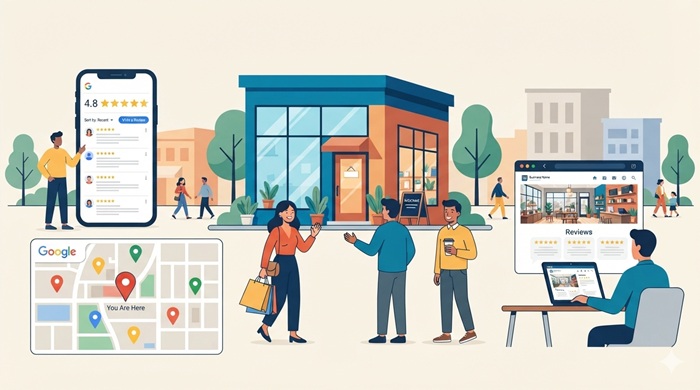
Local search helps businesses connect with nearby customers who are actively looking for their products or services. However, even a well-designed website can struggle to attract local traffic when its business information is inaccurate, its content lacks relevance, or its Google Business Profile is poorly maintained. Understanding the most common local SEO mistakes is essential for improving search visibility, building trust, and generating more qualified leads.
Whether you operate a small business, a service-based company, or a multi-location brand, a consistent local search strategy can help you compete more effectively. The good news is that many ranking obstacles can be addressed through practical improvements rather than expensive marketing campaigns.
Key Takeaways
- Keep business information accurate and consistent across online directories.
- Optimize your Google Business Profile, website content, and location pages.
- Build genuine customer reviews and strengthen your website’s credibility.
- Track performance regularly and fix technical issues before they affect leads.
1. Neglecting Your Google Business Profile
One of the most significant local SEO mistakes is treating your Google Business Profile as a one-time setup task. Your profile helps Google understand your business and gives potential customers essential information, including your address, opening hours, phone number, services, and website.
An incomplete or outdated profile can create confusion and discourage customers from contacting you.
How to Fix It
Complete every relevant profile field and choose the most accurate primary business category. Add secondary categories when they genuinely describe your services, upload recent photos, update operating hours, and keep your contact details current.
Review your profile periodically, especially after changing your location, expanding your services, or adjusting business hours. Accurate information makes it easier for customers to decide whether your business meets their needs.
2. Using Inconsistent Business Information
Your business name, address, and phone number should remain consistent across your website, Google Business Profile, and relevant online directories. Conflicting details can confuse potential customers and make it harder for search engines to connect information about your business.
For example, using different phone numbers or outdated addresses on multiple platforms can result in missed calls, incorrect directions, and reduced customer confidence.
How to Fix It
Create a master record containing your official business name, address, phone number, website URL, and business hours. Use this information when updating directories and business listings.
Audit important platforms such as industry directories, local business associations, and reputable listing websites. Correct outdated entries and remove duplicate listings when appropriate. Prioritize accuracy and relevance instead of submitting your information to every directory available.
3. Ignoring Local Keyword Research
Another common problem is creating website content without understanding the phrases local customers actually use. Broad keywords may attract visitors from outside your service area, while overly generic service descriptions can make your business less relevant to location-specific searches.
Effective keyword research connects your services, geographic area, and customer intent without making the content sound unnatural.
How to Fix It
Identify the main services your business offers and the locations it genuinely serves. Research relevant search phrases using Google Search suggestions, Search Console data, and keyword research tools.
Use these insights to improve page titles, headings, service descriptions, and location pages. For practical guidance, read this resource on how to add keywords to your google business profile.
Avoid repeating the same phrase excessively or adding unrelated city names to your content. Helpful, specific information is more valuable than keyword repetition.
4. Publishing Thin or Duplicate Location Pages
Businesses that serve multiple cities sometimes create several location pages by changing only the city name. These pages offer little additional value and can create a poor experience for visitors.
This is one of the local SEO mistakes that can undermine a website’s long-term performance, particularly when several pages compete for similar search queries.
How to Fix It
Give each location page a clear purpose and meaningful local information. Explain which services are available in that area, how customers can contact the business, and what makes the service relevant to local needs.
Include original descriptions, accurate service-area information, relevant project examples, and useful answers to location-specific questions. Avoid inventing office addresses or implying that your company operates physical branches where none exist.
A smaller collection of genuinely useful pages is often preferable to dozens of repetitive pages with little practical value.
5. Overlooking Customer Reviews and Reputation Management
Customer feedback influences purchasing decisions and helps people assess a business before making contact. A lack of recent reviews, unanswered complaints, or suspicious review activity can weaken trust even when your business offers excellent service.
Reviews are also an important part of understanding customer satisfaction and identifying opportunities to improve your operations.
How to Fix It
Develop a consistent process for inviting genuine customers to leave honest feedback. Make it easy for customers to find your review link, and respond professionally to both positive and negative comments.
Never purchase fake reviews, offer prohibited incentives, or pressure customers to leave only positive feedback. These practices can violate platform policies and damage your reputation.
For more guidance, explore how local seo reviews can support customer trust and local visibility.
6. Neglecting Mobile Website Performance
Many local searches happen on mobile devices, where visitors often want quick answers, directions, service details, or a phone number. A slow, difficult-to-navigate website can cause potential customers to leave before taking action.
Poor mobile usability may also affect engagement and reduce the effectiveness of your marketing efforts.
How to Fix It
Test your website on different screen sizes and devices. Check loading performance, navigation, text readability, image sizing, and the placement of contact buttons.
Compress oversized images, remove unnecessary scripts, use reliable hosting, and address performance issues identified by Google PageSpeed Insights.
Make essential actions easy to complete. Visitors should be able to call your business, submit an inquiry, or find service information without navigating through multiple unnecessary steps.
7. Forgetting On-Page SEO Essentials
A website can contain useful information yet struggle to communicate its relevance when important page elements are missing or poorly written. Generic title tags, vague headings, missing meta descriptions, and unclear service pages can limit search visibility and reduce click-through appeal.
How to Fix It
Give every important page a descriptive title, a clear main heading, and a concise meta description that accurately represents its content. Include relevant service and location information where appropriate.
Organize pages using a logical heading hierarchy, add descriptive image alt text, and link related pages together when doing so helps visitors.
For additional guidance on building a stronger local search strategy, read this google business profile local SEO blueprint.
8. Using Weak Local Content and Ignoring E-E-A-T
Publishing generic blog posts without addressing real customer questions is another avoidable problem. Content that lacks original insights, practical examples, or evidence of expertise may fail to differentiate your business from competitors.
Google’s quality guidance emphasizes experience, expertise, authoritativeness, and trustworthiness, commonly abbreviated as E-E-A-T. This concept is particularly relevant when customers need reliable information before choosing a service provider.
How to Fix It
Create content that answers genuine questions about your services, pricing considerations, processes, and service areas. Include real project examples, original photographs, accurate author information, and verifiable business credentials when relevant.
Keep important claims factual and update outdated information. Learn more about E-E-A-T and its role in producing trustworthy content.
9. Neglecting Local Links and Community Relationships
A website’s authority can benefit from relevant links earned through legitimate relationships and useful contributions. Businesses that overlook local partnerships may miss opportunities to improve their visibility and introduce their services to new audiences.
However, buying links or participating in manipulative link schemes can create unnecessary risks.
How to Fix It
Build relationships with reputable local organizations, professional associations, suppliers, community groups, and complementary businesses. Participate in relevant events, sponsor appropriate community initiatives, or contribute useful expertise to local publications.
Prioritize relationships that provide genuine value to your audience. A relevant mention from a trusted local organization can be more meaningful than a large number of unrelated backlinks.
10. Ignoring Technical SEO and Structured Data
Technical problems can prevent search engines from accessing important pages or understanding how a website is organized. Broken links, accidental noindex directives, incorrect canonical tags, and poor XML sitemap management can interfere with crawling and indexing.
Structured data can also help search engines interpret eligible information about your business, although adding it does not guarantee enhanced search results.
How to Fix It
Check Google Search Console for indexing issues, crawl errors, and unexpected changes in search performance. Make sure important pages are accessible, internally linked, and included in your XML sitemap when appropriate.
Implement relevant structured data, such as LocalBusiness or a suitable subtype, using accurate information that matches the visible page content. Validate the markup with Google’s Rich Results Test where supported and use Schema.org documentation for broader vocabulary validation.
Avoid marking up information that is hidden, misleading, or unrelated to the page.
11. Failing to Track Results and Update Your Strategy
Publishing content and updating listings without measuring performance makes it difficult to identify what works. Rankings alone also provide an incomplete picture because a business needs qualified visitors, calls, inquiries, and conversions to generate meaningful results.
A strategy that performed well several months ago may need adjustments as competitors, customer behavior, and search results change.
How to Fix It
Use Google Search Console to monitor search impressions, clicks, queries, and indexing. Use Google Analytics or another suitable analytics platform to understand website engagement and conversions.
Review Google Business Profile performance data where available, alongside actual calls, form submissions, and booked appointments. Compare results over time rather than reacting to every short-term ranking fluctuation.
Prioritize improvements based on business impact. Fix inaccurate information and broken pages first, then address content gaps, technical issues, and opportunities for better conversion rates.
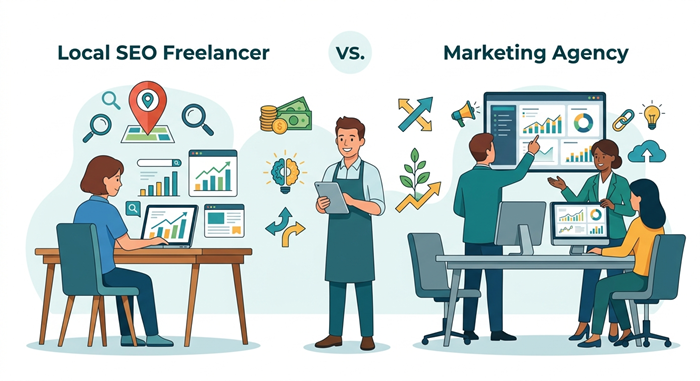
12. Choosing the Wrong SEO Support or Package
Some businesses expect immediate results from a low-cost service that promises guaranteed rankings. Others invest in broad marketing activities without receiving clear deliverables, transparent reporting, or a strategy tailored to their market.
These decisions can waste budget and delay meaningful progress.
How to Fix It
Evaluate potential providers based on their process, experience, reporting standards, and understanding of your industry. A trustworthy local SEO agency should explain its recommendations, set realistic expectations, and avoid guarantees of specific rankings.
When comparing local SEO services near me, examine the actual work included, such as profile optimization, content improvements, citation management, technical audits, and performance reporting.
Review local SEO packages carefully to understand whether they fit your business goals, competition, location coverage, and budget. The most suitable option is one that prioritizes measurable improvements rather than impressive promises.
Ducky Unlimited is a digital marketing agency that offers affordable digital solutions for businesses seeking to strengthen their online presence. Our services can help businesses explore practical website design and digital marketing support while working within a defined budget. For businesses looking for a website-focused solution, unlimited web design is a useful starting point for exploring its offerings.
How to Prioritize Your Local SEO Improvements
Correcting every issue at once can be overwhelming, particularly for small businesses with limited time and resources. A phased approach makes the work more manageable.
Start with accurate business information, a complete Google Business Profile, and a mobile-friendly website. Next, improve important service pages, encourage genuine reviews, and resolve technical problems.
Once the essentials are in place, expand your content strategy, build relevant local relationships, and review performance data regularly. Consistent improvements are more sustainable than repeatedly making major changes without measuring their impact.
Conclusion
Avoiding preventable local SEO mistakes helps businesses build a stronger foundation for local visibility, customer trust, and lead generation. Accurate business information, useful website content, genuine reviews, sound technical practices, and consistent performance tracking all contribute to a more effective strategy.
Focus on the improvements that matter most to your customers, measure the results, and refine your approach as your business grows. Sustainable progress comes from providing reliable information and a helpful experience, not from chasing quick ranking shortcuts.
Frequently Asked Questions
1. What are the most common local SEO mistakes?
The most common problems include inaccurate business listings, incomplete Google Business Profiles, weak location pages, poor mobile usability, and inconsistent review management.
2. How long does local SEO take to show results?
Results vary by competition, website condition, location, and the work completed. Some improvements may appear within weeks, while more competitive markets can require several months.
3. Does a Google Business Profile help local rankings?
A well-maintained profile helps Google understand your business and provides useful information to customers. Local results are influenced by relevance, distance, and prominence.
4. How often should a business review its local SEO strategy?
Check key performance indicators monthly and conduct a more comprehensive audit every three to six months, or after significant business changes.
5. Can a small business improve local SEO without an agency?
Yes. Businesses can start by maintaining accurate listings, improving website content, collecting genuine reviews, and monitoring performance. Professional support may help with more complex technical or competitive challenges.