
 December 10, 2024
Local SEO has become a must for businesses that want to attract local customers. Whether you run a cozy neighborhood restaurant or offer specialized services in your community, local SEO is key to increasing your visibility and driving foot traffic. This ultimate guide will walk you through everything you need to know about optimizing your online presence for local search success.
What is Local SEO and Why is it Important?
Local SEO is a strategy that helps businesses appear in search results when users search for products or services near their location. For restaurants and service-based business, appearing in local search results can make all the difference between being discovered or going unnoticed. According to research, a significant portion of online searches has local intent—meaning people are searching for businesses close to them.
For example, if someone searches for “best Italian restaurant near me” or “plumber in [your city],” your business can show up in their search results, leading to increased visits or bookings. The goal of local SEO is to ensure your business is easy to find when potential customers are searching for what you offer locally.
For more insight into the benefits of local SEO, take a look at this article on the benefits of local SEO.
Key Elements of Local SEO for Restaurants and Service Business
Google My Business Optimization
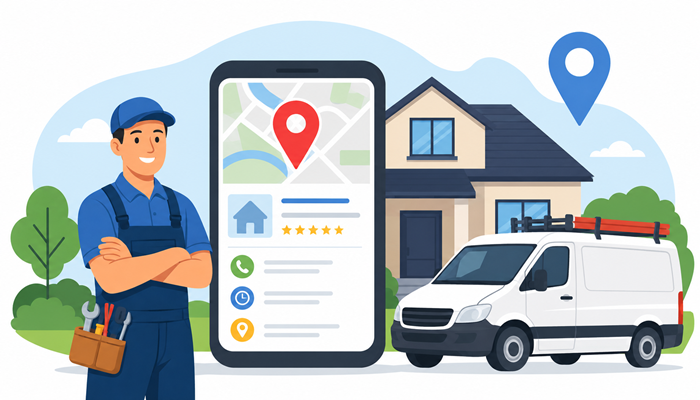
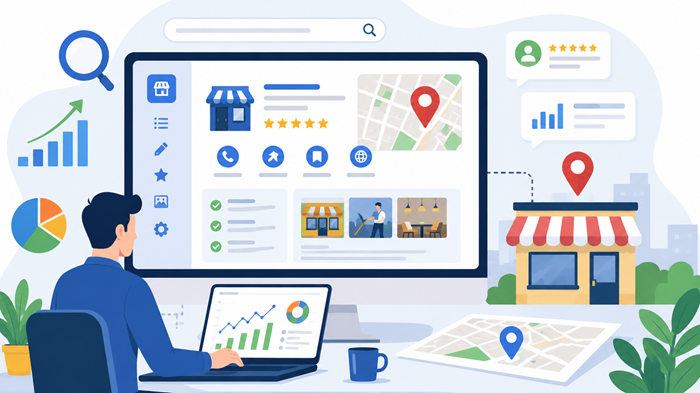
The first and most critical step for local SEO is setting up and optimizing your Google My Business (GMB) profile. This free tool allows businesses to manage their online presence on Google, including search results and Google Maps. With a fully optimized GMB listing, your business is more likely to show up in local searches.
Here’s what you should include in your Google My Business profile:
- Accurate Business Information: Ensure your business name, address, and phone number (NAP) are correct.
- Business Categories: Select the most relevant category for your business (e.g., “Italian Restaurant” or “Plumbing Services”).
- Photos: Upload high-quality images of your business, products, or services to make your listing more engaging.
- Hours of Operation: Make sure your business hours are up to date, especially during holidays or special events.
- Customer Reviews: Encourage satisfied customers to leave reviews. Responding to these reviews can also boost your SEO ranking.
For additional tips on optimizing your Google My Business profile, check out this blog post on local SEO for restaurants.
Local Keyword Optimization
Optimizing your website with local keywords is a vital part of local SEO. Think about what phrases potential customers would type into Google when looking for a business like yours. Include location-specific terms (city name, neighborhood, etc.) throughout your website, in your meta descriptions, and in blog content.
For example, if you’re a restaurant in San Francisco, you should optimize for terms like “best seafood restaurant in San Francisco” or “family-friendly restaurants in San Francisco.”
Mobile Optimization for Local SEO
Most local searches happen on mobile devices, so it’s essential that your website is mobile-friendly. A responsive design that adapts to all screen sizes will enhance the user experience and keep visitors on your site longer. Google takes mobile-friendliness into account when ranking websites, so this can have a direct impact on your search visibility.
Leverage Social Media for Local SEO
Social media plays a crucial role in local SEO. It’s not only a platform to engage with customers but also a way to enhance your online presence. Regularly posting on platforms like Facebook, Instagram, and Twitter with location tags can increase your local visibility.
In fact, social media is an excellent tool for building your local reputation and getting your business name out there. Posts with geotags can also appear in local searches, giving you more opportunities to be discovered.
For more tips on how social media can impact your local SEO results, read how to leverage social media for better local SEO.
Online Reviews and Reputation Management
Customer reviews are one of the most powerful signals Google uses to determine your local ranking. Positive reviews on Google, Yelp, or other review sites help build trust with potential customers. Plus, they send signals to search engines that your business is reputable and worthy of appearing in search results.
Make sure to respond to all reviews—both positive and negative. Showing that you care about your customers’ feedback can boost your credibility and influence potential customers’ decisions.
Create Localized Content
Content creation is another excellent way to boost your local SEO. Write blog posts or create pages about local events, news, or topics that are relevant to your business. For example, a restaurant could write a post about the best seasonal dishes in the area or a service business could write about local home improvement trends.
By creating relevant content that resonates with your local audience, you’ll not only build trust but also improve your chances of ranking for local search queries.
Common Local SEO Mistakes to Avoid
- Inconsistent NAP Information: Ensure that your business name, address, and phone number are consistent across all platforms—your website, Google My Business, Yelp, etc.
- Ignoring Online Reviews: Don’t neglect your reviews. Respond to them and use them as an opportunity to improve your service.
- Not Mobile-Friendly: With mobile search increasing, a non-mobile-optimized website can hurt your ranking.
- Overlooking Local Link Building: Having links from local businesses or local news sources can improve your local SEO.
For a deeper dive into how to avoid common mistakes and effectively manage your local SEO, check out Is Local SEO Dead?.
The Ongoing Importance of Local SEO
Local SEO is not a one-time fix—it requires consistent effort. As customer expectations and search algorithms evolve, your local SEO strategy must adapt. Be sure to monitor your rankings regularly and tweak your approach based on your findings.
If you’re unsure where to start or need a detailed strategy for your restaurants or service business local SEO, check out our full local SEO guide to understand the full process and how it applies specifically to your business.
Conclusion
For restaurants and service business, local SEO is an invaluable tool that drives traffic and boosts sales. By optimizing your Google My Business profile, using localized keywords, leveraging social media, and engaging with your customers, you’ll be well on your way to improving your online presence and attracting more local customers. Remember, local SEO is a continuous process that requires attention and effort, but the results are well worth it.