
 October 30, 2026
Search engine optimization (SEO) helps businesses improve their online visibility, attract relevant visitors, and generate more opportunities. However, not every business has the same search marketing goals. A company serving customers in a specific city needs a different approach from a brand targeting customers across multiple countries. This is where understanding local SEO vs. general SEO becomes important.
Although both approaches focus on improving search engine rankings, they differ in their target audience, ranking priorities, optimization techniques, and business objectives. Understanding these differences helps businesses choose the right strategy and reach people who are more likely to become customers.
Businesses looking to improve their visibility in specific geographical areas often invest in local seo services to attract nearby customers, generate qualified leads, and build a stronger online presence.
Key Takeaways
- Local SEO targets customers searching for products and services in specific geographical areas.
- General SEO focuses on improving website visibility across broader locations and audiences.
- Google considers relevance, distance, and prominence when determining local search rankings.
- Combining both strategies can help businesses increase visibility and generate more qualified leads.
What Is Local SEO?
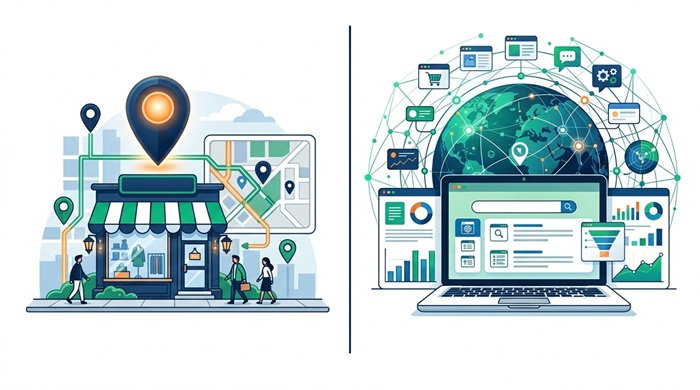
Local SEO is the process of optimizing a business’s online presence to attract customers from specific geographical locations. It helps businesses appear in location-based search results, Google Maps, and relevant local searches.
For example, someone searching for a dentist in Miami is more likely to see nearby dental clinics than businesses located in another state. Local optimization helps search engines understand where a business operates and which customers it serves.
The main objective of local SEO vs. general SEO is to connect businesses with people who have a geographical reason to choose a particular service provider.
Important local optimization activities include:
- Creating and optimizing a Google Business Profile.
- Maintaining consistent business name, address, and phone number information.
- Targeting location-specific search terms.
- Building relevant local backlinks and citations.
- Collecting and responding to customer reviews.
- Creating useful location-based website content.
Google explains that local search rankings primarily depend on relevance, distance, and prominence. Businesses can improve their chances of appearing in relevant searches by maintaining accurate business information and building a trustworthy online presence.
Source: Google Business Profile – Tips to improve your local ranking.
What Is General SEO?
General SEO refers to optimizing a website to improve its visibility in organic search results without necessarily focusing on a particular geographical area.
It helps businesses attract visitors searching for information, products, or services across different cities, regions, or countries.
For example, an e-commerce store selling fitness equipment throughout India may focus on ranking for searches such as “best home workout equipment” rather than targeting one specific city.
General SEO usually involves:
- Keyword research and search intent analysis.
- On-page optimization and content development.
- Technical SEO improvements.
- Website speed and mobile usability.
- Quality backlink acquisition.
- Content authority and topical relevance.
- Organic performance monitoring.
Unlike location-focused optimization, this approach places greater emphasis on website-wide relevance, content quality, technical performance, and authority.
The discussion around local SEO vs. general SEO is therefore not about choosing between two unrelated marketing activities. Both share fundamental SEO principles but apply them to different audiences and search intentions.
Local SEO vs. General SEO: 7 Major Differences
Understanding the practical differences makes it easier to select the right optimization strategy for your business.
1. Target Audience and Geographical Reach
The first major difference in local SEO vs. general SEO is the audience each strategy targets.
Local optimization focuses on people searching for businesses within a specific geographical area. These users often have an immediate requirement and prefer nearby service providers.
General SEO targets a broader audience without geographical restrictions. Visitors may come from different cities, states, or countries.
For instance, a plumbing company may target customers in Miami, while a software company may attract clients from across India and international markets.
Key difference: Local SEO attracts geographically relevant customers, whereas general SEO reaches a wider audience.
2. Keyword Research and Search Intent
Keyword selection plays an important role in both strategies, but the search terms often reflect different user intentions.
Local searches commonly include geographical modifiers such as city names, neighbourhoods, and phrases indicating nearby services.
Examples include:
- Best restaurant in Miami.
- Dentist near Chicago.
- Digital marketing company in Florida.
Search phrases such as local seo services near me demonstrate strong location-based intent because business owners are actively looking for SEO providers who can help improve their visibility in a specific geographical area. Targeting these searches with relevant service pages and useful content can help SEO agencies connect with potential clients.
General SEO focuses on broader informational, commercial, and transactional keywords.
Examples include:
- How does website design work?
- Best project management software.
- Benefits of digital marketing.
The difference in local SEO vs. general SEO keyword research comes down to understanding what users want and whether their search has a geographical requirement.
3. Google Business Profile Optimization
A Google Business Profile is an important component of local visibility. It allows eligible businesses to display essential information, including their address, phone number, business hours, photos, and customer reviews.
An accurately maintained profile can help businesses appear in Google Maps and local search results.
General SEO does not depend on a Google Business Profile in the same way. Websites targeting wider audiences primarily rely on organic search optimization, relevant content, and website authority.
For local businesses, maintaining accurate information and responding to customers can strengthen their online presence.
4. Backlinks and Local Citations
Both approaches use backlinks to establish website authority, but their link-building priorities can differ.
Local optimization benefits from relevant regional websites, local business directories, community publications, and partnerships with nearby organizations.
General SEO typically focuses on acquiring relevant backlinks from authoritative websites within the business’s industry.
For example, a local restaurant may benefit from being mentioned by a city-based food blogger. A national food brand may prioritize coverage from established food publications.
In the context of local SEO vs. general SEO, link relevance matters more than simply collecting a large number of backlinks.
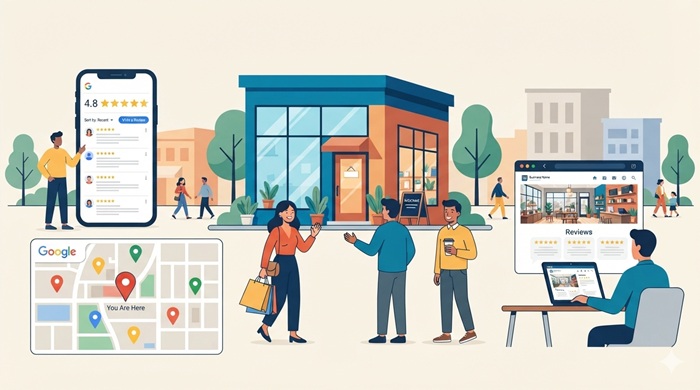
5. Customer Reviews and Online Reputation
Customer reviews influence how people evaluate businesses before making purchasing decisions.
For local businesses, reviews on Google and other relevant platforms provide valuable social proof. Detailed, genuine feedback can help potential customers understand service quality and customer experience.
Businesses should encourage honest feedback, respond professionally, and address complaints constructively.
Learn how local SEO reviews contribute to business credibility and strengthen a location-based online presence.
General SEO also benefits from brand reputation, although customer reviews may play a different role depending on the industry and search intent.
6. Content Strategy and Website Optimization
Content strategy is another important distinction.
Local websites benefit from useful location-specific pages, service descriptions, local guides, and content addressing regional customer needs.
For example, a home renovation company serving multiple cities can create dedicated service pages explaining its offerings in each service area.
General SEO focuses more broadly on educational articles, product comparisons, industry guides, and other resources that answer audience questions.
Regardless of the strategy, content should demonstrate genuine expertise and provide useful information. Google’s guidance on helpful, reliable, people-first content emphasizes creating content for readers rather than publishing material solely to manipulate rankings.
Businesses should also understand e-e-a-t principles to communicate experience, expertise, authority, and trustworthiness through their content.
7. Performance Measurement and Business Goals
The final difference in local SEO vs. general SEO is how performance is measured.
Local campaigns often focus on:
- Google Business Profile visibility.
- Local keyword rankings.
- Calls and website visits.
- Direction requests.
- Customer inquiries.
- Reviews and reputation.
General SEO commonly tracks:
- Organic website traffic.
- Keyword rankings.
- Search impressions and clicks.
- Backlink growth.
- Content performance.
- Organic leads and conversions.
Both strategies should ultimately contribute to meaningful business outcomes rather than rankings alone.
Businesses can better understand the roi of seo for business by connecting organic performance with leads, conversions, and revenue.
Which SEO Strategy Is Better for Your Business?
Choosing between local SEO vs. general SEO depends on your business model, target audience, and service area.
When Local SEO Is the Right Choice
Local optimization is particularly useful for businesses that depend on customers from specific geographical locations.
Examples include:
- Restaurants and cafes.
- Dental clinics and healthcare practices.
- Plumbers and electricians.
- Real estate agencies.
- Salons and fitness centres.
- Local retail stores.
A focused local strategy can help these businesses reach customers who are actively looking for nearby solutions. Working with an experienced local seo agency can help businesses develop a targeted optimization strategy based on their location, competition, audience, and long-term marketing objectives.
When General SEO Is More Suitable
General SEO is more appropriate for businesses targeting larger audiences without depending on physical proximity.
Examples include:
- E-commerce businesses.
- SaaS companies.
- Online education platforms.
- National service providers.
- Publishers and content websites.
These businesses can attract visitors from different geographical areas through relevant content and website optimization.
Can Businesses Use Both Strategies?
Absolutely. Many businesses benefit from combining local SEO vs. general SEO rather than relying on just one approach.
For example, a digital marketing company may target local customers through location-specific service pages while publishing educational articles to attract visitors nationwide.
This combined approach creates opportunities to generate local inquiries while building broader organic visibility.
Essential Local SEO Tools and Techniques
Implementing an effective strategy requires consistent monitoring and optimization.
Several useful resources can simplify the process:
- Google Business Profile: Manage business information, customer interactions, and local visibility.
- Google Search Console: Monitor search impressions, clicks, indexing, and website performance.
- Google Analytics 4: Understand website traffic and visitor behaviour.
- Google Keyword Planner: Discover relevant search terms and keyword opportunities.
- SEO platforms: Research competitors, backlinks, and keyword performance.
Selecting the right local seo tools depends on business requirements, available resources, and campaign objectives.
Businesses should also regularly review their website information, monitor search performance, and update content based on changing customer needs.
How Ducky Unlimited Helps Businesses Improve Online Visibility
Choosing the right digital marketing strategy is important, but implementing it consistently is what creates meaningful results.
Ducky Unlimited provides digital marketing services with cost-effective strategies designed to help businesses strengthen their online presence, reach relevant audiences, and generate valuable opportunities.
Whether a company needs location-focused optimization, website improvements, content development, or broader organic growth, the right combination of digital marketing activities can support its business objectives.
For businesses looking for professional unlimited web design, having a well-structured, responsive, and user-friendly website also creates a strong foundation for search visibility and customer engagement.
The focus should always remain on practical strategies that align with business goals rather than spending money on activities that deliver little measurable value.
Common Mistakes to Avoid When Choosing an SEO Strategy
Even a well-planned campaign can struggle when important optimization practices are overlooked.
Some common mistakes include:
- Ignoring search intent: Targeting keywords without understanding what potential customers actually want.
- Neglecting business information: Keeping outdated contact details, business hours, or location information.
- Publishing low-quality content: Creating repetitive pages without providing useful information.
- Ignoring customer feedback: Failing to respond to reviews or address customer concerns.
- Expecting immediate results: SEO requires consistent effort, monitoring, and improvements over time.
Businesses should prioritize avoiding local seo mistakes to build a stronger foundation for sustainable search performance.
Frequently Asked Questions
1. What is the main difference between local SEO and general SEO?
Local SEO targets customers in specific geographical areas, while general SEO focuses on improving organic visibility across broader audiences.
2. Is local SEO important for small businesses?
Yes. It helps smaller businesses connect with nearby customers, improve local visibility, and generate relevant inquiries.
3. Does local SEO require a Google Business Profile?
A Google Business Profile is an important tool for eligible local businesses, helping them manage their information and appear in relevant local results.
4. Can a business use both local SEO and general SEO?
Yes. Combining both approaches helps businesses attract nearby customers while building visibility across broader markets.
5. How long does local SEO take to show results?
Results vary depending on competition, location, website condition, and optimization efforts; meaningful improvements generally require consistent work over several months.
Final Thoughts
Understanding local SEO vs. general SEO helps businesses make better decisions about their digital marketing investments. Although both strategies aim to improve search visibility, they serve different audiences and business objectives.
Local optimization is valuable for businesses targeting customers in specific areas, while broader SEO helps brands reach wider audiences through relevant content and website improvements.
The most effective approach depends on your customers, services, and growth plans. By focusing on relevant keywords, useful content, website performance, and customer trust, businesses can build a sustainable online presence and generate better opportunities over time.