
 July 1, 2026
Learning to code has never been more valuable. Whether you’re building a startup, launching a mobile app, creating websites, or automating everyday tasks, choosing the right programming language can shape your career and project success. This guide explores top programming languages that continue to dominate the industry while helping beginners and experienced developers understand where each language fits in today’s technology landscape.
Why Choosing the Right Programming Language Matters
Every programming language is designed with different goals in mind. Some prioritize speed and performance, while others focus on readability, rapid development, or scalability.
Your ideal choice depends on factors such as:
- Career goals
- Type of application
- Community support
- Learning curve
- Long-term industry demand
Instead of chasing trends, it’s better to understand where each language performs best.
What Makes a Programming Language Popular?
Popularity isn’t determined by hype alone. Developers and businesses often evaluate languages based on several practical factors.
Industry Adoption
Languages used by major technology companies naturally attract larger communities and more job opportunities.
Community Support
A strong developer community means better documentation, open-source libraries, tutorials, and faster troubleshooting.
Versatility
Languages that work across multiple industries—from web development to artificial intelligence—tend to remain relevant for years.
Understanding these factors helps explain why certain languages continue leading global developer rankings.
The Languages That Continue to Lead the Industry
Python
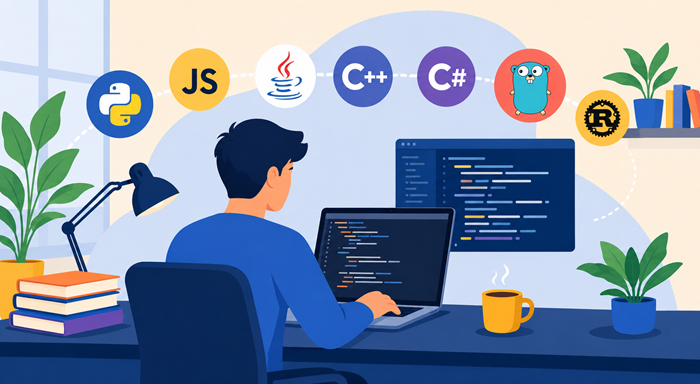
Known for its clean syntax and beginner-friendly design, python has become the preferred language for machine learning, automation, web applications, scientific computing, and data analysis. Its massive ecosystem allows developers to build sophisticated applications quickly without sacrificing flexibility.
JavaScript
JavaScript remains essential for interactive websites and modern web applications. Combined with powerful frameworks, it enables developers to create responsive user experiences across desktop and mobile browsers.
Businesses looking to build polished user interfaces often benefit from working with an experienced front-end developer who understands performance, accessibility, and modern frameworks.
Java
For decades, java has powered enterprise software, Android applications, financial systems, and large-scale business platforms. Its reliability and mature ecosystem continue to make it a trusted option for organizations worldwide.
C++
When performance matters, c++ remains one of the strongest choices. Game engines, embedded systems, operating systems, and performance-critical applications rely heavily on its efficiency and low-level hardware control.
Developers typically use a c++ compiler to transform source code into optimized machine code capable of delivering exceptional execution speed.
C#
Microsoft’s C# continues to excel in desktop applications, enterprise software, cloud services, and game development through Unity. It offers excellent productivity while maintaining strong performance.
Go
Go has gained popularity for cloud-native applications, APIs, distributed systems, and backend infrastructure. Its simplicity and built-in concurrency make it attractive for modern server development.
Organizations scaling web applications often appreciate the benefits of a backend developer who can build secure, maintainable, and high-performing systems using modern technologies.
Rust
Rust has earned attention because it combines high performance with exceptional memory safety. Developers increasingly choose it for system programming where reliability is essential.
Swift
Apple’s Swift is the standard language for developing iOS, macOS, watchOS, and tvOS applications. It offers modern syntax and impressive performance for Apple ecosystems.
Kotlin
Kotlin has become Google’s preferred language for Android development. It reduces boilerplate code while improving developer productivity.
How to Choose the Right Language for Your Goals
There’s no universal answer because every project has different requirements.
For Beginners
Languages with simple syntax and extensive learning resources make the learning process less intimidating.
For Web Development
If your goal is building interactive websites or SaaS platforms, learning frontend and backend technologies together creates a well-rounded skill set.
Many startups move from vibe coding to reality by transforming early concepts into production-ready applications with experienced development partners.
For Data Science and AI
Languages offering rich machine learning libraries and strong community support provide significant advantages for data-driven projects.
For Enterprise Software
Organizations typically prioritize long-term stability, security, and maintainability over short-term development speed.
Emerging Trends Shaping Software Development
Technology changes quickly, and developers constantly evaluate new programming languages that promise improved performance, safer memory management, or simplified development workflows.
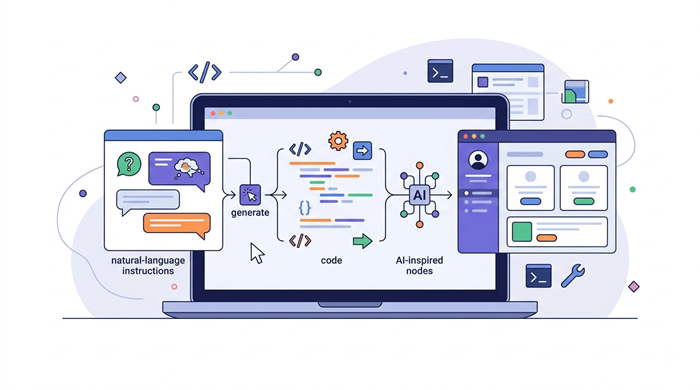
At the same time, artificial intelligence is transforming how software gets built. Rather than replacing developers, AI accelerates repetitive tasks while allowing engineers to focus on architecture, problem-solving, and innovation.
It’s also becoming increasingly clear that vibe coding helps marketers rapidly validate landing pages, campaigns, and digital experiences before investing in full-scale production.
How Businesses Benefit from Modern Development
Modern businesses need more than just great code—they need scalable digital solutions that can evolve alongside their goals. Partnering with a provider that offers unlimited web design allows companies to continuously improve their websites, user experience, and digital presence without the constraints of traditional project-based engagements.
Choosing the right technology stack directly affects project timelines, maintenance costs, scalability, and long-term flexibility.
Successful companies don’t simply follow trends—they match the right language to each business objective. Whether building customer portals, internal software, ecommerce platforms, or SaaS products, selecting appropriate technologies leads to faster delivery and better user experiences.
Understanding common coding languages also helps founders communicate more effectively with technical teams during planning and execution.
Future Outlook
The software industry will continue evolving, but strong fundamentals remain valuable regardless of changing frameworks or tools.
Developers who understand problem-solving, software architecture, and clean coding practices can adapt more easily as popular coding languages rise and fall over time.
Rather than learning every language available, focus on mastering concepts that transfer across multiple technologies. That approach creates long-term career flexibility while making it easier to adopt future innovations.
Businesses planning ongoing development should also evaluate web design pricing before committing to long-term digital projects, ensuring they choose solutions that align with both budget and growth goals.
Conclusion
The world of programming languages continues to expand, but success comes from choosing tools that align with your goals rather than simply following popularity rankings. Whether you’re starting your coding journey, building enterprise software, creating mobile apps, or launching a startup, investing time in the right language pays dividends for years to come.
Technology will continue changing, yet developers who build strong fundamentals, stay curious, and embrace continuous learning will remain in demand across every industry.
Frequently Asked Questions
1. Which programming language should beginners learn first?
Python is often recommended because of its simple syntax and large learning community.
2. Which language is best for web development?
JavaScript remains the foundation of modern interactive websites.
3. Is C++ still worth learning?
Yes, it’s widely used for high-performance applications and systems programming.
4. Which programming language has the most job opportunities?
Demand varies by region, but JavaScript, Python, Java, and C# consistently rank highly.
5. Should I learn multiple programming languages?
Yes, after mastering one language, learning others becomes significantly easier.