
 May 15, 2026
Search behavior has changed dramatically over the last few years. In 2026, ranking content is no longer about matching a single phrase to a page. Search engines now understand context, user behavior, and decision patterns far better than before. That’s why intent clusters are quickly replacing traditional keyword match types as the foundation of modern SEO.
Instead of building isolated pages around exact terms, brands are now creating content ecosystems designed around what users actually want to achieve. Whether someone is researching, comparing, or ready to buy, search engines prioritize pages that satisfy the complete journey.
This shift is changing how businesses approach content planning, site architecture, and optimization. Brands that focus on long-term organic growth are already adapting their strategies around user intent instead of relying on outdated keyword formulas.
In this guide, we’ll break down what intent clusters are, why they matter in 2026, and how businesses can use them to improve visibility, engagement, and conversions.
What Are Intent Clusters?
Intent clusters are groups of related search queries connected by the same underlying goal. Instead of targeting one exact term, you create content that satisfies multiple connected searches within a topic.
For example, a traditional SEO strategy may target:
- best running shoes
- affordable running shoes
- running shoes for beginners
An intent-cluster strategy recognizes that all these searches share a broader objective: helping users choose the right running shoes.
Instead of separate thin pages, search engines now favor comprehensive content experiences that address the full decision-making process.
This is why modern SEO campaigns focus less on strict keyword variations and more on semantic relationships between topics.
Why Match Types Are Losing Relevance
For years, SEO relied heavily on exact-match targeting. Marketers created individual pages for slight keyword variations because search engines struggled to interpret meaning.
That era is fading fast.
Today’s algorithms understand:
- Context
- Search behavior
- Topic depth
- User satisfaction
- Search sequence patterns
Google can now determine whether content genuinely solves a user’s problem instead of simply containing matching words.
This evolution makes old-school match-type optimization less effective. Pages stuffed with repetitive terms often perform worse than naturally written content built around user needs.
Businesses still relying solely on rigid keyword segmentation risk losing visibility as search engines prioritize broader topical relevance.
The Rise of Search Intent in Modern SEO
Search intent is now the core signal behind rankings.
Every search falls into a broader intent category:
Informational Intent
Users want answers or explanations.
Example:
- “how does technical SEO work”
Navigational Intent
Users want to reach a specific brand or website.
Example:
- “Nike official website”
Commercial Intent
Users compare products or services before making a decision.
Example:
- “best SEO agency for ecommerce”
Transactional Intent
Users are ready to act or purchase.
Example:
- “hire local SEO expert”
Intent clusters combine all these stages into connected content strategies.
Instead of treating each keyword independently, SEO teams now map content according to the customer journey.
How Google Understands Intent Clusters
Google’s AI systems have become significantly more advanced in interpreting relationships between searches.
Rather than focusing on isolated phrases, algorithms evaluate:
- Topic completeness
- Entity relationships
- User engagement signals
- Behavioral patterns
- Content depth
For example, someone searching “best project management software” may later search:
- pricing comparisons
- setup tutorials
- productivity integrations
Google connects these searches as part of one broader intent path.
Content that addresses multiple stages naturally tends to rank more consistently across related searches.
This is one reason why comprehensive resource pages now outperform fragmented keyword-targeted content.
Why Intent Clusters Improve Rankings
Intent clusters align closely with how users actually search online.
People rarely search once and convert immediately. They move through multiple discovery stages before taking action.
When your content supports this journey, several SEO benefits emerge:
Better Topic Authority
Search engines see your site as a reliable resource covering an entire subject area.
Improved User Engagement
Visitors stay longer because related questions are answered in one place.
Stronger Internal Relevance
Connected pages reinforce topical relationships throughout your website.
Higher Conversion Potential
Users move naturally from awareness to decision without leaving your ecosystem.
This strategy creates stronger long-term visibility compared to isolated keyword targeting.
Content Structure Is Changing in 2026
SEO content used to focus heavily on individual landing pages.
Now, successful sites use layered content structures such as:
- Pillar pages
- Topic clusters
- Intent mapping
- Semantic content hubs
A single high-quality page may rank for hundreds of related searches because it addresses broader user objectives.
This doesn’t mean keywords are irrelevant. It simply means they are now part of a larger context-driven strategy.
Understanding the benefits of keyword research still matters because research helps identify audience behavior patterns and intent signals.
The difference is that keyword data is now used to shape user journeys instead of isolated pages.
How AI Search Is Accelerating This Shift
AI-powered search experiences are changing user expectations.
Search engines increasingly generate:
- summaries
- recommendations
- contextual answers
- follow-up suggestions
This means content must deliver depth, clarity, and interconnected relevance.
Thin pages optimized for exact phrases struggle to compete in AI-driven search environments.
Intent clusters work better because they mirror natural human exploration.
Users want complete answers, not fragmented information spread across dozens of repetitive pages.
Building an Intent Cluster Strategy
Creating an intent-cluster SEO strategy requires a different mindset from traditional optimization. Businesses investing in scalable content ecosystems often rely on professional seo services to align content structure, intent mapping, and long-term ranking performance.
Start With Core Topics
Identify major subjects directly connected to your business.
Example:
- ecommerce SEO
- local SEO
- technical SEO
- content marketing
Map User Intent Stages
Determine what users want at different stages:
- learning
- comparing
- evaluating
- purchasing
Create Supporting Content
Develop articles, guides, case studies, and landing pages that support each stage naturally.
Connect Content Internally
Use contextual internal linking to guide users through related topics.
Strong site architecture matters more than ever in intent-based SEO systems.
This is where understanding on page seo essentials becomes critical for creating clear topical relationships across pages.
Why Topical Depth Beats Keyword Density
In older SEO models, repeating phrases frequently was often enough to rank.
That no longer works consistently.
Modern algorithms evaluate:
- comprehensiveness
- clarity
- originality
- usefulness
- contextual relevance
Overusing exact terms can actually weaken readability and user experience.
Today, successful SEO writing sounds natural because it prioritizes communication first.
Instead of forcing repetitive phrases, writers focus on answering related questions thoroughly.
This creates stronger semantic coverage without artificial optimization.
The Role of Semantic SEO in 2026
Semantic SEO focuses on meaning rather than exact wording.
Search engines now recognize:
- synonyms
- entities
- contextual relationships
- user expectations
For example, a page about “digital marketing strategy” may rank for related searches involving:
- brand visibility
- lead generation
- content campaigns
- audience targeting
Because Google understands topical associations, pages no longer need awkward exact-match repetition.
This makes content more readable while improving ranking flexibility.
Intent Clusters and Ecommerce SEO
Ecommerce brands are benefiting heavily from intent-based optimization.
Traditional ecommerce SEO often relied on repetitive category pages with minimal differentiation.
Now, successful stores combine:
- buying guides
- comparison content
- educational resources
- FAQ sections
- category optimization
This helps users throughout the purchase journey while building topical authority.
Many brands implementing top seo strategies are now restructuring content around customer intent instead of isolated product terms.
The result is stronger organic traffic and improved conversion performance.
Data Still Matters — But Differently
SEO tools remain important, but their role is evolving.
Instead of chasing exact-match opportunities alone, marketers now analyze:
- search patterns
- topic relationships
- behavioral flows
- intent overlap
Tools like keyword research platforms still provide valuable insights into audience language and trends.
Many professionals continue using tools such as google keyword planner to identify emerging search opportunities and broader topic demand.
The difference is that data now supports holistic content ecosystems rather than isolated targeting.
Why User Experience Is Now Part of SEO
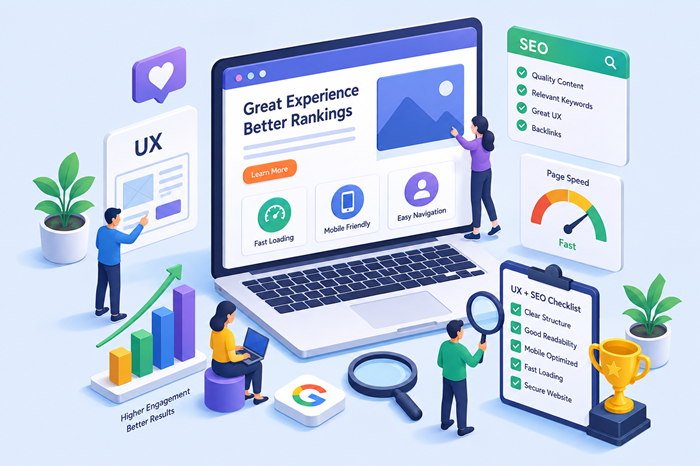
Intent clusters work best when paired with excellent user experience.
Search engines increasingly evaluate:
- engagement
- bounce behavior
- navigation quality
- content satisfaction
- interaction depth
If users quickly leave your site, rankings can suffer regardless of keyword optimization.
Sites designed around user intent naturally improve engagement because visitors find connected answers more easily.
This is why SEO and UX are now deeply interconnected disciplines.
Businesses investing in both content structure and design performance gain a competitive advantage.
Many companies working with unlimited web design teams are now integrating SEO planning directly into website architecture from the beginning.
The Future of Keyword Targeting
Keywords are not disappearing completely.
However, SEO professionals are shifting from:
- single-term targeting
to - intent-driven topic ecosystems
The focus is now on:
- solving problems
- guiding users
- answering related questions
- creating contextual authority
Exact-match optimization alone simply cannot compete with comprehensive intent coverage.
In 2026, search engines reward brands that understand people, not just phrases.
That’s the real evolution happening in SEO.
Final Thoughts
Intent clusters represent one of the biggest SEO shifts of the decade.
Search engines have become smarter at understanding context, relationships, and user goals. As a result, successful SEO strategies now revolve around topical relevance and search intent rather than rigid keyword match types.
Businesses that adapt early will build stronger visibility, better engagement, and more sustainable rankings.
The future of SEO belongs to brands that create connected, useful experiences across the entire customer journey.
While traditional keyword phrases for seo still provide valuable insights, modern optimization is ultimately about understanding why people search — not just what they type.
FAQs
What are intent clusters in SEO?
Intent clusters are groups of related searches connected by the same user goal or topic.
Are keywords still important in 2026?
Yes, but they now support broader intent-focused content strategies instead of exact-match targeting alone.
Why are match types becoming less effective?
Search engines understand context better, making strict keyword matching less necessary.
How do intent clusters improve rankings?
They strengthen topical authority, user engagement, and semantic relevance across related searches.
Can small businesses use intent-cluster SEO?
Yes, even small websites can improve visibility by organizing content around user intent and connected topics.