
 April 9, 2025
If you’re running a physical store in today’s digital-first world, simply having a great storefront isn’t enough. You need to show up online—especially in local searches—to drive foot traffic and grow your business. That’s where Local SEO comes in.
This guide dives deep into how local SEO helps brick-and-mortar businesses connect with nearby customers searching online. We’ll explore actionable strategies, common mistakes to avoid, and how you can start ranking higher on Google Maps, local listings, and more.
Let’s turn those online searches into in-store visits!
What Is Local SEO?
Local SEO (Search Engine Optimization) is all about optimizing your online presence to attract more business from relevant local searches. These are searches made by users who are looking for products or services “near me” or in a specific area.
If someone types “best pizza shop near me” or “shoe repair downtown Miami,” you want your store to be among the top results.
Why Local SEO Matters for Brick-and-Mortar Stores
1. It Drives Foot Traffic
Most consumers look up local businesses before visiting them. Appearing in search results boosts your chances of being chosen over competitors who aren’t optimized.
2. It Builds Trust and Visibility
A complete Google Business Profile, accurate listings, and good reviews signal reliability to potential customers. Local SEO helps build that trust and gets your business in front of more eyes.
Key Elements of a Strong Local SEO Strategy
1. Google Business Profile Optimization
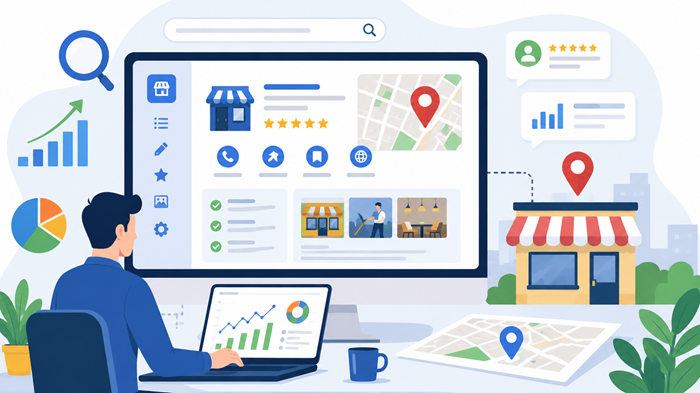
Claim and verify your Google Business Profile (formerly Google My Business). Make sure it’s complete with:
- Correct business name, address, and phone number (NAP)
- Accurate categories and business hours
- High-quality photos
- Regular updates and posts
2. Consistent NAP Citations Across the Web
Your Name, Address, and Phone number (NAP) must be consistent across all listings (Yelp, Facebook, Apple Maps, etc.). Even a small difference can hurt your ranking.
3. Local Keywords and On-Page SEO
Use keywords that include your location and the services/products you offer. Example: “affordable hair salon in San Diego.”
Don’t forget to include these keywords in:
- Page titles
- Meta descriptions
- Header tags (H1, H2, etc.)
- Image alt text
- URLs
4. Reviews and Reputation Management
Encourage happy customers to leave positive reviews, and always respond to both praise and complaints. Google favors businesses with good review scores and consistent interaction.
Advanced Local SEO Tactics
1. Local Backlinks
Get backlinks from local blogs, news outlets, or business directories. These signal relevance and boost local rankings.
2. Create Location-Based Content
Write blog posts or landing pages focused on specific neighborhoods or communities. For instance, if you’re a restaurant, follow strategies in this helpful post on local SEO for restaurants to craft pages that speak directly to nearby foodies.
3. Use Structured Data (Schema Markup)
Add local business schema to your website’s code to help search engines better understand your business details and display rich results in search listings.
Is Local SEO Still Worth It in 2025?
Absolutely. Despite whispers and myths, local SEO is far from dead. In fact, it’s more important than ever as voice search and mobile browsing dominate how people find local businesses. This insightful article, Is Local SEO Dead?, dives into the current state and future of local optimization.
Brick-and-Mortar vs. E-commerce: Why Both Need SEO
Even if you have a storefront, many businesses now blend online and offline experiences. Whether you’re driving in-store visits or online purchases, top SEO strategies for e-commerce websites apply across the board.
And if you’re still deciding where to build your online store, this guide on the best eCommerce platform for SEO will help you make an informed decision.
Local SEO Tools You Should Use
Here are a few handy tools to improve your local SEO game:
- Google Business Profile Manager – Manage your online presence
- Moz Local – Distribute your business listings
- Whitespark – Find local citation opportunities
- BrightLocal – Audit your local SEO performance
- DuckYUnlimited’s Local SEO Service – Check out their Local SEO Solutions to take things to the next level
Common Local SEO Mistakes to Avoid
- Inconsistent NAP across directories
- Ignoring reviews or failing to respond
- Keyword stuffing or irrelevant location tags
- Not updating business hours
- Forgetting to track results
Avoid these, and you’re already ahead of many businesses out there.
Conclusion: Local SEO Is Your Secret Weapon
Whether you’re a coffee shop in a busy city or a family-run bakery in the suburbs, local SEO helps you stand out, get found, and bring in more customers. It’s not just about ranking on Google—it’s about being where your community is looking.
With the right strategy, your brick-and-mortar location can thrive online and offline.