
 May 6, 2026
Digital advertising has changed dramatically over the past few years. Social platforms now shape how people discover brands, evaluate services, and make buying decisions. Because of this shift, businesses can no longer rely on outdated campaign strategies or generic conversion pages.
The most successful brands understand that effective advertising is about creating a connected experience from the first click to the final conversion. When your ad messaging, visuals, and destination pages align with current user behavior, campaigns perform far more efficiently.
This is why modern businesses are paying closer attention to how their conversion-focused pages interact with evolving social behavior. From mobile usability to authentic messaging, every detail matters.
In this guide, we’ll explore how to align your campaign pages with current social behavior to improve engagement, build trust, and increase conversions.
Why Social Behavior Impacts Conversion Performance
Social platforms influence how users interact with digital content across the internet. Fast scrolling, short-form content, and mobile-first browsing have changed user expectations significantly.
Today’s audiences expect:
- Faster page experiences
- Clear messaging
- Visual consistency
- Personalized content
- Easy navigation
- Quick conversion paths
If visitors click an ad and land on a page that feels disconnected or outdated, they’re likely to leave almost immediately.
Businesses offering professional ppc services often prioritize message alignment because it improves both user trust and campaign performance.
Keep Messaging Consistent From Ad to Page
One of the biggest reasons campaigns underperform is inconsistent messaging.
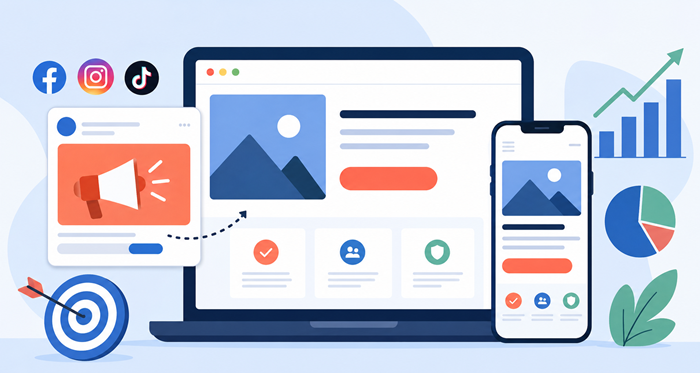
If an ad promotes a specific offer, your destination page should reinforce that same message immediately. Visitors should never have to search for information they expected to see after clicking.
Consistency creates confidence.
Match Tone and Visual Style
Your ad creative and conversion page should share:
- Similar headlines
- Matching color palettes
- Consistent calls to action
- Related imagery
- A unified brand voice
When everything feels connected, users are more likely to continue engaging.
Prioritize Mobile Experiences
Most traffic from social platforms now comes from smartphones. That means your pages must work flawlessly on smaller screens.
Slow-loading layouts, oversized graphics, or difficult navigation can quickly hurt conversion rates.
Mobile Optimization Best Practices
Simplify Navigation
Remove unnecessary distractions and focus attention on the primary action.
Reduce Form Fields
Short forms typically perform better for social traffic.
Improve Loading Speed
Compressed visuals and lightweight design elements help pages load faster.
Use Clear Buttons
Calls-to-action should be easy to tap and visible without excessive scrolling.
Build Content Around User Intent
Not every visitor arrives with the same mindset.
Someone clicking from a short-form video ad may still be researching solutions, while someone clicking from a search ad may already be ready to buy.
Your page should reflect the audience’s stage in the decision-making journey.
Tailor Content to Platform Behavior
Different social channels attract different types of engagement.
Instagram and TikTok
Users expect visually engaging and fast-paced content.
Professional, authority-driven messaging performs better.
Storytelling and emotional connection often resonate more strongly.
Understanding user intent allows businesses to create more relevant experiences.
Create Visually Engaging Experiences
Visual presentation plays a major role in keeping visitors engaged.
Modern audiences respond better to authentic visuals that feel natural instead of overly polished.
Effective Visual Elements Include
- Real customer photography
- Product demonstrations
- Short videos
- User-generated content
- Clean graphics and icons
These elements help pages feel more relatable and trustworthy.
Focus on a Single Conversion Goal
High-performing pages are usually simple and focused.
Trying to promote too many offers at once can overwhelm visitors and reduce conversions.
Every page should focus on one primary objective, such as:
- Booking a consultation
- Requesting a quote
- Downloading a guide
- Signing up for a demo
- Completing a purchase
Clear direction helps users take action more confidently.
Businesses investing in a strategic ppc campaign often see stronger results when every page has a clearly defined conversion goal.
Use Social Proof to Build Trust
Trust is one of the biggest factors influencing conversion decisions.
When visitors encounter a brand for the first time through paid advertising, they often look for reassurance before taking action.
Strong Social Proof Examples
Customer Testimonials
Specific feedback tends to feel more believable.
Reviews and Ratings
Public ratings can strengthen credibility quickly.
Case Studies
Real-world success stories demonstrate measurable results.
User Statistics
Showing customer numbers or performance metrics adds authority.
Strategically placing social proof near calls-to-action can improve conversion rates significantly.
Write for Short Attention Spans
Social platforms have conditioned users to scan content quickly.
Your page should communicate value immediately without overwhelming visitors.
Use Clear Headlines
Strong headlines should quickly explain:
- What you offer
- Why it matters
- What action users should take
Break Up Content Visually
Use:
- Bullet points
- Subheadings
- White space
- Short paragraphs
This structure improves readability and keeps users engaged longer.
Personalization Improves Engagement
Personalized experiences often perform better because they feel more relevant to users.
Small adjustments can make a significant difference.
Personalization Ideas
Dynamic Headlines
Adjust messaging based on audience segments or campaigns.
Location-Based Messaging
Highlight region-specific offers when appropriate.
Audience-Specific Visuals
Different demographics may respond better to different imagery styles.
Businesses that adapt messaging based on audience behavior often create stronger engagement across campaigns.
Integrate Video Carefully
Video continues to dominate social platforms, and users increasingly expect visual storytelling.
Short videos can improve engagement when used properly.
Best Practices for Video Content
- Keep videos concise
- Focus on benefits immediately
- Add captions for silent viewing
- Place videos near the top of the page
Avoid long introductions or autoplay audio that disrupts the experience.
Use Analytics to Improve Results
Optimization should be an ongoing process.
Audience behavior changes constantly, and campaign performance can shift quickly.
Metrics Worth Tracking
Bounce Rate
Helps identify messaging mismatches.
Conversion Rate
Measures how effectively pages drive action.
Scroll Depth
Shows where visitors lose interest.
Time on Page
Indicates how engaging the content is.
Many brands exploring the impact of ai on ppc now use advanced analytics tools to better understand user behavior and campaign performance patterns.
Design Pages That Feel Natural to Social Users
Traditional corporate web design often feels too formal for modern social audiences.
Today’s users prefer experiences that feel intuitive and conversational.
Modern Design Trends That Perform Well
Minimal Layouts
Simple structures reduce friction.
Bold Calls-to-Action
Strong visual hierarchy guides users effectively.
Interactive Features
Clickable elements and lightweight animations can improve engagement.
Conversational Messaging
Natural language often performs better than overly technical copy.
Brands combining user-focused design with unlimited web design flexibility can adapt more effectively to changing consumer expectations.
Balance Creativity With Clarity
Creative visuals help capture attention, but clarity should always come first.
Visitors should immediately understand:
- What your business offers
- Why it matters
- What they should do next
Overcomplicated layouts can confuse users and reduce conversions.
Build Credibility Throughout the Experience
Trust-building elements should appear naturally throughout the page.
Important Trust Signals
- Secure payment indicators
- Transparent pricing
- Clear contact information
- Privacy assurances
- Satisfaction guarantees
These details help reduce hesitation and improve user confidence.
Adapt to Evolving Consumer Expectations
Consumer preferences change quickly as digital platforms evolve.
Businesses staying informed about social media marketing trends are better positioned to create experiences that resonate with modern audiences.
Similarly, brands following the latest technology trends can adapt more effectively to new browsing habits, platform updates, and user expectations.
Understand Different Advertising Models
Not all digital advertising channels attract the same type of user behavior.
Brands comparing monetization strategies often evaluate differences like ppc vs. adsense to better understand how traffic sources influence engagement and conversions.
Understanding these distinctions helps marketers create more targeted user experiences.
Continuous Testing Leads to Better Performance
Even small adjustments can dramatically improve campaign results.
Elements Worth Testing
- Headlines
- CTA wording
- Form length
- Images
- Video placement
- Testimonials
- Page layouts
Consistent testing helps businesses identify what resonates most with their audience.
A skilled ppc management agency typically relies heavily on testing data to improve campaign efficiency over time.
Simplicity Often Delivers Better Results
Some of the best-performing pages are surprisingly simple.
Clean layouts, focused messaging, and intuitive navigation usually outperform cluttered designs.
Visitors should never feel confused or distracted while navigating your page.
The smoother the experience feels, the more likely users are to convert.
Professional ppc management services often emphasize simplicity because streamlined experiences reduce friction and improve campaign performance.
Final Thoughts
Modern digital advertising requires more than compelling ads alone. Businesses must create connected experiences that align with how today’s audiences browse, interact, and make decisions online.
When messaging, visuals, and user experience work together seamlessly, campaigns become far more effective.
The brands that adapt to evolving user behavior — especially across social platforms — are the ones most likely to improve engagement, increase conversions, and build long-term growth.
Carefully aligning content, design, and audience expectations creates a stronger path from initial click to final conversion.
FAQs
Why is message consistency important in paid advertising?
Consistent messaging improves trust and reduces user confusion after ad clicks.
How can mobile optimization improve conversions?
Mobile-friendly pages create smoother experiences for social media visitors.
What type of visuals work best for modern campaigns?
Authentic images, short videos, and user-generated content usually perform well.
Why should pages focus on one conversion goal?
A single clear objective reduces distractions and improves action rates.
How often should businesses test page performance?
Regular testing helps brands adapt to changing audience behavior and improve results.