
 October 4, 2024
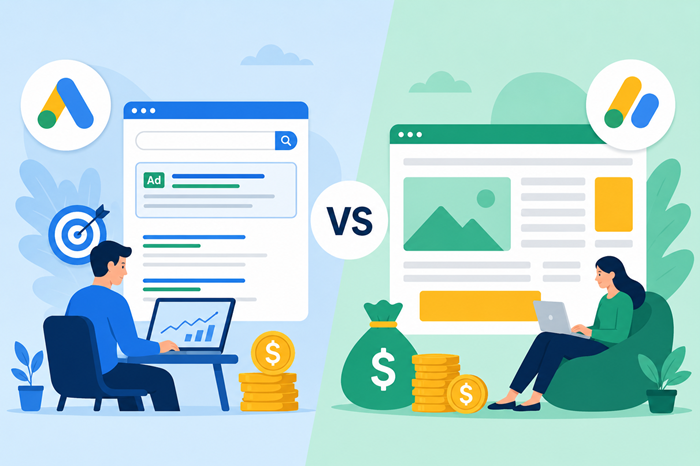
In today’s digital marketing landscape, businesses often face a critical question: Should you invest in PPC (Pay-Per-Click) or focus on organic search to drive traffic and conversions? Both strategies offer distinct advantages, and the best approach depends on your business goals, budget, and long-term strategy. In this blog, we’ll break down the key differences between PPC and organic search, highlight their pros and cons, and guide you on how to make the right choice for your marketing efforts.
What is PPC?
PPC, or Pay-Per-Click advertising, is a model where advertisers pay each time their ad is clicked. This model is typically used in search engine advertising (e.g., Google Ads) and social media platforms. With PPC, your ads can appear at the top of search results almost instantly, giving your business immediate visibility. This is especially useful for businesses looking for quick results.
If you’re new to PPC, understanding the basics is crucial. To get started, take a look at this detailed comparison of CPC vs. PPC, which explains key terms and how they affect your ad performance.
Advantages of PPC
- Immediate Results: PPC allows your website to appear on the first page of search results right away, unlike organic search, which takes time to build.
- Targeted Reach: You can precisely target your audience based on demographics, location, and interests, increasing the likelihood of conversions.
- Measurable ROI: With PPC, you have access to detailed data about ad performance, allowing for better optimization through techniques like A/B testing.
- Control Over Budget: You set your daily or monthly ad spend, giving you control over your marketing budget.
Disadvantages of PPC
- Costly Over Time: While PPC provides immediate visibility, the cost can add up quickly, especially in competitive industries where common PPC mistakes can lead to wasted spend. Learn how to avoid these errors in this guide.
- Temporary Visibility: Your visibility disappears once you stop paying for ads, meaning that PPC doesn’t have the lasting impact of organic SEO.
What is Organic Search?
Organic search refers to the unpaid listings that appear in search engine results based on their relevance to a user’s query. Optimizing for organic search (through SEO) involves improving your website’s content, structure, and authority to rank higher in search results naturally.
Investing in organic search is a long-term strategy that can offer sustainable traffic growth without ongoing costs. To better understand how organic results compare with PPC, check out this article on PPC vs. Organic.
Advantages of Organic Search
- Cost-Effective: Once your website is optimized for SEO, you can attract traffic without the continuous expense of paid ads.
- Long-Term Results: Unlike PPC, which only lasts as long as your campaign, organic rankings can last for years with proper maintenance.
- Credibility and Trust: Users often trust organic search results more than paid ads, as these are seen as more reliable and less “salesy.”
- Better Click-Through Rates (CTR): Studies show that organic search results tend to have higher CTRs compared to paid ads, especially for users who are searching for information rather than making an immediate purchase.
Disadvantages of Organic Search
- Time-Consuming: Achieving high organic rankings can take months, or even years, depending on the competitiveness of your keywords and the quality of your content.
- Algorithm Changes: Search engines frequently update their algorithms, which can impact your rankings without warning.
- Limited Immediate Impact: For businesses that need fast results, organic search can feel slow, as it requires a long-term commitment to content creation and SEO optimization.
PPC vs. Organic Search: When to Choose PPC
PPC is ideal for businesses looking to gain quick visibility and drive immediate traffic to their website. It’s also a good option if you’re promoting a time-sensitive offer or event. If your business operates in a highly competitive industry where ranking organically is tough, PPC may be a necessary investment to gain a foothold.
For instance, if you’re launching a new product or running a limited-time promotion, PPC can give you instant exposure in front of your target audience.
That said, success with PPC requires ongoing optimization. To improve your ad performance and avoid common pitfalls, it’s essential to understand common PPC mistakes.
PPC vs. Organic Search: When to Focus on Organic Search
Organic search should be your primary focus if you’re looking for long-term, sustainable traffic growth. This is especially true for businesses with smaller marketing budgets, where you want to build authority and trust over time.
Investing in organic SEO makes sense if your business thrives on consistent, evergreen traffic. For example, if your target audience frequently searches for informational content, focusing on content marketing and SEO can help you rank higher and attract more visitors without the need for paid ads.
How to Combine PPC and Organic Search for Maximum Impact
In reality, you don’t have to choose between PPC and organic search—many successful businesses use both to create a balanced marketing strategy. Here’s how you can leverage the best of both worlds:
- Use PPC for Quick Wins: When launching a new product or service, use PPC to get immediate traffic and visibility while you work on your organic SEO strategy.
- Target High-Competition Keywords with PPC: Some keywords are too competitive to rank for organically, especially in the short term. Use PPC to target these high-value keywords and complement your organic efforts.
- Build Authority with Organic Search: Over time, focus on building valuable content and optimizing your site to rank organically. This will help you reduce your reliance on paid ads and attract free, sustainable traffic.
- Test and Optimize with PPC Data: Use the data from your PPC campaigns to improve your SEO strategy. For example, keywords that convert well in your PPC ads can be targeted for organic SEO as well.
Conclusion: Where Should You Put Your Money?
So, where should you invest your marketing dollars? It ultimately depends on your business goals. If you need fast results and have a budget to spare, PPC is a great way to drive immediate traffic. On the other hand, if you’re playing the long game and want to build lasting authority and trust, organic search is the way to go.
For many businesses, the best approach is a combination of both. Use PPC for quick wins and high-competition keywords, and focus on SEO for long-term growth. By balancing your investment between the two, you can maximize your visibility and achieve the best results for your business.
To learn more about the differences between these strategies, read this in-depth guide on PPC vs. Organic and start making informed decisions for your marketing efforts.