
 May 13, 2025
Your website is often the first impression potential customers get of your brand. So, what message is it sending?
An effective web design doesn’t just look good—it functions seamlessly, guides visitors intuitively, and supports your business goals. Whether you’re launching a new site or giving an existing one a makeover, understanding the core principles of modern web design can mean the difference between gaining a customer or losing one to your competitor.
Let’s dive into the essential elements that define great web design—and why they matter.
1. Simplicity Is Powerful
Too much clutter can overwhelm users and drive them away. A clean, minimal layout helps people focus on what matters most: your content and calls-to-action.
- Limit colors and fonts
- Use whitespace effectively
- Avoid unnecessary elements
If your site is starting to feel crowded or chaotic, that could be one of the signs you need a professional web design company.
2. Mobile-First, Always
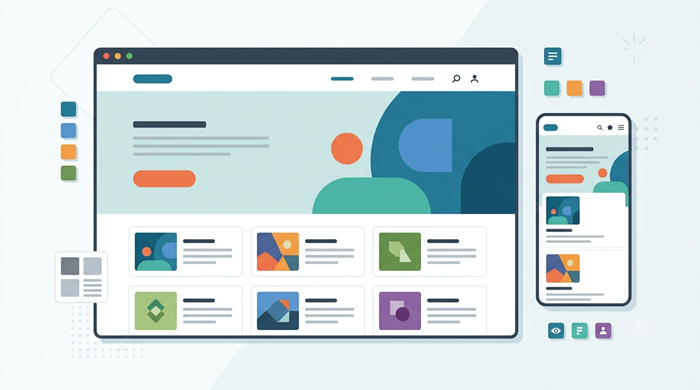
With more than half of web traffic coming from mobile devices, responsive design is non-negotiable. Your website must look and work great on phones, tablets, and desktops.
A responsive web design ensures your layout adapts fluidly to any screen size, providing an optimal experience across devices.
3. Clear Navigation Enhances UX
A well-structured navigation system helps visitors find what they’re looking for without friction.
- Use logical page hierarchy
- Keep menus short and intuitive
- Add a search bar for larger sites
Think of navigation like a GPS—it should guide your visitors from point A to point B without detours.
4. Speed Matters
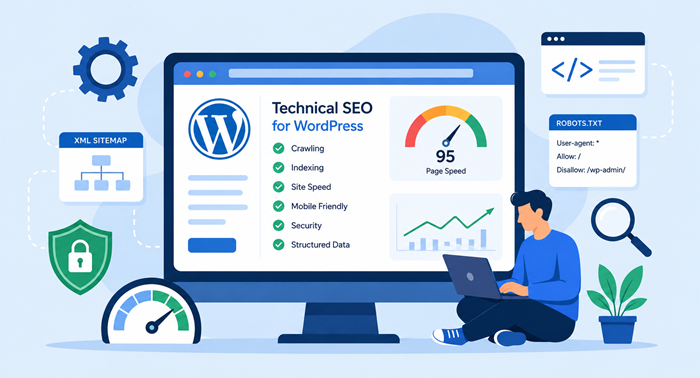
Users are impatient. If your site takes more than 3 seconds to load, you risk losing them. Speed is also a major SEO factor.
- Compress images
- Use modern coding practices
- Choose fast, reliable hosting
Need help optimizing your design and performance? Reviewing an expert web design portfolio can inspire or inform your next steps.
5. Strong Visual Hierarchy
Visual hierarchy refers to the arrangement of elements in order of importance. It directs users’ eyes to key content like headlines, CTAs, or promotions.
Tips to create visual impact:
- Use size, color, and contrast intentionally
- Stick to a consistent layout
- Make CTAs pop
6. Content is Still King
Design should complement your content—not overshadow it. Your message needs to be clear, valuable, and aligned with your audience’s needs.
- Use headings and bullet points for skimmability
- Break long paragraphs
- Include relevant keywords for SEO
7. Consistency Builds Trust
Brand consistency is key to user trust and recognition. From fonts and color schemes to button styles and image usage, maintain uniformity across all pages.
If you’re not sure what your site is saying about your brand, it’s worth evaluating whether a professional web design service could help clarify your message.
8. Accessibility Shouldn’t Be Optional
Your website should be usable by everyone, including people with disabilities.
- Use alt text for images
- Provide sufficient color contrast
- Enable keyboard navigation
Making your site accessible is not just the right thing to do—it’s good business and often a legal requirement.
9. Effective CTAs Drive Results
Every page should include a clear next step, whether that’s filling out a form, signing up for a newsletter, or making a purchase.
- Use action verbs
- Keep it concise
- Position CTAs where they’re visible
A great CTA stands out without being pushy—and it works better when it’s backed by great design.
10. Test, Analyze, and Improve
Web design isn’t “set it and forget it.” It’s an ongoing process of testing and optimization.
Use tools like:
- Google Analytics for behavior tracking
- A/B testing for headlines or CTAs
- Heatmaps to analyze user interaction
11. Budget Accordingly—It’s an Investment
Many businesses ask: how much to charge for website design? The answer depends on scope, functionality, and expertise—but remember: a cheap website that doesn’t perform will cost you more in the long run.
Investing in solid design means better user experience, more conversions, and stronger brand presence.
Conclusion: Design with Purpose
Effective web design goes beyond pretty graphics. It’s about crafting an intuitive, responsive, and performance-driven experience that supports your business goals and delights your audience.
Whether you’re just starting out or considering a website overhaul, following these key principles will put you on the right path. If you’re ready to take your website to the next level, exploring a proven web design portfolio is a great place to start for ideas and quality standards.
👉 Want to Build a Website That Works?
Explore Professional Web Design Services Now and transform your site into a high-converting, beautifully branded digital asset.
FAQs
1. Why is responsive design so important?
Responsive design ensures your site looks great on all devices, which improves user experience and boosts SEO rankings.
2. How often should I update my website design?
It’s wise to review your website every 2–3 years to ensure it stays modern, functional, and aligned with current user expectations.
3. What’s the difference between UX and UI in web design?
UX (User Experience) is about how a site works, while UI (User Interface) focuses on how it looks. Both are essential for effective design.
4. Do I need a professional web designer or can I DIY?
DIY works for simple sites, but if you’re running a business, hiring a professional ensures better results, performance, and ROI.
5. What’s the average cost of website design?
Prices vary widely, from a few hundred to several thousand dollars, depending on complexity, features, and the designer’s experience.