
 September 29, 2025
As digital spaces grow more competitive, design trends continue to evolve, blending creativity with usability. We’re seeing a fascinating mix of clean minimalism, striking bold visuals, and innovative design techniques that ensure websites stand out in the crowded online world.
So, what’s shaping the web design industry right now? Let’s explore the styles that are dominating this year and how you can use them to your advantage.
The Power of Minimalism in Modern Web Design
Minimalism has long been a staple of web design. Clean layouts, plenty of white space, and a focus on essential content create a seamless browsing experience.
Why does minimalism work so well? Because users crave clarity. A site free from clutter makes it easier for visitors to find what they need, whether that’s a product, service, or brand story. For inspiration, take a look at proven tips on designing websites that set you apart—a clear reminder that simplicity doesn’t mean boring; it means strategic.
The Rise of Bold Graphics and Statement Designs
On the opposite side of minimalism, bold graphics are making waves. Large typography, bright color palettes, and dynamic visual elements are being used to grab attention instantly.
This style is particularly popular with younger audiences and brands looking to showcase personality. By combining oversized fonts with striking visuals, businesses can create a digital presence that feels fresh, modern, and unforgettable.
Balancing Minimalism and Boldness
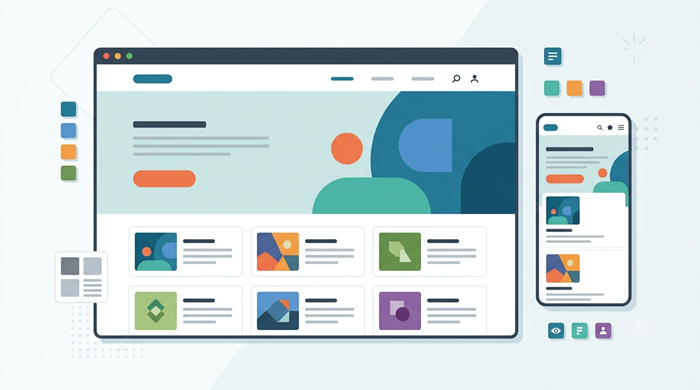
Some of the best designs today strike a balance between simplicity and impact. Imagine a minimalist layout with splashes of bold graphics—a design that feels clean yet memorable. This hybrid approach keeps users focused while giving them something visually stimulating to remember your brand by.
Micro-Interactions: The Details That Matter
Subtle design elements, like hover animations and scrolling effects, are increasingly popular. These micro-interactions might feel small, but they enhance usability and create a more engaging experience. When done right, they make websites feel intuitive and polished, rather than overwhelming.
Typography as a Design Hero
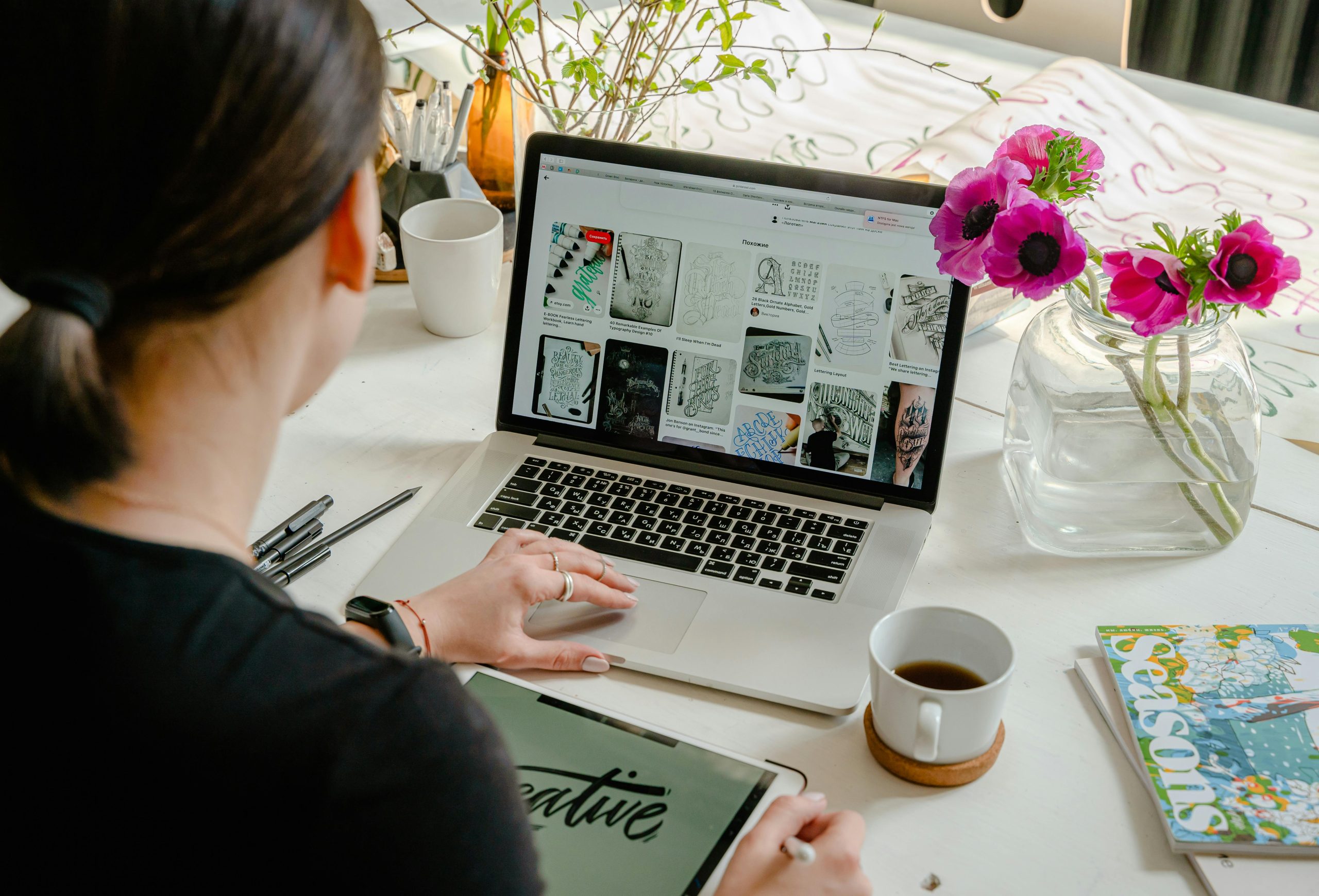
Typography has gone from being a supporting element to a central design feature. Oversized fonts, experimental typefaces, and creative layouts are being used to set tone and personality. Whether minimalist or bold, typography in 2025 is all about making a statement.
Color Trends: Neutrals Meet Vibrance
Web designers are experimenting with color in two distinct ways:
- Neutral palettes—to create calm, professional, and minimalist vibes.
- Vibrant gradients and bold shades—to energize and captivate users.
These choices aren’t random; they’re tailored to reflect brand identity and connect emotionally with visitors.
Personalization in Web Design
Today’s users expect experiences that feel personal. From localized content to custom user journeys, web design is adapting to make every visitor feel like the site was made for them. Businesses looking to stand out can explore strategies like those in local business website design tips, ensuring their sites resonate with specific audiences.
The Role of WordPress in Shaping Trends
WordPress continues to power a massive portion of websites worldwide, making it a key player in modern web design. With its flexibility, businesses can easily adopt trending styles, from minimalist layouts to bold, interactive designs. For companies considering long-term growth, learning more about unlimited WordPress development can provide a competitive edge.
Avoiding Design Pitfalls
With trends constantly changing, it’s easy to get carried away. But poorly executed design choices can harm credibility and user experience. To safeguard your brand, be aware of web design mistakes that can ruin your brand in 2025. Avoiding these pitfalls ensures your site stays relevant and professional.
Accessibility as a Core Principle
A design trend that isn’t just stylish but also essential is accessibility. From color contrast to text readability, inclusive design ensures everyone, including users with disabilities, can access your site. Beyond compliance, it also shows commitment to inclusivity and boosts trust in your brand.
Mobile-First Design
With most users browsing from smartphones, mobile-first design remains non-negotiable. Minimalist layouts and bold graphics translate especially well on smaller screens, making this trend both practical and visually powerful.
Integration of Motion Graphics
Video backgrounds, animated logos, and motion graphics are more common than ever. These elements create dynamic experiences but need to be balanced to avoid slowing down site performance.
Sustainability in Web Design
Another emerging trend is sustainability—designing lightweight websites that reduce energy consumption. This not only improves loading times but also appeals to eco-conscious consumers.
Conclusion
From the clean lines of minimalism to the energy of bold graphics, web design is now all about creating experiences that feel intentional, engaging, and user-friendly. Whether you lean toward simplicity, bold creativity, or a mix of both, the key is to design with purpose and align with your brand’s identity. By embracing trends thoughtfully—and avoiding common mistakes—you can ensure your website not only looks great but also drives real growth.