
 June 2, 2026
If you’re planning a new website or thinking about redesigning an existing one, one of the first questions that comes to mind is simple: how much do web designers charge?
The answer isn’t always straightforward. Website pricing varies based on experience, project complexity, functionality requirements, and the type of professional you hire. A basic business website may cost a few hundred dollars, while a custom-built platform can run into thousands.
Understanding the factors that influence pricing can help you set realistic expectations, compare quotes more effectively, and choose the right professional for your project.
In this guide, we’ll break down what impacts website costs, typical pricing models, and how to determine the best value for your business.
Why Web Design Pricing Varies So Much
Web design isn’t a one-size-fits-all service. Every business has unique goals, branding requirements, and technical needs.
A simple brochure-style website requires significantly less work than a custom online platform with advanced integrations, booking systems, or membership functionality.
Several factors influence pricing, including:
- Number of pages
- Design customization
- Content creation requirements
- SEO implementation
- Mobile responsiveness
- Ecommerce functionality
- Ongoing maintenance needs
- Technical complexity
Because of these variables, project costs can differ dramatically from one business to another.
Common Pricing Models Used by Web Designers
Before comparing quotes, it’s important to understand how professionals structure their pricing.
Hourly Rates
Many freelancers charge by the hour.
Typical hourly rates range from $25 to $150+ depending on experience, location, and specialization.
This model works best for:
- Small updates
- Website maintenance
- Design revisions
- Short-term projects
The challenge is that total costs can be difficult to predict if project requirements change.
Fixed Project Pricing
Many agencies and experienced freelancers offer flat-rate project pricing.
With this approach, you receive a clear proposal outlining deliverables and total cost upfront.
Benefits include:
- Predictable budgeting
- Defined scope
- Easier project management
Most businesses prefer this model because it minimizes pricing surprises.
Monthly Subscription Services
An increasing number of companies now offer ongoing design support through subscription-based plans.
Instead of paying a large upfront fee, businesses receive continuous design assistance, updates, and improvements for a recurring monthly cost.
This approach has become particularly popular among growing companies that need consistent website support.
Average Website Design Costs by Project Type
The size and complexity of your website significantly impact pricing.
Basic Small Business Website
A simple website with essential pages such as Home, About, Services, and Contact typically costs between $500 and $3,000.
These projects usually include:
- Responsive design
- Basic SEO setup
- Contact forms
- Standard functionality
Many companies seeking a reliable small business web designer start within this pricing range.
Professional Custom Website
Businesses requiring stronger branding and custom functionality can expect costs between $3,000 and $10,000 or more.
Features often include:
- Custom layouts
- Enhanced user experience
- Conversion-focused design
- Advanced integrations
- SEO optimization
Projects at this level often involve collaboration with a dedicated website designer who specializes in tailored solutions.
Ecommerce Websites
Online stores require additional planning, development, and optimization.
Typical costs range from $2,500 to $25,000+ depending on:
- Product count
- Payment integrations
- Inventory management
- Customer account systems
- Custom functionality
Successful brands often invest heavily in ecommerce website designing because user experience directly impacts sales performance.
For businesses focused on increasing online revenue, studying what makes a high-converting online store can provide valuable insight before starting a project.
What Factors Increase Website Design Costs?
Understanding the cost drivers behind a project helps explain pricing differences between proposals.
Custom Design Requirements
Template-based websites are faster and less expensive.
Custom-designed websites require:
- Brand research
- Wireframing
- User experience planning
- Unique visual design
The more customization involved, the higher the investment.
Content Creation
Professional copywriting, photography, and graphic design can significantly increase project costs.
Many businesses underestimate how much time is required to create compelling website content.
SEO Implementation
Basic SEO setup is often included.
Advanced SEO strategies involving keyword research, content architecture, and technical optimization may add additional costs.
Conversion Optimization
Designing a website that converts visitors into customers requires expertise beyond visual aesthetics.
User behavior, layout decisions, and trust-building elements all play important roles.
Many modern businesses invest in understanding the psychology behind clicks to improve conversion performance and maximize ROI.
Advanced Functionality
Features such as:
- Online booking systems
- Membership portals
- Custom dashboards
- API integrations
- Interactive calculators
typically require additional development time and increase overall costs.
Freelancer vs Agency Pricing
One of the biggest decisions businesses face is choosing between a freelancer and an agency.
Freelancers
Freelancers often provide:
- Lower pricing
- Direct communication
- Flexible project structures
A cheap web designer may seem appealing initially, but businesses should carefully evaluate experience, portfolio quality, and long-term support capabilities.
Agencies
Agencies generally offer:
- Larger teams
- Structured processes
- Broader expertise
- Ongoing support
While agency pricing is typically higher, businesses often benefit from access to designers, developers, strategists, and project managers working together.
A professional website designing agency can often handle larger projects more efficiently than a solo freelancer.
Should You Choose Local or Remote Designers?
Years ago, businesses primarily worked with local professionals.
Today, remote collaboration has become standard practice.
Many business owners still search for a web designer near me because they prefer local communication and familiarity with regional markets.
However, modern collaboration tools allow companies to work successfully with talented professionals worldwide, often expanding options and improving value.
Understanding the Real Return on Your Website Investment
Focusing solely on price can be misleading.
A website should be viewed as a business asset rather than an expense.
An effective website can:
- Generate leads
- Increase sales
- Build credibility
- Improve customer experience
- Support marketing efforts
Choosing the lowest-cost option often results in redesign expenses later.
The goal should be maximizing long-term return rather than minimizing upfront spending.
How to Evaluate a Web Design Proposal
Before signing a contract, review each proposal carefully.
Look for details such as:
Scope of Work
Ensure deliverables are clearly defined.
This should include:
- Number of pages
- Design revisions
- Functionality
- Launch support
Timeline
Understand project milestones and expected completion dates.
Ownership Rights
Confirm who owns:
- Website files
- Content
- Graphics
- Domain assets
Ongoing Support
Ask whether maintenance, updates, and technical support are included after launch.
Businesses seeking continuous improvements often benefit from unlimited web development services, especially when growth requires frequent updates.
How Much Should You Budget for a Website?
The ideal budget depends on your goals.
General guidelines include:
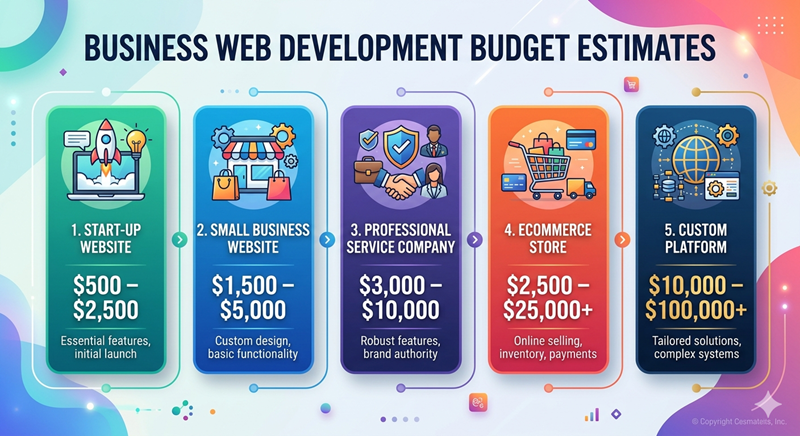
Rather than asking only about cost, ask what outcomes the website is expected to achieve.
A well-designed website often pays for itself through increased leads and revenue.
Businesses looking for predictable pricing often compare different approaches to determine the best web designer cost structure for their needs
For companies that need continuous creative support, the unlimited web design model can provide ongoing design resources without the unpredictability of traditional project pricing.
Final Thoughts
So, how much do web designers charge?
The reality is that pricing can range from a few hundred dollars to tens of thousands depending on project goals, complexity, functionality, and expertise.
The best approach is to focus on value rather than simply choosing the lowest quote. A professionally designed website can become one of the most powerful assets in your business, helping attract customers, build trust, and drive long-term growth.
When evaluating options, consider experience, portfolio quality, communication style, support availability, and overall business impact—not just the initial price tag.
FAQs
How much does a basic website cost?
A basic business website typically costs between $500 and $3,000.
Do web designers charge hourly or per project?
Many offer both hourly rates and fixed project pricing.
Why do website design prices vary so much?
Pricing depends on complexity, customization, functionality, and expertise.
Is hiring an agency more expensive than a freelancer?
In most cases, agencies charge more because they provide broader resources and services.
Are monthly website design plans worth it?
They can be valuable for businesses needing ongoing updates and support.