
 June 22, 2026
Creating a professional website is one of the most important investments a business can make. Whether you’re launching a new brand, redesigning an outdated website, or expanding your online presence, understanding design pricing helps you make informed decisions and avoid overspending.
One of the most common questions business owners ask is how much they should expect to pay for website design services. The answer varies depending on who you hire, project complexity, experience level, and the type of service model offered. Understanding the difference between freelancers and agencies can help you choose the right partner for your goals and budget.
In this guide, we’ll break down the average web designer hourly rate, compare freelancers and agencies, explain what affects pricing, and help you determine which option delivers the best value.
Understanding Website Design Pricing
Website design pricing isn’t standardized across the industry. Some professionals charge hourly, while others offer fixed project fees, monthly subscriptions, or ongoing design retainers.
The amount you pay often reflects factors such as:
- Experience and expertise
- Geographic location
- Project complexity
- Design customization requirements
- Additional services included
- Timeline and urgency
Because every project is unique, rates can vary significantly even among designers with similar skill levels.
Average Freelancer Website Design Rates
Freelance designers typically operate independently and handle everything from client communication to design execution.
Entry-Level Freelancers
Designers with limited experience or smaller portfolios generally charge between $20 and $50 per hour.
These professionals may be suitable for:
- Simple brochure websites
- Personal websites
- Small startup projects
- Basic landing pages
However, lower rates sometimes come with longer timelines or limited strategic guidance.
Mid-Level Freelancers
Freelancers with several years of experience often charge between $50 and $100 per hour.
This range is common for businesses seeking:
- Custom website layouts
- Brand-focused design
- Responsive user experiences
- Moderate functionality
Many companies find this pricing tier offers a strong balance between affordability and quality.
Senior Freelancers
Highly experienced specialists may charge anywhere from $100 to $250+ per hour.
These professionals often provide:
- Advanced UX/UI expertise
- Conversion-focused design
- Complex website architecture
- Strategic consulting
Their higher fees are typically justified by extensive experience and proven results.
Average Agency Website Design Rates
Agencies usually employ teams of designers, developers, strategists, project managers, and marketers.
Because multiple experts contribute to projects, agency rates tend to be higher.
Small Boutique Agencies
Smaller agencies often charge between $75 and $150 per hour.
Clients benefit from:
- Structured project management
- Broader skill sets
- Reliable processes
- Consistent communication
This option appeals to businesses that want additional support without enterprise-level costs.
Mid-Sized Agencies
Mid-sized firms generally charge between $150 and $250 per hour.
Their services often include:
- Design strategy
- UX research
- Content planning
- SEO recommendations
- Development coordination
The increased cost reflects the involvement of multiple specialists.
Enterprise-Level Agencies
Large agencies serving national and international brands may charge $250 to $500+ per hour.
These firms frequently manage:
- Large-scale redesigns
- Complex integrations
- Multi-site ecosystems
- Extensive branding initiatives
For larger organizations, the investment may be worthwhile due to the depth of expertise available.
Why Agency Rates Are Usually Higher
Many business owners wonder why agency pricing often exceeds freelance rates.
The answer comes down to overhead and resources.
Agencies maintain:
- Dedicated project managers
- Quality assurance teams
- Internal processes
- Multiple specialists
- Administrative staff
- Ongoing training programs
These resources improve consistency and scalability but also increase operational costs.
Factors That Influence Design Costs
Hourly rates only tell part of the story. Several additional factors affect the final project budget.
Project Scope
A simple five-page website requires significantly less work than a large ecommerce platform.
The more pages, features, and functionality involved, the more hours are required.
Custom Design Requirements
Template-based websites cost less than fully custom designs.
Businesses seeking unique visual identities should expect higher pricing.
Content Creation
If the designer is also responsible for copywriting, graphics, photography, or video assets, overall costs increase.
SEO Considerations
Modern websites require more than attractive visuals.
Many businesses choose to incorporate technical SEO, performance optimization, and conversion-focused layouts during the design process.
Companies looking to build a high-converting online store can benefit from planning these elements early in the project lifecycle.
Timeline Requirements
Rush projects often command premium pricing.
When designers must prioritize your project over existing commitments, expedited fees are common.
Freelancer vs Agency: Which Delivers Better Value?
The best choice depends on your goals rather than price alone.
When Freelancers Make Sense
Freelancers are often ideal when:
- Budget is limited
- Project requirements are straightforward
- You prefer direct communication
- Timelines are flexible
A skilled freelancer can produce excellent work without the overhead associated with larger firms.
When Agencies Make Sense
Agencies may be the better fit when:
- Projects are complex
- Multiple services are required
- Scalability matters
- Internal resources are limited
The broader expertise available through an agency can simplify project execution and reduce management responsibilities.
Alternative Pricing Models Beyond Hourly Rates
Many businesses are moving away from traditional hourly billing.
Instead, subscription-based and flat-rate services are becoming increasingly popular.
These models offer predictable monthly costs while allowing ongoing access to design support.
Understanding how flat-rate creative models actually work can help businesses evaluate alternatives that eliminate the uncertainty associated with hourly billing.
How to Estimate Your Website Budget
Before requesting proposals, define:
- Business objectives
- Required functionality
- Number of pages
- Branding requirements
- Content needs
- Maintenance expectations
Clear project requirements allow designers to provide more accurate estimates.
If you’re researching broader industry benchmarks, reviewing how much do web designers charge in 2026 can provide additional pricing insights and market trends.
Common Mistakes When Comparing Quotes
Many businesses focus exclusively on hourly rates while overlooking overall value.
Avoid these mistakes:
Choosing the Cheapest Option
Lower pricing doesn’t always translate into lower costs.
Poor design decisions can result in lost conversions, redesign expenses, and ongoing performance issues.
Ignoring Deliverables
Always compare what’s included in each proposal.
Some providers include revisions, SEO setup, and mobile optimization, while others charge separately.
Overlooking Communication
Responsiveness and project management quality can significantly impact the overall experience.
A slightly higher-priced provider may ultimately save time and frustration.
Is Hourly Billing Still the Best Option?
Hourly pricing remains common, but many clients prefer predictable alternatives.
Subscription-based services have become particularly attractive for businesses requiring ongoing updates, landing pages, marketing assets, and website improvements throughout the year.
Working with a custom web designer through a fixed-cost model can simplify budgeting while ensuring consistent access to professional support.
For companies seeking ongoing creative assistance, unlimited web design services can provide a flexible alternative to traditional hourly arrangements.
Final Thoughts
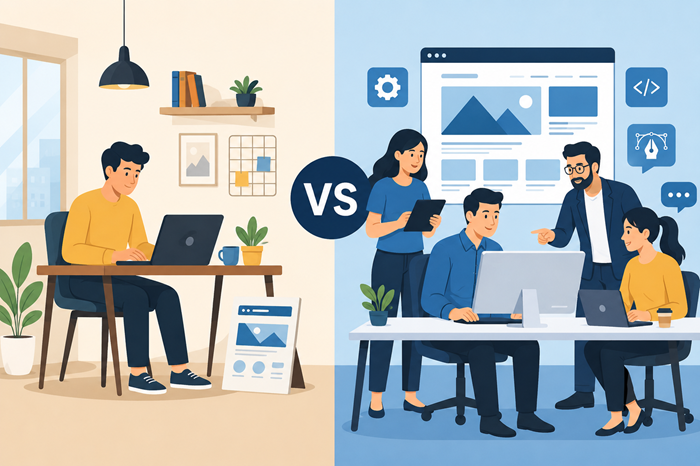
The average website design rate varies widely depending on whether you hire a freelancer or an agency. Freelancers generally offer lower pricing and direct communication, while agencies provide broader expertise and structured project management.
Rather than focusing solely on cost, evaluate the overall value, experience, deliverables, and long-term support each option provides.
Ultimately, the right choice depends on your project’s complexity, budget, growth plans, and preferred working style. By understanding the factors that influence pricing, you’ll be better equipped to select a design partner that aligns with your business goals and delivers measurable results.
Frequently Asked Questions
1. What is the average hourly rate for a website designer?
Most professionals charge between $50 and $150 per hour depending on experience and specialization.
2. Are freelancers cheaper than agencies?
Yes, freelancers generally have lower overhead costs and often charge less than agencies.
3. How much does a typical business website cost?
A professional business website can range from $1,500 to $15,000+ depending on scope and complexity.
4. Should I choose hourly or fixed-price website design?
Fixed pricing offers budget predictability, while hourly billing works well for flexible projects.
5. How do I find the right designer for my project?
Review portfolios, client testimonials, communication quality, and relevant industry experience.