
 September 25, 2025
User interface (UI) design has become more than just making apps and websites look good—it’s about creating an experience that feels natural, engaging, and user-friendly. With technology evolving rapidly, new UI trends are constantly emerging, helping brands stand out in a competitive digital space. Among these, dark mode, micro-animations, and a host of other design techniques are shaping the way users interact with digital platforms in 2025.
In this article, we’ll explore why these trends matter, how they impact user behavior, and which ones you should pay attention to if you want your website or app to stay relevant.
Why UI Trends Matter for Digital Experiences
UI trends aren’t just about aesthetics; they directly influence how people engage with digital products. A good UI can:
- Reduce bounce rates by keeping users engaged.
- Enhance accessibility for users with visual sensitivities.
- Build trust and credibility through clean, modern design.
- Support brand identity by reflecting the company’s tone and vision.
For businesses, staying updated with design trends is just as important as using the best graphic design software for beginners and professionals to create stunning visuals.
1. The Rise of Dark Mode
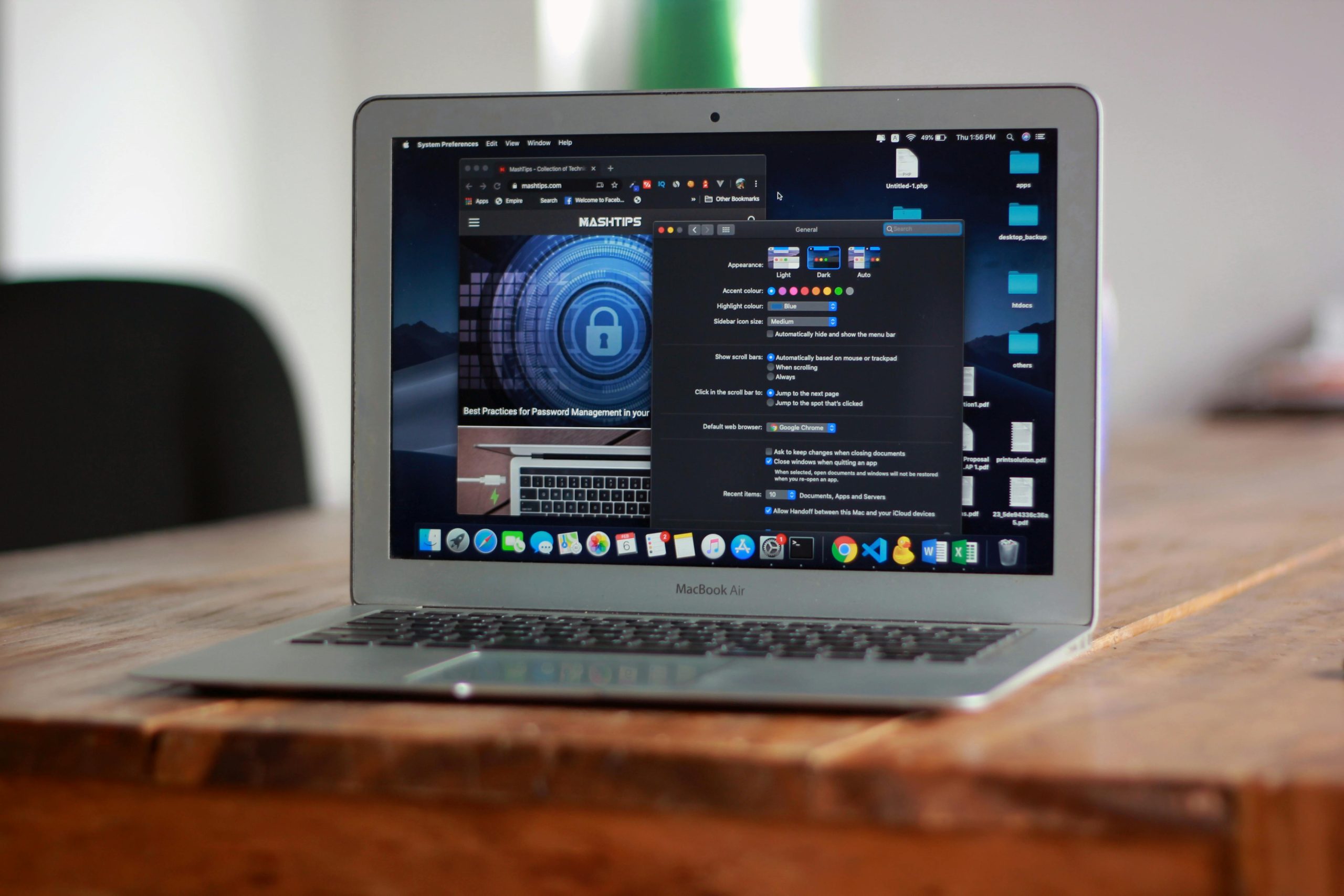
Dark mode has gone from being a “nice-to-have” to an expected feature across platforms. Apps like Instagram, Twitter, and even operating systems like iOS and Android have made it mainstream.
Why Users Love It
- Eye comfort: Dark backgrounds reduce eye strain, especially in low-light conditions.
- Battery efficiency: OLED screens use less energy when displaying dark colors.
- Aesthetic appeal: It gives a sleek, modern look that resonates with today’s minimalistic design preferences.
2. Micro-Animations: Small Details, Big Impact
Micro-animations are subtle design movements that guide users, provide feedback, or enhance delight. Think of a button that bounces slightly when clicked or a progress bar that animates smoothly.
Benefits of Micro-Animations
- Improve navigation by giving users visual cues.
- Create emotional engagement through playful design.
- Provide instant feedback on user actions (like submitting a form).
This is a trend where even small changes make a big difference in user satisfaction.
3. Minimalist Interfaces with Maximum Functionality
Minimalism in design isn’t about removing features; it’s about simplifying them. The focus is on clean layouts, clear typography, and intuitive navigation.
Why It Works
- Reduces distractions.
- Improves load times.
- Makes content the star of the interface.
This ties closely to CSS trends that are changing how we style the web, where modern styling techniques allow developers to balance minimalism with creativity.
4. Personalization Through AI-Powered Design
AI isn’t just powering chatbots—it’s also shaping UI. Personalization has become critical to keeping users engaged.
Examples include:
- Music apps tailoring interfaces to user preferences.
- Shopping platforms showing recommended items based on behavior.
- Websites adapting layouts to user browsing habits.
Personalized UI increases retention and helps brands stand out in crowded markets.
5. Voice User Interfaces (VUIs) Gaining Momentum
With the rise of Alexa, Siri, and Google Assistant, voice-driven interfaces are becoming an extension of UI design.
Why This Matters
- Hands-free convenience.
- Accessibility for visually impaired users.
- Integration with smart homes and IoT devices.
For businesses adopting smart technologies, understanding smart home bandwidth planning and user experience is essential.
6. Neumorphism: The Blend of Skeuomorphism and Flat Design
Neumorphism combines flat design with subtle shadows and highlights, creating interfaces that look soft and tactile. While not suitable for every app, it’s popular in niche designs like finance dashboards and personal productivity apps.
7. Inclusive and Accessible UI
Accessibility isn’t just a trend—it’s a necessity. Designers are prioritizing:
- High-contrast color schemes.
- Screen reader compatibility.
- Scalable text for readability.
Inclusive design ensures that digital experiences are usable for everyone, regardless of ability.
8. Bold Typography as a Design Statement
Big, bold fonts are making a comeback. They’re not just about readability—they’re being used as design elements. Instead of complex visuals, many interfaces are using typography to create impact.
9. Augmented Reality (AR) Interfaces
AR is slowly blending into everyday apps—from furniture shopping apps that let you preview items in your room to social media filters that transform user experiences.
Why It’s Growing
- Enhances engagement.
- Provides immersive interaction.
- Appeals to younger, tech-savvy audiences.
10. Sustainability in UI Design
Eco-conscious design is on the rise. Websites and apps are being optimized for energy efficiency, reduced data usage, and lighter digital footprints.
11. Micro-Interactions for E-Commerce
From hover effects on product images to animated checkout flows, micro-interactions are revolutionizing online shopping.
These elements not only improve the shopping experience but also reduce cart abandonment rates.
12. Cross-Platform Consistency
Users expect the same experience whether they’re on desktop, mobile, or a smart TV. This trend pushes designers to create consistent interfaces across all platforms without sacrificing usability.
13. Creative Use of Color Gradients
Gradients are back, but with more sophistication. They’re being used to add depth and create a sense of dynamism without overwhelming the design.
14. Cost Considerations for UI Design
For businesses, budget always plays a role in design. If you’re planning a redesign, it helps to know how much website designers charge per hour. Investing in good design upfront often saves costs in the long run by reducing user churn and support needs.
15. Full-Stack Development Supporting UI Innovation
Great UI requires solid development. With full-stack development enabling complete web apps, designers and developers can now collaborate more seamlessly, leading to faster, more innovative results.
Conclusion
Dark mode, micro-animations, and other UI trends aren’t just buzzwords—they’re shaping the way users interact with digital products today. From accessibility improvements to immersive AR features, these design choices are making apps and websites not just functional, but delightful.
For businesses and creators, keeping an eye on these trends is essential to stay competitive in the digital landscape. Whether you’re a small startup or an established brand, investing in thoughtful UI design will always pay off in user satisfaction and long-term growth.