
 July 22, 2025
In today’s fast-paced digital landscape, businesses want fast, responsive, and scalable web apps. That’s where full-stack development comes into play. It combines both front-end and back-end technologies, empowering developers to build robust, complete web applications from start to finish.
Whether you’re building a personal portfolio or a powerful SaaS product, understanding how to build a full-stack web app will set you apart in the tech world. Let’s explore the roadmap step-by-step.
🧱 Front-End vs. Back-End: What’s the Difference?
Before diving into the tech stack, you need to understand the roles of each layer:
- Front-end (client-side): Everything users see—HTML, CSS, JavaScript.
- Back-end (server-side): Where the logic happens—databases, APIs, authentication, server logic.
A full-stack developer bridges these layers, handling everything from database schemas to user interface design.
🌐 Step 1: Plan Your Web App Architecture
Before writing code, you need a blueprint. Decide:
- App features and goals
- User roles and access levels
- Type of web app (e.g., dynamic, static, PWA, JAMstack)
If you’re building a modern app with scalability in mind, consider learning about JAMstack architecture and how it’s changing the game for developers.
🎨 Step 2: Design the Front-End with Modern Tools
Your front-end sets the tone for user experience. Popular choices include:
- Frameworks: React, Vue.js, Angular
- Styling: Tailwind CSS, SASS, Bootstrap
- Build Tools: Webpack, Vite
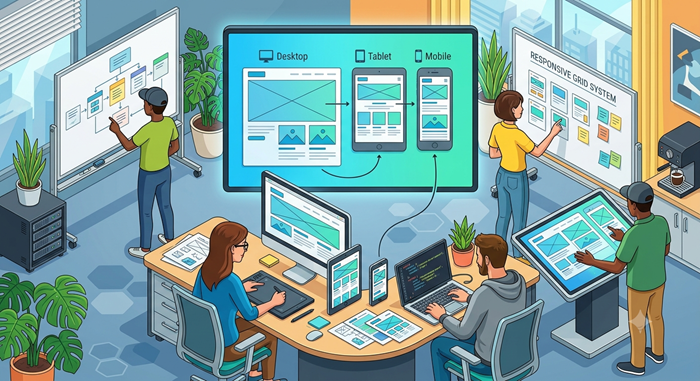
A sleek UI should be fast and responsive. Want to take it up a notch? Consider building a Progressive Web App (PWA) to make your app work offline and feel like a native mobile app.
🔐 Step 3: Build the Back-End – The Engine Room
The back-end handles data storage, business logic, and server-side rendering. Here’s how to get started:
- Languages: Node.js, Python (Django), PHP (Laravel), Ruby on Rails
- Databases: PostgreSQL, MongoDB, MySQL
- Authentication: OAuth, JWT, Session-based
Opt for frameworks that suit your language preference and project scope. Use RESTful APIs or GraphQL to enable communication between front and back ends.
⚙️ Step 4: Connect the Dots – API Integration
To bring both sides together, you need efficient APIs. REST is great for flexibility, while GraphQL provides more control over data queries.
Best practices:
- Use token-based authentication
- Validate all inputs on both server and client
- Optimize for performance
📈 Step 5: Focus on Website Speed and Performance
A slow app kills conversions. Make sure your app loads fast, especially on mobile.
Use optimization techniques such as:
- Lazy loading images
- Minifying scripts and styles
- Using a CDN
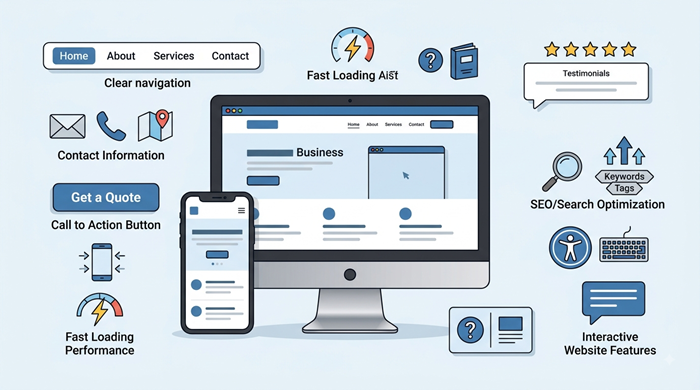
Learn more about how website speed and performance impacts SEO and user experience—and how to improve it.
🧪 Step 6: Test Everything Thoroughly
Don’t launch without testing! A full-stack app should be stress-tested for:
- Functional bugs (unit & integration tests)
- UI/UX glitches (manual and automated testing)
- Load capacity (using tools like Apache JMeter or Loader.io)
Testing is a non-negotiable step to ensure reliability.
🚀 Step 7: Deploy the Web App
Time to go live! Deployment tools and services include:
- Hosting: Vercel, Netlify, Heroku, AWS, DigitalOcean
- CI/CD Pipelines: GitHub Actions, Jenkins, GitLab CI
- Monitoring: LogRocket, New Relic, Sentry
Set up error tracking and performance monitoring from day one.
💼 Step 8: Price Your Services (If You’re Freelancing)
Built a complete web app? Now you’re ready to sell your skills.
Knowing how much to charge for website design can be tricky. Factors to consider include:
- Project complexity
- Timeline
- Revisions and support
- Market demand
Don’t undervalue your work—price for value, not just time.
🔁 Step 9: Maintain and Iterate
Your job doesn’t end after launch. Regular maintenance ensures:
- Bug fixes
- Security patches
- Performance improvements
- Feature upgrades
For clients, offering unlimited WordPress development or web support packages is a smart way to build recurring revenue.
📌 Final Thoughts: From Zero to Full-Stack Hero
Building a full-stack web application isn’t just a technical challenge—it’s a journey that sharpens every aspect of your development skills. From coding and architecture to deployment and marketing, each step helps you grow as a versatile developer.
So whether you’re building your own startup, freelancing for clients, or simply sharpening your skillset, mastering full-stack development will put you in high demand.