
 August 27, 2025
Gen Z — the generation born between the late 1990s and early 2010s — is quickly becoming one of the most influential consumer groups in the world. Unlike Millennials, who grew up adapting to digital technology, Gen Z has been digital-first from birth. This fundamental difference changes everything about how they interact with brands, consume content, and make purchasing decisions.
For companies aiming to stay relevant, understanding Gen Z branding and creating designs that connect with this generation is no longer optional — it’s essential.
Why Gen Z Matters for Brands
By 2030, Gen Z will account for a significant portion of global spending power. What makes them unique is not just their youth but also their expectations of authenticity, social responsibility, and personalization.
Unlike previous generations, Gen Z expects:
- Fast, mobile-first experiences across all platforms.
- Purpose-driven branding that aligns with their values.
- Creative, bold, and visually engaging designs.
In short, if a brand fails to resonate with Gen Z, it risks losing relevance in the years to come.
The Core of Design for Gen Z
So, what exactly does designing for Gen Z mean? It’s more than just bright colors and TikTok ads — it’s about crafting user experiences that feel genuine and interactive.
Here are the principles brands should focus on:
1. Authenticity Over Perfection
Gen Z is highly skeptical of polished, overly curated content. They prefer brands that show real people, real moments, and transparency. Campaigns that reveal behind-the-scenes processes or share unfiltered stories tend to build stronger trust.
2. Bold Visual Identity
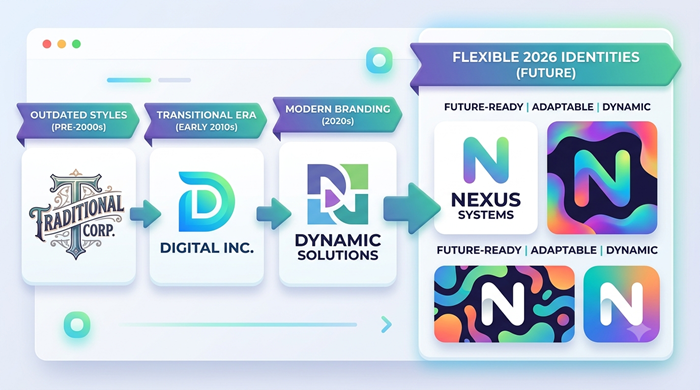
This is a generation raised on Instagram, YouTube, and TikTok. To stand out, brands must embrace bold typography, vibrant colors, and dynamic visuals. Static, corporate-looking branding often feels outdated to Gen Z.
3. Personalization and Co-Creation
Gen Z wants to be part of the conversation. They respond well to brands that invite participation, whether through interactive polls, customizable products, or campaigns that encourage user-generated content.
Youth Marketing Strategies That Work
Designing for Gen Z also means rethinking youth marketing strategies. Here are a few tactics that help brands connect:
- Platform-first campaigns: Instead of adapting one design to every platform, create unique content for TikTok, Instagram Reels, and even emerging platforms Gen Z uses.
- Micro-influencer partnerships: Gen Z trusts smaller creators more than big celebrities because they feel more relatable.
- Cause-driven design: Sustainability, inclusivity, and diversity aren’t just trends — they’re expectations. Brands that weave these values into their design show that they’re aligned with Gen Z priorities.
Real-World Examples of Gen Z Branding Done Right
- Nike continues to lead youth marketing with bold, inclusive campaigns that highlight real athletes and authentic stories.
- Glossier built a brand identity around minimalism and user-generated content, creating a community-driven feel that Gen Z loves.
- Spotify designs experiences that are not just personalized but also fun, like their annual “Wrapped” feature, which feels tailored to every user.
These examples prove that Gen Z branding is not just about aesthetics but about creating meaningful, participatory experiences.
The Role of Mobile-First Design
One of the most important things to note about Gen Z is their mobile-first behavior. Nearly all brand interactions happen through smartphones — from discovering products on TikTok to buying directly from social apps.
That means responsive website design, mobile-friendly eCommerce, and seamless in-app experiences are non-negotiable. Any friction in the mobile journey can cause Gen Z users to bounce instantly.
Looking Ahead: Designing for Gen Z in 2025 and Beyond
As technology evolves, Gen Z will continue to shape branding expectations. AI-powered personalization, immersive AR experiences, and community-driven platforms are all part of the future.
To succeed, brands must be agile, authentic, and visually daring while staying true to the values Gen Z cares about most.
Designing for Gen Z is about more than catching their attention — it’s about building brand authority online by showing that your company understands their values, lifestyle, and digital habits.
If your brand embraces authenticity, bold visual design, and purpose-driven messaging, you won’t just connect with Gen Z — you’ll earn their loyalty for years to come.