
 October 20, 2026
Link building is an important part of search engine optimization (SEO) that helps websites build authority, improve visibility, and attract relevant visitors. By earning links from trusted websites, businesses can strengthen their online presence, improve their chances of ranking for competitive keywords, and reach audiences beyond their existing customer base.
However, successful link building requires more than collecting backlinks. It involves creating valuable content, building genuine relationships, identifying relevant websites, and measuring the results of every campaign. Whether you manage a business website, run an SEO agency, or sell digital marketing services, understanding how link building works can help you make smarter decisions.
Key Takeaways
- Earn relevant backlinks through useful content, digital PR, and genuine relationships.
- Prioritize website quality, topical relevance, and editorial value over backlink quantity.
- Use ethical outreach methods and avoid paid link schemes that manipulate rankings.
- Track referring domains, qualified traffic, conversions, and overall SEO performance.
What Is Link Building in SEO?
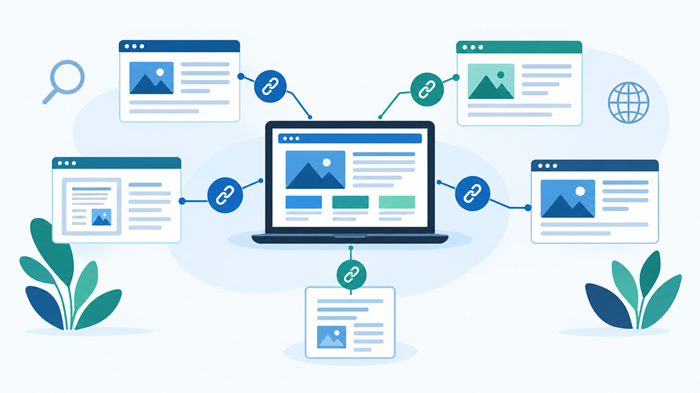
Link building is the process of earning hyperlinks from external websites that point to pages on your website. These links help search engines discover content and understand how pages relate to one another.
A backlink can also introduce your business to a new audience. For example, a construction company mentioned in a respected home improvement publication may receive referral traffic from readers looking for its services.
The value of a backlink depends on several factors, including the linking page’s relevance, the credibility of its website, the context of the link, and whether the link is editorially earned.
The objective is not to acquire the largest possible number of links. It is to build a credible online presence that supports long-term organic growth.
Why Is Link Building Important for SEO?
A well-planned link building campaign can support several business and search performance goals.
1. Strengthens Website Authority
Links from reputable, relevant websites can contribute to the signals search engines use to evaluate pages. Quality editorial links may help search engines recognize useful content within a particular subject area.
However, backlinks do not guarantee higher rankings. Search engines consider numerous signals, including content quality, relevance, page experience, and search intent.
2. Improves Content Discovery
External links can help search engines discover new pages, particularly when those pages are not easily accessible through existing internal links.
A website should still maintain a logical internal linking structure and submit an appropriate XML sitemap. Backlinks complement these practices rather than replace them.
3. Brings Relevant Referral Traffic
A link placed in a useful article can send visitors directly to your website. These readers may already be interested in your products, services, or expertise.
For businesses, relevant referral traffic can be more valuable than a large number of visits from an unrelated audience.
4. Builds Brand Credibility
Being referenced by respected industry publications, professional associations, and trusted resource websites can increase brand awareness.
This is one reason why backlinks remain important when businesses evaluate their broader organic growth strategy.
How to Do Link Building in SEO: 7 Practical Steps
A repeatable process helps businesses earn meaningful backlinks without wasting time on irrelevant prospects.
Step 1: Create Content Worth Linking To
Before contacting website owners, develop something genuinely useful that gives them a reason to reference your website.
Examples include:
- Original industry research and surveys.
- Detailed how-to guides and tutorials.
- Expert interviews and practical case studies.
- Free calculators, templates, and checklists.
- Useful statistics supported by credible sources.
- Visual resources that explain complicated subjects.
For example, a digital marketing company could publish an original report on small-business search trends. Industry bloggers might reference the findings when discussing online visibility.
Content should offer clear value to its intended audience. Publishing multiple similar articles solely to attract backlinks is unlikely to deliver the same benefits.
Step 2: Research Relevant Websites
Identify websites that publish content related to your industry, audience, or subject matter.
Look for industry publications, professional associations, complementary businesses, niche blogs, and established resource pages.
Evaluate potential prospects using these criteria:
- Topical relevance: Does the website serve an audience related to your business?
- Editorial quality: Does it publish original, well-maintained content?
- Audience fit: Could its readers reasonably benefit from your resources?
- Traffic quality: Does the website attract a meaningful, relevant audience?
- Link placement: Would a link appear naturally within useful content?
Do not rely on a single authority score. Third-party metrics are estimates, not official Google ranking factors.
Step 3: Analyze Competitor Backlinks
Competitor research helps reveal which websites link to businesses in your industry and which content attracts editorial attention.
Review several competitors and look for recurring patterns. A competitor may receive links from industry directories, expert interviews, educational resources, or original research.
Next, identify opportunities that match your own expertise and resources.
A competitor’s backlink profile is a source of ideas, not a checklist to copy. Some links may be irrelevant, outdated, or unsuitable for your website.
Step 4: Build a Personalized Outreach Campaign
Contact relevant website owners, editors, journalists, or content managers with a clear and useful proposal.
An effective outreach email should explain why you are contacting the recipient, reference their work accurately, and describe the specific value your content offers.
For example, a marketing consultant could contact an editor who recently published an article about small-business marketing and share original research that adds useful evidence to the discussion.
Avoid generic mass emails, misleading claims, and repeated follow-ups that disregard a recipient’s preferences. Genuine communication is more likely to support lasting professional relationships.
Step 5: Use Guest Contributions Strategically
Guest posting can introduce your expertise to another publication’s audience and create opportunities for relevant editorial references.
Choose publications that maintain meaningful editorial standards and serve readers who would benefit from your knowledge.
Write original contributions that address a specific audience need. Links to your website should make sense in context, rather than appearing solely to manipulate rankings.
Avoid large-scale guest posting campaigns built around keyword-rich anchor text or paid placements that pass ranking credit. Such practices can create search policy risks.
Step 6: Recover Unlinked Brand Mentions and Broken Links
Two practical opportunities often come from content that already exists.
Unlinked brand mentions: Search for articles that mention your company but do not link to your website. Contact the publisher and politely ask whether a relevant link would help readers find the original resource.
Broken link replacement: Find outdated or broken links on relevant websites. When your website contains a suitable alternative, explain the problem and offer your resource as a possible replacement.
Neither approach guarantees a backlink. The publisher decides whether the suggested link improves the page.
Step 7: Track Results and Improve Your Approach
Measure the performance of your campaign regularly instead of judging success by the number of links acquired.
Monitor referring domains, newly earned links, relevant referral visits, organic landing-page performance, qualified leads, and conversions.
Use Google Search Console to examine search performance and referral analytics to understand visitor behavior. Backlink analysis platforms can help identify new links, lost links, and changes in competitor profiles.
Review results monthly or quarterly, depending on campaign size. Use the findings to refine prospect selection, content formats, and outreach messages.
Essential Link Building Strategies for Buyers and Sellers
Link building involves two sides of a transaction: businesses seeking visibility and publishers deciding which resources deserve attention.
For Buyers: Choosing the Right Opportunities
Businesses investing in backlinks should evaluate the potential value of each placement rather than purchasing links based on volume alone.
Before engaging a provider, ask for its outreach process, prospect selection criteria, reporting format, content standards, and policies on sponsored placements.
Understand whether the proposed campaign focuses on genuine editorial coverage, useful partnerships, or paid placements. Buying links intended to manipulate search rankings can violate Google’s spam policies, even when the seller promises quick results.
Companies comparing b2b link building services with transparent pricing should also assess deliverables, communication standards, and the relevance of the proposed websites.
For Sellers: Creating Valuable Publishing Opportunities
Publishers and website owners should prioritize their readers when evaluating backlink requests.
Accept contributions that add expertise, answer relevant questions, or provide reliable evidence. Review claims, verify sources, and reject content that exists primarily to promote unrelated businesses.
Commercial relationships should be disclosed appropriately. Paid links should use suitable attributes, such as rel="sponsored" or rel="nofollow", in accordance with search engine guidance.
A strong publishing policy protects audience trust and reduces the risk of becoming part of a manipulative link network.
Useful Tools for Managing Link Building Campaigns
The right tools can make prospect research, backlink monitoring, and outreach more efficient.
Common options include:
- Google Search Console: Review search performance and identify pages that attract organic visibility.
- Ahrefs: Analyze backlink profiles, referring domains, and competitor link opportunities.
- Semrush: Research competitors, investigate backlink gaps, and organize campaign data.
- Google Alerts: Monitor selected brand names and industry topics for potential mentions.
- Hunter: Find publicly available professional contact information for relevant outreach prospects.
These link building tools support research and organization, but they cannot replace editorial judgment. Always review websites manually before approaching them.
Common Link Building Mistakes to Avoid
Even well-funded campaigns can underperform when they focus on the wrong objectives.
Prioritizing quantity over quality: Hundreds of irrelevant links are not necessarily more useful than a small number of meaningful editorial references.
Buying manipulative backlinks: Paid link schemes, private blog networks, and automated link exchanges can create search policy risks.
Using repetitive exact-match anchors: Excessive keyword-rich anchor text may look unnatural and can indicate an attempt to manipulate rankings.
Ignoring content quality: Outreach rarely compensates for pages that offer little value to readers.
Expecting immediate rankings: SEO performance depends on multiple factors, and backlink acquisition does not guarantee a specific ranking or timeline.
Failing to measure business outcomes: A campaign should support relevant visibility, audience engagement, or conversions—not simply produce impressive-looking reports.
Understanding the relevancy of link building in SEO helps businesses focus on sustainable methods rather than shortcuts.
How to Choose a Link Building Agency or Service Provider
Hiring external specialists can be useful when a business lacks the time, expertise, or resources to manage outreach internally.
A reliable provider should explain its methods clearly, identify the types of websites it targets, and provide understandable reports. It should also be willing to discuss risks instead of promising guaranteed rankings.
Ask potential providers how they evaluate relevance, develop content, handle publisher relationships, and report campaign progress. Request examples of their process rather than relying exclusively on testimonials or headline metrics.
Businesses can also compare the cost to hire an seo expert with the expense of outsourcing specific campaign activities.
The best choice depends on your budget, internal capabilities, business objectives, and expectations for reporting.
How Ducky Unlimited Supports Digital Marketing Growth
Ducky Unlimited provides digital marketing services designed to help businesses strengthen their online presence through cost-effective strategies. Our services can be explored by businesses looking for practical support with website visibility, content, and broader digital marketing goals.
For companies evaluating an external partner, the unlimited web design offering is another place to explore website-related support alongside their marketing priorities. A well-structured, user-friendly website can complement organic acquisition efforts by giving visitors a clear path from discovery to conversion.
Frequently Asked Questions
1. How long does link building take to show results?
Results vary by website, competition, content quality, and campaign execution, so measurable improvements may take weeks or months.
2. How many backlinks does a website need?
There is no universal target; focus on relevant, credible links that support your pages and business objectives.
3. Is link building still important for SEO?
Yes, relevant editorial backlinks can support discovery, credibility, and search visibility, although they do not guarantee rankings.
4. Are paid backlinks safe for SEO?
Paid links intended to manipulate rankings can violate search spam policies; qualifying sponsored links appropriately helps distinguish advertising from editorial endorsements.
5. Can a business do link building without an agency?
Yes, businesses can manage research, content creation, and outreach internally, provided they have the necessary time and expertise.
Conclusion
Effective link building starts with valuable content, relevant prospects, genuine relationships, and consistent measurement. Businesses should focus on earning editorial references that help readers, while publishers should protect their audiences by maintaining clear quality standards.
A sustainable approach combines useful resources, personalized outreach, competitor research, and transparent reporting. Rather than chasing quick wins, invest in relationships and content that continue to provide value over time.