
 August 29, 2025
In digital marketing, your landing page is more than just a webpage—it’s the point where interest turns into action. Whether you’re capturing leads, promoting a product, or driving sign-ups, a well-structured landing page can make or break your campaign. With competition growing online, businesses must focus on landing page design that balances visuals, messaging, and functionality to achieve higher conversion rates.
The Foundation of a High-Converting Landing Page
Before diving into design tips, it’s important to understand what makes high-converting landing pages effective. The best pages share three key elements:
- Clarity: Visitors should instantly understand your offer.
- Focus: A single goal or call-to-action (CTA) without distractions.
- Trust: Signals such as testimonials, security badges, or case studies that build credibility.
Once these foundations are in place, conversion optimization becomes a matter of refining design and content.
Tip 1: Craft a Clear and Compelling Headline
Your headline is the first thing visitors see—and often the deciding factor in whether they stay. A strong headline should highlight your value proposition, be benefit-driven, and connect emotionally with your audience.
For example, instead of “Sign Up for Our Newsletter,” try “Get Exclusive Growth Hacks Straight to Your Inbox.” This simple shift transforms your offer into a benefit.
Tip 2: Simplify the Layout
Minimalism wins when it comes to landing page design. Cluttered layouts with too many choices can overwhelm visitors. Keep your design clean with plenty of white space, a clear hierarchy of information, and an intuitive flow from headline to CTA.
Tip 3: Use High-Impact Visuals
Humans process visuals faster than text, making images and videos powerful tools for persuasion. Showcase product photos, demo videos, or infographics that reinforce your message. Just ensure your visuals support the CTA instead of distracting from it.
Tip 4: Optimize Your Call-to-Action
Your CTA is the ultimate goal of the page. It should stand out with contrasting colors, action-oriented text, and strategic placement. Avoid vague CTAs like “Submit”—instead, use copy such as “Start My Free Trial” or “Get My Quote Today.” The more specific, the better.
Tip 5: Build Trust with Social Proof
Trust is a cornerstone of conversion optimization. Add testimonials, star ratings, case studies, or logos of well-known clients. Including trust badges like “Secure Checkout” or “Money-Back Guarantee” also reassures visitors that your brand is reliable.
Tip 6: Focus on Mobile Responsiveness
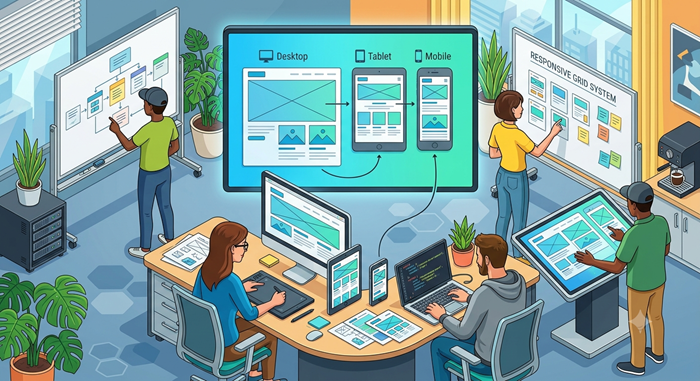
With mobile traffic dominating, high-converting landing pages must perform flawlessly on smartphones. Buttons should be thumb-friendly, text easy to read, and load times lightning-fast. Even a two-second delay in mobile loading can drastically reduce conversions.
Tip 7: Leverage A/B Testing for Optimization
Conversion optimization isn’t one-and-done—it’s ongoing. Run A/B tests on headlines, CTAs, colors, and even images. Small tweaks often lead to significant gains in ROI. Data-driven design ensures your landing page evolves with audience behavior.
Bonus Tip: Limit Form Fields
If your goal is lead generation, keep forms short. Asking for too much information upfront can drive users away. Start with essentials like name and email, then nurture leads over time to collect more details.
The ROI of Great Landing Page Design
Investing in landing page design is not just about aesthetics—it directly impacts your bottom line. High-converting landing pages mean lower ad spend waste, better lead quality, and stronger revenue growth. Every design decision should tie back to your primary conversion goal.
Designing for Action
A successful landing page blends creativity, psychology, and data. By implementing strategies like compelling headlines, clear CTAs, trust signals, and mobile optimization, you’ll create high-converting landing pages that drive measurable results.
At Ducky Unlimited, we believe design should be more than beautiful—it should deliver business outcomes. The future of conversion optimization lies in smart design choices, continual testing, and always keeping the user journey in mind.