
 September 8, 2026
A minimalist website can make a powerful first impression without relying on complicated animations, excessive graphics, or crowded layouts. When done well, simplicity makes the work easier to understand and gives visitors a clear path through the experience. That is why studying minimalist web design portfolio examples can be especially useful for designers, agencies, freelancers, and businesses looking to improve their online presence.
A successful portfolio should do more than display attractive screenshots. It should communicate design thinking, demonstrate problem-solving skills, build credibility, and make it easy for potential clients to take the next step.
Key Takeaways
- Minimalist design creates clarity by removing unnecessary visual distractions.
- Strong portfolio projects should demonstrate both creativity and practical problem-solving.
- Case studies, consistent presentation, and easy navigation can improve client confidence.
- Ducky Unlimited combines professional design with practical digital solutions for businesses.
Why Minimalist Portfolio Design Works
A well-designed web design portfolio does not need to overwhelm visitors with information. Instead, it should guide them toward the most important projects, services, and information.
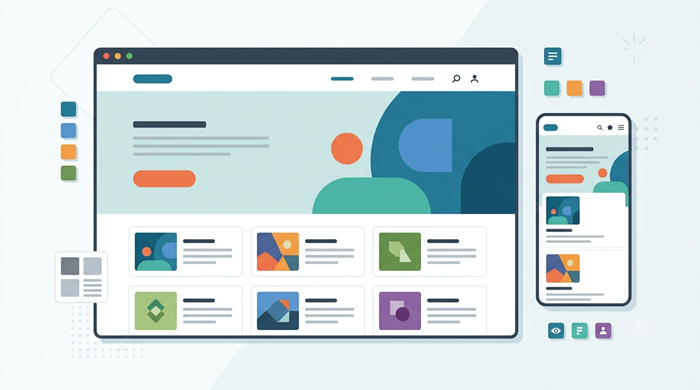
Minimalism works because it creates visual breathing room. White space, restrained typography, simple navigation, and carefully selected imagery allow visitors to focus on the actual work.
For potential clients, this clarity can make a major difference. They usually want to understand what you can do, what industries you have worked with, and whether your approach fits their business.
A clean portfolio makes those answers easier to find.
What Makes a Minimalist Portfolio Stand Out?
A memorable web design portfolio is usually built around a few important elements rather than dozens of visual effects.
Clear Visual Hierarchy
Every page should have a logical order. Headlines should introduce the subject, project images should support the story, and calls to action should be easy to identify.
Typography, spacing, image sizes, and positioning can all help establish this hierarchy.
Carefully Selected Projects
Showing every project you have completed is not always the best strategy. A smaller collection of relevant work can communicate your expertise more effectively.
Choose projects that demonstrate different capabilities, industries, design challenges, or technical requirements.
Strong Case Studies
Screenshots can attract attention, but context creates credibility. Explain the client’s challenge, your role, the approach you took, and the outcome.
Even when exact business results cannot be shared, explaining the reasoning behind your decisions can make a project significantly more valuable.
Consistent Presentation
Consistency helps visitors move through a portfolio naturally. Project thumbnails, headings, descriptions, image treatments, and navigation should feel like parts of the same visual system.
This does not mean every project needs to look identical. Instead, the overall presentation should feel intentional and professional.
Web Design Portfolio Examples Worth Studying
When reviewing web design portfolio examples, look beyond colors and visual effects. Pay attention to how each designer introduces their work and communicates value.
Some portfolios use oversized typography and large project images. Others rely on compact grids, neutral backgrounds, and simple navigation. Both approaches can work when the structure supports the content.
A useful portfolio example should help you understand why a particular design decision works, rather than simply giving you something attractive to copy.
For designers interested in branding and visual presentation, reviewing a graphic web design portfolio can also provide useful ideas for combining typography, imagery, layout, and identity.
How to Create a Web Design Portfolio That Feels Professional
Understanding how to create a web design portfolio starts with defining what you want the portfolio to accomplish.
Begin by identifying your ideal clients and the type of projects you want to attract. A designer targeting technology companies may emphasize interfaces and web applications, while a designer working with service businesses may focus on websites, landing pages, branding, and conversion-focused layouts.
Next, organize your strongest projects around that positioning.
Each project should answer a few basic questions:
- What problem did the client have?
- What was your role?
- What approach did you take?
- What did the final solution look like?
- What changed as a result?
Keep the answers concise. Visitors should be able to understand the project without reading a lengthy technical explanation.
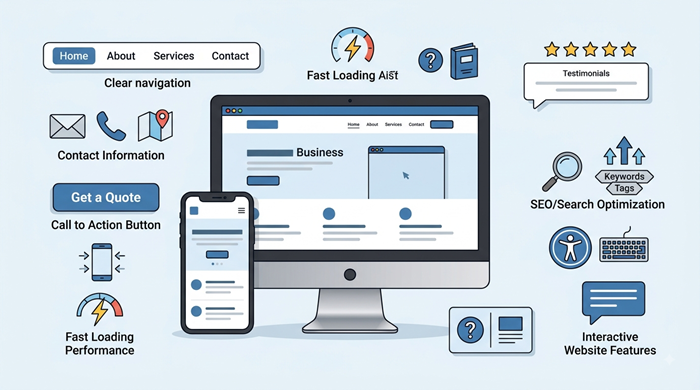
Navigation also matters. A simple structure such as Home, Work, About, Services, and Contact is often enough. Additional pages should only be included when they provide meaningful information.
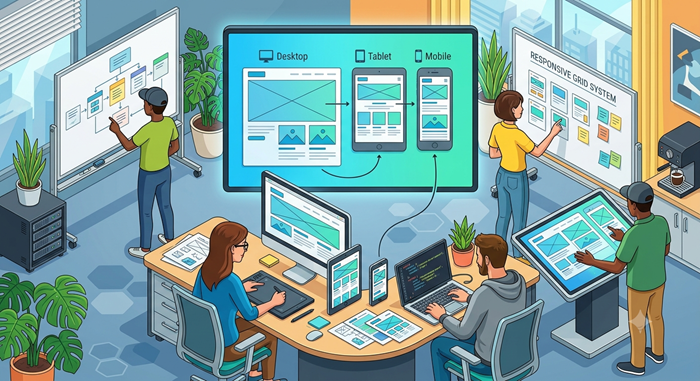
Finally, test the site across desktop, tablet, and mobile devices. A portfolio that looks excellent on a large monitor can lose its impact if the mobile experience is difficult to navigate.
Choosing the Right Web Design Portfolio Templates
Web design portfolio templates can provide a useful starting point, especially for freelancers or small teams that want to launch quickly.
However, a template should be treated as a framework rather than a finished website. Replace generic images, adjust typography, reorganize sections, and adapt the content to your target audience.
The strongest web design portfolio websites feel distinctive even when they begin with a standard layout.
Avoid adding sections simply because the template includes them. If a section does not help explain your work or move visitors toward contacting you, it may not belong on the final site.
Finding Better Web Design Portfolio Inspiration
Good web design portfolio inspiration comes from understanding the decisions behind successful websites.
Instead of only asking whether a website looks attractive, consider why its navigation is structured in a particular way. Look at how projects are grouped, how much information appears above the fold, how case studies are written, and where calls to action appear.
You can also compare portfolios from designers working in different industries. This can reveal how the same principles of hierarchy, usability, and storytelling can be adapted to different audiences.
For a broader research process, finding the best web design portfolio resources can help you discover different approaches and identify patterns worth applying to your own work.
How Ducky Unlimited Creates Better Digital Experiences
Ducky Unlimited takes a practical approach to design by focusing on websites and digital experiences that are visually polished while still supporting real business objectives.
For businesses, professional design is not simply about making a website look modern. The site needs to communicate the brand clearly, organize information effectively, work across devices, and give visitors an obvious path toward taking action.
Ducky Unlimited can help businesses develop or improve their online presence with flexible design solutions. For organizations with ongoing creative requirements, unlimited web design can provide a practical way to manage continuing website and digital design needs without treating every update as an entirely separate project.
Our Agency Examples
Our agency examples include:
My Easy Fix,
Internet for Business,
Cedrit,
By-Brothers.
These examples represent different business needs and demonstrate how website structure, visual presentation, content organization, and functionality can be adapted to different audiences while maintaining a professional digital experience.
Turning Portfolio Inspiration Into Business Results
A web design portfolio should ultimately answer an important question: why should a potential client trust you with their project?
The answer becomes stronger when design work is connected to real business objectives.
For example, a redesign might make a company’s services easier to understand. A new landing page might create a clearer path for visitors. A simplified interface might make a complicated process easier to use.
These details show that design is not just decoration. It is a business tool.
For designers, this means every project should demonstrate more than visual ability. It should show how you think, communicate, solve problems, and make decisions.
For businesses, it means choosing a design partner who understands the connection between appearance, usability, content, and commercial goals.
Common Minimalist Portfolio Mistakes
One of the biggest mistakes is trying to show everything.
Your portfolio should be curated rather than treated as an archive. If ten projects look similar, visitors may not gain much from seeing all ten.
Another problem is relying too heavily on mockups. Device mockups can make presentation attractive, but visitors should also be able to see the actual interface and understand what was created.
Weak project descriptions can also reduce the impact of otherwise excellent work. Instead of saying that a project was “modern and innovative,” explain the actual challenge and the solution.
Minimalism can also go too far. A clean design should not become an empty design. Visitors still need enough information to understand your expertise, services, projects, and next step.
Building a Stronger Portfolio Over Time
A web design portfolio should evolve as your experience grows.
Review your projects periodically and remove work that no longer represents the type of clients you want to attract. Replace it with newer projects that demonstrate stronger skills or more relevant experience.
Your case studies should also improve over time. Add measurable outcomes where possible, explain important design decisions, and show different stages of the process when they add value.
For designers who want to expand their project ideas, exploring ten impressive web app ideas that can elevate your portfolio can provide additional directions for creating meaningful work.
Building a Stunning Portfolio Faster
A professional portfolio does not have to take months to complete.
Start with a focused structure, choose your strongest projects, write concise case studies, and use a consistent visual system. Once the foundation is ready, you can continue refining the details.
Designers who want a more efficient approach can also explore building a stunning web design portfolio faster with Ducky Unlimited for practical ideas on organizing and presenting their work.
The objective should always be quality rather than quantity.
A smaller, carefully structured portfolio can create a stronger impression than a large collection of unfinished or unrelated projects.
What Makes a Creative Portfolio More Effective?
A creative web design portfolio becomes more effective when creativity is supported by structure.
Unique typography, interesting layouts, bold imagery, subtle animation, and experimental interactions can all add personality. However, these elements should never make navigation confusing or hide important information.
The best creative work balances personality with usability.
That balance is particularly important for businesses. They need a website that feels distinctive enough to represent their brand while remaining clear enough for customers to understand the company’s products or services.
Final Thoughts
A minimalist web design portfolio is not about using fewer elements simply for the sake of simplicity. It is about making every element work harder.
Strong typography, thoughtful spacing, relevant projects, concise case studies, and intuitive navigation can create an experience that feels polished without becoming complicated.
For designers, this approach can make skills easier to understand and projects easier to remember. For businesses, it demonstrates the value of working with a design team that understands both aesthetics and practical objectives.
Ducky Unlimited brings these principles together by helping businesses create professional digital experiences that are clear, flexible, and aligned with their goals.
The strongest portfolio is ultimately not the one with the most effects or the largest number of projects. It is the one that communicates value clearly and gives visitors a reason to take the next step.
Frequently Asked Questions
What is a minimalist web design portfolio?
A minimalist portfolio presents selected design work through clean layouts, simple navigation, purposeful visuals, and clear content.
How many projects should a portfolio include?
Three to six high-quality and relevant projects are generally enough to demonstrate your capabilities effectively.
Are web design portfolio templates useful?
Yes, templates can speed up development, but customizing them is important for creating a distinctive and professional result.
What should a portfolio case study include?
A case study should explain the client’s challenge, your role, design approach, solution, and relevant results.
Can Ducky Unlimited help businesses with website design?
Yes, Ducky Unlimited provides flexible web design solutions designed to help businesses build stronger digital experiences.