
 August 27, 2025
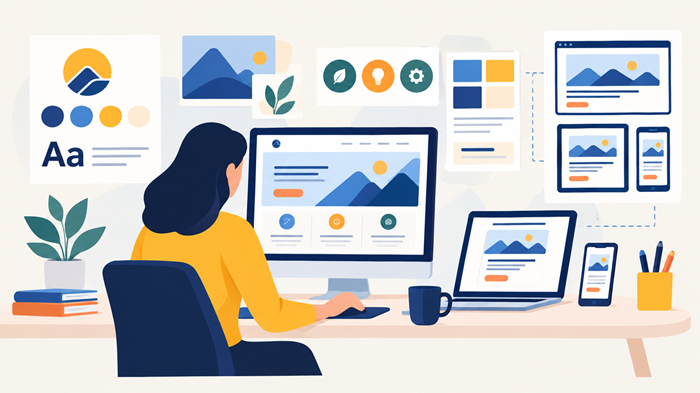
If you’re a designer, you know that time is just as valuable as creativity. Whether you’re juggling client deadlines, managing multiple projects, or polishing your personal portfolio, the tools you use can make or break your productivity. That’s where plugins and design resources come in—they’re not just handy add-ons but real time-savers that can completely transform the way you work.
In this guide, we’ll explore some of the top plugins and resources to speed up your design workflow, while also diving into strategies that keep you creative and efficient.
Why Plugins and Resources Matter for Designers
Design is no longer just about skill—it’s also about efficiency. With endless revisions, client requests, and the demand for quick turnaround times, you need more than just talent; you need tools that streamline your process.
Think of plugins as shortcuts: instead of reinventing the wheel, you’re using pre-built functionality that lets you focus more on creativity and less on repetitive tasks.
Essential Plugins Every Designer Should Have
1. Color Palettes and Management Tools
Choosing the right color scheme can eat up hours. Plugins like Coolors or Adobe Color help you generate palettes instantly, making it easier to stick with consistent branding.
Speaking of branding, understanding the role of consistency is critical. This post on the power of consistent branding explains how staying true to your visual identity can save time and keep your work polished.
2. Typography and Font Plugins
Finding the perfect font shouldn’t be a rabbit hole. Plugins like Google Fonts or Font Ninja help you quickly explore, preview, and apply typefaces without leaving your design platform.
3. Stock Image and Icon Libraries
Instead of searching endlessly online, plugins like Unsplash, Pexels, or IconScout integrate directly into design software. This saves hours of browsing and keeps your workflow uninterrupted.
4. Grid and Layout Generators
Setting up a clean layout is crucial for professional results. Plugins like Griddy or Layout Grid make it simple to establish columns and grids, cutting down prep time on new projects.
Resources That Transform Your Workflow
Design Software That Works for You
Your foundation matters. Using the right platform means you can take full advantage of plugins and extensions. If you’re still figuring out the best tools for your skill level, check out this guide on the best graphic design software for beginners and professionals.
Subscription-Based Design Services
Sometimes you don’t need to do everything yourself. Subscription-based design solutions are changing the way small businesses approach creativity. With unlimited requests for a flat fee, you can offload repetitive design work and focus on strategy. Learn more in this post about how subscription-based graphic design is revolutionizing small businesses.
Inspiration and Template Libraries
When you’re stuck on a project, inspiration libraries like Dribbble, Behance, and Template marketplaces can give you a quick boost. They not only spark ideas but also help you deliver faster by using pre-designed assets.
For a more in-depth look at standing out visually, check out this article on designing websites that set you apart.
How Plugins Save You Hours of Work
Here’s a breakdown of how plugins optimize your workflow:
- Automating Repetitive Tasks: No more manually resizing images or generating mockups.
- Keeping You Organized: File organization, asset libraries, and quick exports save mental load.
- Speeding Up Collaboration: Plugins like Zeplin or Figma integrations help teams share assets without confusion.
- Ensuring Consistency: With reusable styles and templates, you avoid brand mismatches.
Tips for Choosing the Right Plugins
Not every plugin will suit your workflow. Here are some things to consider:
- Compatibility: Does it work with your preferred design software?
- Ease of Use: A plugin should simplify, not complicate.
- Community Support: Popular plugins with strong communities often get better updates.
- Pricing: Free options can go a long way, but sometimes premium plugins are worth the investment.
Building a Streamlined Design Workflow
A smart design workflow isn’t just about tools—it’s about how you use them. Here’s a sample process:
- Start with a mood board and brand guidelines.
- Use color and font plugins to lock in design identity.
- Pull inspiration and assets directly from integrated libraries.
- Build layouts using grid generators.
- Save templates for future projects.
By following this structure, you’ll avoid wasting time on repetitive steps and keep your energy focused on creative problem-solving.
Final Thoughts
In today’s fast-paced design world, the right plugins and resources can be game-changers. They don’t replace creativity, but they free up your time so you can channel your energy into what matters most—designing meaningful, eye-catching work that gets results.
If you haven’t already, start experimenting with plugins today. With the right mix of software, resources, and workflow strategies, you’ll cut hours off your projects and deliver with confidence.