
 September 9, 2025
your website is often the very first impression customers get of your business. For local businesses in the U.S., that impression can be the difference between a customer walking through your door or clicking over to a competitor. A website isn’t just a digital business card—it’s your storefront, your pitch, and your trust signal all rolled into one.
Understanding the U.S. Market for Local Businesses
Consumers in the U.S. have high expectations when it comes to local business websites. They want quick access to information, seamless navigation, and a clear reflection of your brand’s identity. If your site feels outdated, difficult to use, or lacking in authenticity, potential customers may assume your services are the same.
Key Principles of Effective Local Business Website Design
According to the key principles of effective web design, three pillars stand out: simplicity, accessibility, and consistency. A cluttered site overwhelms users, while a clean design with intuitive navigation makes visitors feel at ease. Keep your branding—logos, colors, fonts—consistent across every page to build recognition and trust.
Modern Website Design Elements That Attract Customers
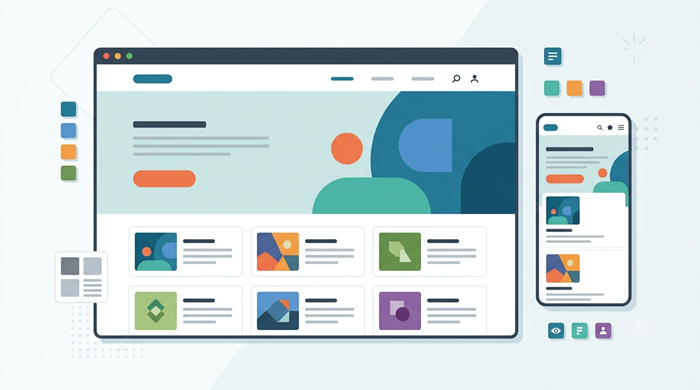
Modern customers value a sleek and functional design. Fast-loading pages are crucial because no one waits for a site to buffer anymore. And with mobile-first usage dominating, your design should prioritize smaller screens without compromising aesthetics. Clean layouts with white space help guide the eye, keeping the experience stress-free.
Creating a Unique Brand Identity Online
Your website should tell your story. Use authentic imagery of your staff, products, or even your community to make the experience relatable. Generic stock photos don’t resonate with today’s consumers. Remember, colors aren’t just design choices—they evoke emotion. Blue builds trust, red triggers urgency, and green conveys growth.
Top 10 Must-Have Elements for a Local Business Website
As highlighted in top 10 must-have elements for a modern website, certain features are non-negotiable:
- A compelling homepage
- An engaging About page
- Service/product clarity
- Visible contact info
- Customer reviews
- Clear calls-to-action
- SEO-friendly structure
- Regularly updated blog
- Maps and directions
- Security badges
Together, these elements create credibility and drive conversions.
From Concept to Launch: Building a Website That Converts in 2025
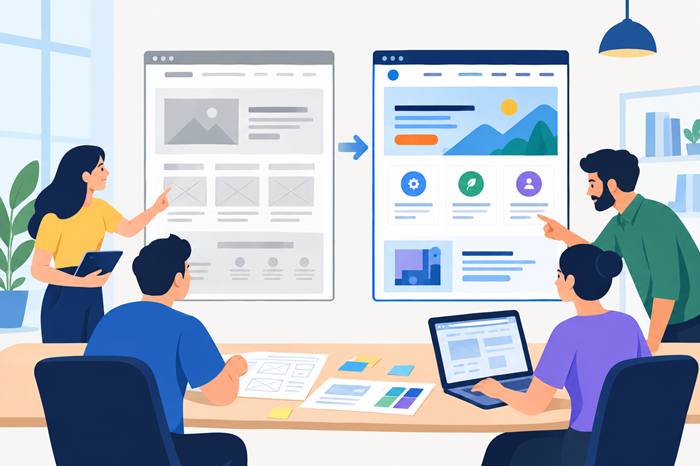
Launching a successful site takes planning. The concept-to-launch process starts with identifying your target audience, mapping customer journeys, and choosing a design that speaks to them. Avoid common pitfalls like slow loading times, overcomplicated forms, and unclear calls-to-action.
Designing Websites That Set You Apart from Competitors
Standing out requires more than a cookie-cutter template. Insights from design websites that set you apart emphasize competitor research and personalized features. Whether it’s interactive booking tools, customer testimonials, or engaging visuals, your site should highlight what makes your business unique.
The Role of SEO in Local Business Websites
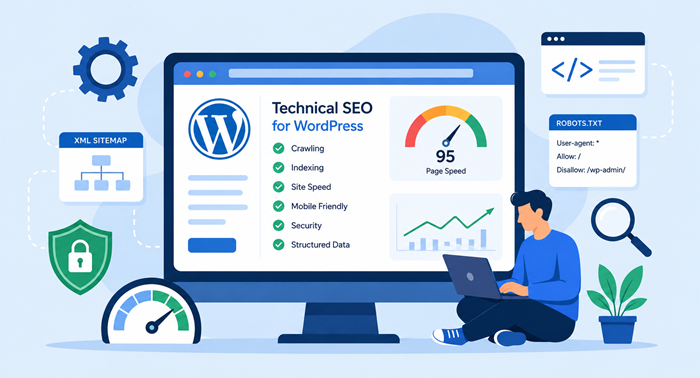
SEO ensures your site isn’t just beautiful but also discoverable. Local SEO strategies like optimizing Google Business Profiles and adding geo-targeted keywords can put you ahead in search results. With voice search becoming popular, optimizing for conversational queries is also a game-changer.
User Experience and Customer Engagement
User experience (UX) is the bridge between design and conversions. Adding interactive tools, chatbots, or FAQs makes visitors feel supported. The smoother the journey, the more likely they’ll convert into paying customers.
Content Strategy for Local Websites
A blog builds authority while showing your brand’s personality. Share insights, local events, or customer stories to connect with your audience. Content humanizes your business and demonstrates expertise.
Measuring Success: Analytics and Conversion Tracking
Don’t just launch and forget. Track performance using tools like Google Analytics. Monitor bounce rates, time spent on site, and conversion goals to ensure your design and content are working.
Trends in Web Design for Local Businesses
Emerging trends include AI-driven personalization, where users see content tailored to them, and a stronger emphasis on accessibility for all users. Minimalist design is also on the rise—stripping out distractions while focusing on performance and usability.
Future-Proofing Your Website
Websites need maintenance to stay effective. Regular updates keep them secure, while scalable designs ensure they can grow with your business. Future-proofing means investing today to avoid costly rebuilds tomorrow.
Conclusion
A well-designed website is no longer optional—it’s the lifeblood of local business success in the U.S. By focusing on design principles, modern elements, SEO, and storytelling, your business can build a site that doesn’t just look good but also delivers results.