
 June 26, 2026
When planning a new website, many business owners focus on the final quote without fully understanding what goes into it. While comparing estimates is a smart first step, the biggest surprises often come from the hidden factors that influence website design pricing behind the scenes.
A beautiful website is much more than an attractive layout. Strategy, user experience, technical development, branding, content, and ongoing revisions all contribute to the overall investment. Understanding these often-overlooked elements helps you make informed decisions, avoid unexpected expenses, and choose the right partner for your project.
Why Website Quotes Can Vary So Much
If you’ve collected multiple proposals for the same project, you’ve probably noticed dramatically different price ranges. That doesn’t necessarily mean one provider is overcharging or another is cutting corners.
Every project has unique requirements, and many costs remain invisible until planning begins. Knowing what affects pricing allows you to compare proposals based on value instead of just the number at the bottom of the estimate.
If you’re evaluating project budgets, reviewing custom website design pricing can provide a helpful benchmark for understanding what’s typically included in professional web design packages.
Project Discovery Often Determines the Final Cost
Strategic Planning Before Design Begins
Many clients expect designers to jump directly into creating mockups. In reality, experienced professionals spend significant time learning about your business goals, audience, competitors, and conversion objectives.
This discovery phase lays the foundation for a successful website. Skipping it may lower the initial quote, but it often leads to revisions, missed opportunities, and expensive changes later.
Research Adds Long-Term Value
Professional research includes:
- Competitor analysis
- Audience research
- Website architecture planning
- User journey mapping
- Content planning
Although these tasks happen behind the scenes, they significantly improve website performance.
Custom Design Requires More Than Attractive Graphics
Many people assume design simply means choosing colors and fonts. In reality, quality visual design involves balancing branding, usability, accessibility, and conversion optimization.
A professional approach to website graphic design ensures every visual element supports your business objectives while maintaining consistency across every page.
The more customized the experience, the more time designers invest refining layouts, testing ideas, and improving usability.
Content Preparation Is Frequently Underestimated
Content rarely arrives ready for publication.
Businesses often discover they need to:
- Rewrite service pages
- Create new landing pages
- Organize navigation
- Optimize headlines
- Prepare calls to action
- Source professional imagery
When agencies assist with these tasks, project timelines and budgets naturally increase.
Responsive Design Requires Additional Work
Today’s websites must perform seamlessly across desktops, tablets, and smartphones.
Each screen size requires careful adjustments to:
- Navigation
- Images
- Typography
- Spacing
- Interactive elements
- Conversion forms
Designing for multiple devices is far more involved than simply shrinking a desktop layout.
Functionality Can Increase Complexity Quickly
Adding advanced features often affects both development time and testing requirements.
Examples include:
- Appointment booking
- Customer portals
- Membership systems
- Online calculators
- Interactive maps
- Multi-step forms
- Ecommerce functionality
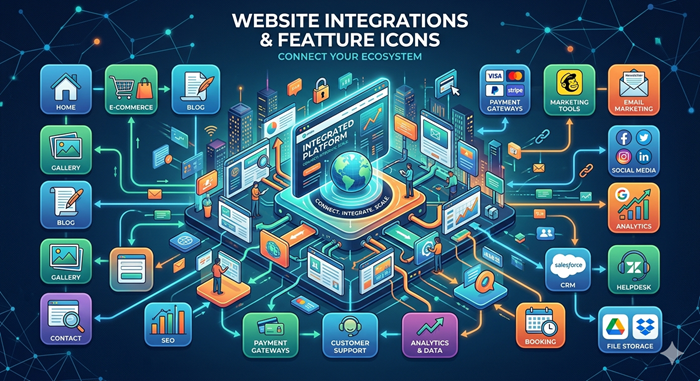
- Third-party integrations
Even seemingly small features may require significant custom development.
SEO Preparation Starts During Design
Search engine optimization isn’t something that happens after launch.
Professional websites are typically built with SEO best practices from the beginning, including:
- Clean page hierarchy
- Logical navigation
- Fast loading pages
- Mobile optimization
- Schema preparation
- Internal linking structure
- Image optimization
These elements improve long-term visibility while reducing future optimization work.
Brand Assets Can Affect Timelines
Some businesses already have polished branding.
Others require:
- Logo refinement
- Color palette development
- Typography selection
- Icon creation
- Image sourcing
- Brand guideline creation
Developing these assets naturally adds additional creative hours before website production even begins.
Content Management System Configuration Takes Time
Whether using WordPress or another platform, every content management system requires careful setup.
Tasks often include:
- Theme customization
- User permissions
- Security settings
- Plugin configuration
- Backup systems
- Performance optimization
Although visitors never see this work, it’s essential for a secure and manageable website.
Revision Rounds Are a Major Pricing Factor
Every project includes feedback.
However, unlimited revisions rarely exist.
Most agencies include a fixed number of revision rounds before additional charges apply. Projects with unclear direction often require more edits, increasing both timelines and overall investment.
Integrations Are More Complex Than Expected
Modern businesses rely on multiple digital tools.
Connecting your website with external platforms may involve:
- CRM software
- Email marketing platforms
- Payment gateways
- Live chat systems
- Analytics tools
- Scheduling applications
Every integration requires planning, testing, and troubleshooting.
Website Performance Optimization Isn’t Automatic
Fast websites require technical expertise.
Developers optimize:
- Image compression
- Code efficiency
- Browser caching
- Lazy loading
- Database performance
- Server configuration
These improvements enhance user experience while supporting search rankings.
Accessibility Standards Add Important Development Time
Professional websites increasingly follow accessibility guidelines to ensure everyone can use the site effectively.
Accessibility improvements may include:
- Keyboard navigation
- Screen reader compatibility
- Color contrast adjustments
- Alternative image descriptions
- Clear heading structures
Although these features require additional effort, they improve usability for every visitor.
Ongoing Maintenance Is Often Excluded
Many business owners assume website support continues indefinitely.
In reality, ongoing services such as:
- Software updates
- Security monitoring
- Content edits
- Performance monitoring
- Backups
are usually separate from the original design project.
This is one reason comparing proposals carefully is so important.
Experience Influences Pricing
An experienced team doesn’t simply produce attractive pages faster.
They also help avoid:
- Poor user experiences
- Conversion issues
- Technical mistakes
- SEO problems
- Costly redesigns
While evaluating providers, don’t focus solely on the website design hourly rate. Expertise, efficiency, and proven processes often provide significantly better long-term value.
Communication Can Affect Overall Costs
Projects move faster when communication is clear.
Delayed approvals, changing requirements, or incomplete feedback often result in additional work that extends timelines.
Preparing content early and assigning a dedicated decision-maker can help keep projects on schedule and within budget.
Scope Creep Is One of the Biggest Hidden Expenses
Projects often begin with a simple vision before gradually expanding.
Common examples include:
- Additional landing pages
- New service sections
- Extra integrations
- Blog setup
- Resource libraries
- Video galleries
Each addition may seem minor, but together they significantly increase workload.
Clearly defining project requirements before work begins helps prevent unexpected costs.
How to Compare Quotes More Effectively
Instead of choosing the cheapest proposal, compare what each quote actually includes.
Ask questions such as:
- How many pages are included?
- Are revisions limited?
- Is SEO setup included?
- Who provides content?
- Is mobile optimization included?
- What happens after launch?
- Are integrations included?
- Will training be provided?
The answers often explain why pricing varies between providers.
Businesses looking for predictable support often discover how web design saves businesses money by replacing unpredictable project costs with a more consistent design solution.
Why Transparency Matters
Reliable agencies explain exactly what’s included before work begins.
Transparent proposals reduce misunderstandings and help businesses budget more accurately.
Some providers even offer website design with a money-back guarantee, giving clients additional confidence before committing to a project.
Understanding Pricing Models
Not every company charges using the same structure.
Some bill per project, while others charge retainers or subscriptions.
Understanding website design rates, website design firm pricing, and website design costs per hour helps you compare estimates more fairly without assuming every proposal follows the same pricing model.
If you’re curious about how freelancers and agencies structure their fees, learning about the website design hourly rate offers useful context before requesting proposals.
Businesses seeking predictable creative support also explore unlimited web design as an alternative to traditional project-based pricing.
Final Thoughts
The true cost of building a professional website extends well beyond the visible design work. Strategy, planning, content preparation, technical development, testing, optimization, revisions, and long-term support all contribute to the final investment.
By understanding these hidden pricing factors, you’ll be better equipped to compare proposals, avoid unexpected expenses, and choose a solution that delivers lasting value rather than simply the lowest initial quote.
Frequently Asked Questions
1. What affects website pricing the most?
Project complexity, custom functionality, content, and revisions usually have the biggest impact on website pricing .
2. Why do website quotes vary so much?
Every provider includes different services, expertise, and levels of customization.
3. Is custom design worth the extra cost?
Yes, it creates a unique user experience that better supports branding and conversions.
4. Are maintenance costs included in most website projects?
Usually not; ongoing maintenance is commonly offered as a separate service.
5. How can I avoid unexpected website expenses?
Define your project scope clearly and request a detailed proposal before work begins.