
 September 24, 2026
Building a fast, secure, and scalable website starts with choosing the right technology stack. Businesses today expect digital products that load quickly, work seamlessly across devices, and support future growth. That is exactly why web development frameworks have become essential for modern websites and applications.
From startups launching new products to established companies improving digital experiences, selecting the right framework affects performance, maintenance costs, and development speed. The market is evolving rapidly, and understanding web development frameworks can help organizations make smarter decisions when planning new projects.
A trusted web development company often relies on proven technologies to deliver reliable results, while experienced teams combine strategy, design, and development to create products that meet business goals. The growing demand for high-performing digital platforms has also increased interest in the latest web development frameworks 2026, as companies look for future-ready solutions.
Key Takeaways
- Web development frameworks improve speed, security, scalability, and maintainability.
- Front-end and back-end frameworks serve different purposes but work together.
- Choosing the right technology depends on project goals, complexity, and future growth.
- Modern businesses benefit from expert guidance and flexible development solutions.
Why Web Development Frameworks Matter
Modern websites are far more complex than simple pages filled with text and images. Today’s platforms include interactive interfaces, APIs, databases, user authentication systems, and advanced integrations.
This complexity makes web development frameworks valuable because they provide reusable structures, libraries, and tools that reduce development time while improving consistency. Rather than building everything from scratch, developers work with established foundations designed for efficiency.
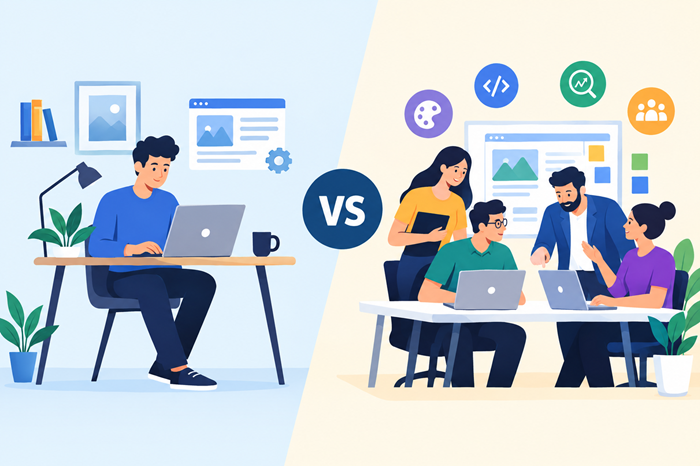
Businesses seeking long-term digital success often invest in solutions that combine strong technical architecture with excellent design practices. Understanding concepts such as website wireframes vs. final UI helps teams create smoother workflows and better project outcomes.
Understanding Front-End and Back-End Frameworks
Before exploring the best options, it helps to understand how web development frameworks are categorized.
Front-End Frameworks
Front-end frameworks focus on the visual experience users interact with directly. They manage layouts, animations, responsiveness, and user interactions.
Popular front-end solutions include:
- React
- Vue.js
- Angular
- Svelte
These tools help developers create dynamic interfaces that work efficiently across devices.
Back-End Frameworks
Back-end frameworks manage server operations, databases, security, and application logic.
Common examples include:
- Laravel
- Django
- Express.js
- Ruby on Rails
- Spring Boot
Many businesses rely on custom web development solutions that combine multiple frameworks to create tailored platforms.
React: The Industry Favorite
React remains one of the most popular web development frameworks because of its flexibility and component-based architecture.
Key Advantages
- Fast rendering
- Reusable components
- Large developer ecosystem
- Strong community support
React works particularly well for interactive websites, dashboards, and large-scale applications.
Companies exploring modern technologies often review the top 5 web development frameworks to compare options before selecting a stack.
Angular for Enterprise Applications
Angular is a complete framework maintained by Google and designed for large applications.
Its strengths include:
- Built-in tools
- Strong TypeScript support
- Excellent scalability
- Consistent architecture
Organizations managing complex digital ecosystems often choose Angular because it supports long-term maintenance.
As businesses expand online operations, many also seek a skilled web development agency capable of handling enterprise-grade projects.
Vue.js: Simplicity Meets Performance
Vue.js has earned a strong reputation because it combines ease of use with impressive performance.
Why Developers Like Vue
- Simple learning curve
- Lightweight structure
- Flexible integration
- Excellent documentation
Vue continues to attract startups and growing businesses looking for efficient solutions without excessive complexity.
Laravel: A Powerful PHP Framework
Laravel remains one of the strongest back-end web development frameworks available today.
It offers:
- Built-in authentication
- Elegant syntax
- Strong security features
- Database management tools
Laravel reduces repetitive coding and supports rapid development, making it suitable for many business applications.
Django: Speed and Security
Django is a Python-based framework known for reliability and robust security.
Industries such as healthcare, finance, and education frequently adopt Django because it includes:
- Secure authentication
- Fast development capabilities
- Strong scalability
- Excellent database support
Python’s continued growth ensures Django remains relevant among modern web development frameworks.
Express.js and Node.js
Express.js works with Node.js to create fast server-side applications using JavaScript.
This combination allows developers to use one programming language across front-end and back-end environments.
Benefits include:
- High performance
- Flexible architecture
- Strong API development support
- Efficient real-time applications
Teams interested in scalable solutions often explore approaches related to unlimited web development, where ongoing improvements become part of long-term digital strategies.
Ruby on Rails: Fast Development for Startups
Ruby on Rails focuses on simplicity and rapid application development.
Its advantages include:
- Faster deployment
- Convention-based architecture
- Reduced coding effort
- Large ecosystem
Although newer technologies continue to emerge, Rails remains a practical choice for many projects.
Emerging Trends in Modern Frameworks
Technology evolves quickly, and several trends are shaping the future of web development frameworks.
AI Integration
Artificial intelligence tools are becoming more common in modern applications, increasing demand for frameworks that support APIs and machine learning features.
Serverless Development
Developers are adopting cloud-native approaches to improve scalability and reduce infrastructure costs.
Performance Optimization
Speed remains a major ranking factor, encouraging teams to prioritize efficient frameworks and optimized architectures.
Organizations searching for faster development methods often review the fastest frameworks to build a full stack web app before beginning projects.
Choosing the Right Framework
Not every project requires the same technology.
Important considerations include:
Project Complexity
Simple websites may need lightweight solutions, while enterprise systems require advanced frameworks.
Scalability
Growth potential should influence framework selection from the beginning.
Team Expertise
Development experience affects project efficiency and long-term maintenance.
Community Support
Frameworks with active communities often provide better resources and ongoing improvements.
Selecting the right web development frameworks involves balancing technical needs with business goals.
Why Experience Matters in Development
Technology alone does not guarantee success. Strategic planning, thoughtful design, and technical expertise all contribute to stronger digital products.
Teams looking for reliable partners often value providers that offer both design and development expertise under one process. Companies such as unlimited web design services from Ducky Unlimited combine creative thinking with technical execution, making projects more efficient from concept to launch.
We also have extensive experience delivering tailored solutions through a refined process that prioritizes business goals, usability, and scalability. Our approach to development helps organizations create digital products that remain effective long after launch.
Businesses seeking dependable web development services often benefit from long-term partnerships that support continuous growth rather than one-time project delivery.
Conclusion
Choosing the right web development frameworks is one of the most important decisions in modern digital projects. The ideal framework depends on performance requirements, scalability goals, user experience expectations, and future plans.
React, Angular, Vue, Laravel, Django, Express.js, and Ruby on Rails continue to lead the industry because they solve different challenges effectively. As technology evolves, organizations that combine the right tools with experienced development partners gain a significant advantage.
Understanding web development frameworks today creates stronger foundations for tomorrow’s digital success.
Frequently Asked Questions
1. What are web development frameworks?
Software tools that provide a structured foundation for building websites and applications.
2. Which framework is best for front-end development?
React, Vue, and Angular are among the most popular choices.
3. Which framework is ideal for back-end development?
Laravel, Django, and Express.js are widely used options.
4. Why are frameworks important?
They improve development speed, security, and scalability.
5. How do businesses choose a framework?
Selection depends on project size, goals, and technical requirements.