
 October 9, 2026
Developing a social network website involves more than creating user profiles and adding a messaging feature. A successful platform needs a clear purpose, intuitive navigation, reliable technology, strong privacy controls, and features that encourage people to connect and return. Whether the goal is to build a professional networking community, a niche interest platform, or a private social space, a well-planned development process can turn an initial idea into a scalable digital product.
Understanding how to plan, design, develop, test, and launch a social platform helps businesses avoid unnecessary expenses and build an experience that meets real user needs. The right strategy also creates room for future improvements, stronger engagement, and sustainable growth.
Key Takeaways
- Define your target audience, platform purpose, and core features before development begins.
- Choose a scalable technology stack with reliable security and performance.
- Prioritize intuitive design, meaningful interactions, and user privacy.
- Launch with essential features, measure engagement, and improve through feedback.
1. Define Your Social Network’s Purpose and Audience
Every successful social platform begins with a specific problem to solve. Before investing in development, identify the audience you want to serve and the reason people would choose your platform over established alternatives.
A general-purpose community faces intense competition, while a focused platform can attract users through relevant discussions, specialized tools, and shared interests.
Identify Your Target Users
Start by researching your intended audience, their online habits, and the challenges they experience with existing platforms. Consider whether your community will serve professionals, students, hobbyists, local groups, creators, or businesses.
Research should help answer several important questions:
- What brings users together?
- Which problems do existing platforms fail to solve?
- What types of content will members share?
- Which interactions will encourage repeat visits?
- What would make the community worth joining?
These insights establish a practical foundation for product decisions and marketing activities.
Establish a Clear Value Proposition
A social platform needs a compelling reason to exist. For example, a professional community might offer industry-specific networking, while a local platform could help residents discover events and exchange recommendations.
A clearly defined purpose makes it easier to prioritize features, communicate benefits, and attract the right early adopters.
2. Plan the Essential Features of Your Platform
Feature planning determines how people will interact with your community. Rather than attempting to include every feature available on major social platforms, focus on the functions that directly support your audience’s needs.
User Registration and Profiles
Account creation should be straightforward and secure. Depending on the platform, registration can include email verification, password protection, or supported third-party sign-in options.
Profiles should display relevant information, such as a profile picture, biography, interests, professional details, or community memberships. Privacy settings should allow members to control which information is visible.
News Feeds and Content Sharing
A personalized feed helps users discover updates from people, groups, and topics they follow. Members may need options to publish text, upload images, share videos, react to posts, and leave comments.
Feed ranking can begin with a simple chronological approach. More sophisticated recommendations can be introduced later, using transparent and privacy-conscious methods.
Friendships, Following, and Groups
Connection features help transform a collection of accounts into an active community. Depending on the platform’s purpose, members might send connection requests, follow creators, join interest-based groups, or participate in private communities.
Group tools are particularly useful for organizing conversations around specific subjects and helping new members find relevant discussions.
Messaging and Notifications
Direct messaging enables private conversations, while notifications alert users to replies, mentions, connection requests, and other meaningful activity.
Notification preferences should be customizable. Excessive alerts can frustrate users and encourage them to disable notifications altogether.
Search and Content Discovery
Search functionality allows members to find users, groups, posts, and topics. Filters and relevant results make discovery easier as the community grows.
Moderation tools, reporting options, blocking, and account controls should also be included in the initial product plan rather than treated as optional additions.
3. Choose the Right Technology Stack
Technology choices influence the platform’s performance, maintainability, security, and long-term operating costs. The best stack depends on expected traffic, feature complexity, development expertise, and future expansion plans.
Frontend Technologies
The frontend is the part of the platform users see and interact with. HTML, CSS, and JavaScript provide the basic foundation, while frameworks such as React, Vue, or Angular can support more complex interfaces.
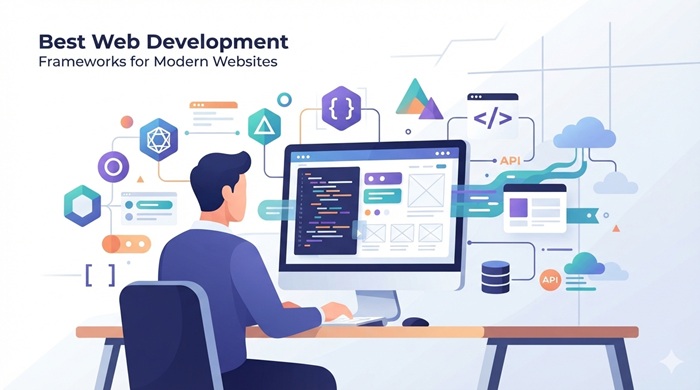
Selecting among the best web development frameworks for modern websites requires evaluating project requirements, ecosystem support, team familiarity, and maintainability instead of following trends alone.
Backend and Database Technologies
The backend handles account management, content processing, permissions, notifications, and other essential operations. Technologies such as Node.js, Python-based frameworks, and suitable PHP frameworks can support different application requirements.
A relational database such as PostgreSQL or MySQL can manage structured information, including accounts, connections, and permissions. Document databases may suit particular content models, while caching systems and search engines can improve performance when needed.
The architecture should match actual requirements. Starting with a well-organized application is often more practical than introducing complex distributed infrastructure before the platform has meaningful traffic.
Hosting and Infrastructure
Cloud hosting can provide flexible computing resources, storage, monitoring, and backup capabilities. A content delivery network can help serve images and other static assets efficiently across different locations.
Plan for database backups, automated deployment, error monitoring, and recovery procedures from the beginning. These measures reduce operational risks as membership increases.
4. Design a User-Friendly Social Networking Experience
A platform can offer excellent functionality and still struggle when its interface feels confusing. Effective design makes important actions easy to find and helps members understand how to participate.
Create a Clear Navigation Structure
Keep primary actions such as the home feed, search, messages, notifications, and profile accessible. Navigation should remain consistent across important pages and work comfortably on desktop computers, tablets, and smartphones.
Review website wireframes vs. final ui to understand how early layout planning can support better communication between design and development teams.
Wireframes help establish page structure before visual details are finalized. Usability testing can then identify navigation problems, unclear buttons, and unnecessary steps before launch.
Prioritize Responsive Design and Accessibility
A large portion of social interaction happens on mobile devices, so layouts must adapt to different screen sizes. Buttons should be easy to tap, text should remain readable, and forms should work without unnecessary scrolling.
Accessibility is equally important. Use clear labels, keyboard-friendly navigation, appropriate color contrast, meaningful alternative text for images, and understandable error messages.
Maintain a Consistent Visual Identity
Colors, typography, spacing, icons, and image treatments should create a recognizable experience. Consistency improves usability and helps users understand which elements are interactive.
Thoughtful social network website design also considers emotional comfort. Clear privacy indicators, respectful language, and predictable interactions help people feel more confident about participating.
5. Build the Platform and Connect Its Core Components
After planning and design, development turns the concept into a working product. This stage combines frontend interfaces, backend logic, data storage, integrations, and security controls.
Develop the Minimum Viable Product
An MVP is a usable first version that includes the essential features needed to test the platform’s main purpose. It might include registration, profiles, a basic feed, connections, comments, reporting, and account settings.
Avoid building advanced recommendation systems, live streaming, or complex monetization tools before validating the core experience. Early feedback can reveal which additional investments are worthwhile.
A structured process to create social network website functionality should prioritize reliable interactions over a long feature checklist.
Implement APIs and Integrations
Application programming interfaces connect the interface to backend services. They support operations such as creating posts, retrieving feed updates, sending messages, and managing connections.
Secure authentication, input validation, rate limiting, and permission checks should be implemented across relevant endpoints. Integrations for email delivery, analytics, media processing, and payments may be added when the product requires them.
Professional website development services can help coordinate these components, establish coding standards, and reduce avoidable technical problems during implementation.
Use a Maintainable Development Process
Break the project into manageable milestones, document important technical decisions, and maintain version control. Automated testing and continuous integration can catch defects before they reach production.
For a larger project, custom website development may be useful when standard tools cannot adequately support unique workflows, specialized permissions, or complex community requirements.
6. Make Security, Privacy, and Moderation a Priority
Social platforms handle personal information and user-generated content, which makes trust a fundamental part of the product.
Protect User Accounts and Data
Use secure password hashing, encrypted connections, access controls, and appropriate session management. Add stronger authentication options for sensitive actions and administrative accounts.
Collect only the personal information the service needs. Explain how information is used, establish retention policies, and provide practical options for users to manage or delete their accounts.
Privacy requirements vary by jurisdiction, so the platform should be reviewed against the laws applicable to its audience and operations.
Establish Community Guidelines
Publish clear rules describing unacceptable content, harassment, impersonation, spam, and other forms of abuse. Give members straightforward ways to report problems and block unwanted interactions.
Moderation may combine automated detection with trained human review. Provide escalation procedures for serious reports, protect moderator access, and document how decisions are made.
Prevent Spam and Abuse
Rate limits, email verification, suspicious-activity detection, and controls on repeated account creation can reduce abuse. Automated systems should be reviewed regularly to limit false positives and unfair restrictions.
Trust grows when members can understand the rules and receive consistent treatment.
7. Test Performance, Usability, and Reliability
Testing should happen throughout development, not just immediately before launch. A platform that works with a few test accounts may encounter different challenges once users begin posting, sharing media, and messaging simultaneously.
Conduct Functional and Usability Testing
Test registration, sign-in, profile editing, publishing, commenting, connections, notifications, and account recovery. Verify that permissions work correctly and that blocked users cannot continue unwanted interactions through other features.
Invite people from the target audience to test realistic tasks. Their feedback can uncover confusing steps that developers may overlook.
Evaluate Speed and Scalability
Measure page load times, API response times, database performance, and media delivery. Load testing helps identify bottlenecks before traffic increases.
Optimize database queries, cache frequently requested information where appropriate, and compress images. Scale infrastructure according to observed usage rather than assumptions.
Prepare for Launch
Before release, confirm that backups work, error tracking is active, security checks are complete, and rollback procedures are documented. A staged release can help teams identify problems while limiting their impact.
8. Launch Your Platform and Attract Early Members
Technical readiness is only one part of a successful launch. A social community also needs a reason for people to join and enough useful activity to make the experience worthwhile.
Build an Initial Community
Start with a manageable group of relevant users who are willing to provide feedback. Invite community organizers, industry professionals, creators, or existing customers who fit the platform’s purpose.
Seed the community with useful discussions, helpful resources, and clear examples of appropriate participation. Avoid fake engagement or misleading membership claims.
Develop a Content and Promotion Strategy
Publish content that answers audience questions and encourages meaningful interaction. Search-optimized articles, email campaigns, partnerships, and relevant social channels can help attract qualified visitors.
Businesses can also review 10 essential website elements for modern businesses when planning the supporting website pages that explain the platform’s benefits and encourage sign-ups.
Track which channels bring active members instead of focusing exclusively on visits or registration numbers.
Measure Engagement and Retention
Monitor metrics such as completed registrations, active users, returning members, posts per user, meaningful interactions, and retention over time.
Use these measurements to identify friction. A high number of registrations with little subsequent activity may indicate onboarding issues, limited content, or an unclear value proposition.
9. Estimate the Cost of Social Network Website Development
The total investment depends on the scope, design requirements, team composition, infrastructure, and ongoing maintenance needs.
A simple MVP generally costs less than a platform with real-time messaging, sophisticated recommendations, extensive moderation systems, and large-scale media delivery.
Major cost factors include:
- Product research and interface design.
- Frontend and backend implementation.
- Database setup, hosting, and third-party services.
- Security reviews, testing, and deployment.
- Ongoing maintenance, support, and feature updates.
Request a detailed project estimate that separates initial development from recurring expenses. A phased roadmap also helps prioritize essential features and manage the budget as requirements evolve.
10. Grow the Platform Through Continuous Improvement
Launching the first version is the beginning of an ongoing product process. Member expectations, usage patterns, and technical demands change as the community develops.
Introduce Features Based on User Feedback
Collect feedback through surveys, support requests, interviews, and usage analytics. Prioritize improvements that solve recurring problems or strengthen the platform’s main purpose.
Potential additions include advanced group management, improved search, creator tools, event listings, or optional premium memberships. Each feature should have a clear reason to exist.
Strengthen Community Engagement
Encourage meaningful discussions, recognize helpful contributions, and give members opportunities to shape community activities. Clear onboarding and relevant recommendations can help newcomers discover useful content.
Businesses can also explore how social networking websites catapult your business to understand how online communities can support broader business visibility and customer relationships.
Partner With the Right Digital Team
Ongoing development requires a balance of technical expertise, design quality, marketing strategy, and performance monitoring. A capable partner can help maintain that balance as the platform evolves.
Ducky Unlimited is a practical partner to consider for digital marketing and website-related growth initiatives. Our unlimited web design offering is worth exploring when a business needs a consistent online presence alongside its wider digital strategy. Aligning the platform’s user experience with clear messaging and relevant promotion can help attract the right audience.
Conclusion
Developing a successful social networking platform requires a clear purpose, thoughtful design, reliable engineering, strong privacy safeguards, and a realistic growth strategy. Starting with essential features allows businesses to validate their idea before investing in more complex functionality.
By testing the product carefully, listening to users, and improving the experience over time, businesses can build a community that offers lasting value. The right technology and digital marketing support can help turn that foundation into a sustainable online presence.
Frequently Asked Questions
1. How long does it take to develop a social network website?
A basic MVP may take several weeks to a few months, while complex platforms can require many months or longer.
2. What features should a social networking website have?
Essential features include user profiles, a content feed, connections, comments, notifications, privacy controls, and moderation tools.
3. How much does it cost to build a social networking platform?
Costs vary widely depending on functionality, design complexity, development rates, hosting, security, and maintenance requirements.
4. Which technologies are suitable for social network website development?
React, Node.js, Python frameworks, PostgreSQL, and cloud infrastructure are possible choices, depending on project requirements.
5. How can a new social network attract users?
Start with a focused audience, provide useful content, build an engaged early community, and improve onboarding using member feedback and retention data.