June 16, 2025
The digital world never stops evolving—and web design is no exception. With AI stepping into the scene, it’s no longer just about creativity but also about intelligent automation. But what does that really mean for businesses, designers, and everyday users?
Let’s explore how AI is transforming the entire journey from wireframe to a fully functional website, all while keeping it efficient, user-friendly, and cost-effective.
What Is AI Web Design?
Simply put, AI web design uses artificial intelligence tools and technologies to automate various aspects of building a website—from creating layouts to optimizing user experience.
Unlike traditional design methods that require manual input at every step, AI web design can generate website frameworks, suggest design tweaks, and even predict user behavior.
The Role of Wireframing in Web Design
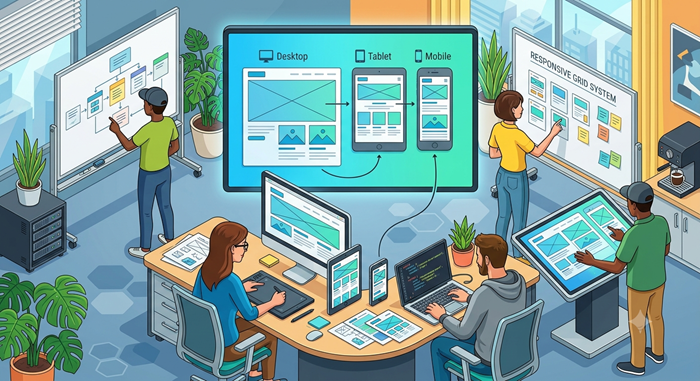
Wireframes are the blueprint of any website. They map out structure, layout, and functionality—before a single line of code is written.
AI enhances this by taking static wireframes and transforming them into interactive prototypes, helping you visualize the full user journey early in the process.
How AI Streamlines the Web Design Workflow
Think of AI as your digital co-designer. It:
- Auto-generates layouts based on content needs
- Optimizes visual hierarchy
- Suggests color palettes and font pairings using design data
- Organizes content logically for better engagement
Key Benefits of Using AI in Web Design
- Faster turnaround – Projects that once took weeks now take days.
- Cost savings – Fewer man-hours mean reduced budgets.
- Consistent design – AI eliminates inconsistencies that human designers might overlook.
Top AI Tools Revolutionizing Web Design
Some of the top tools today include:
- Wix ADI (Artificial Design Intelligence) – Automatically creates a site based on user answers.
- Zyro & Bookmark – Great for small businesses.
- GitHub Copilot or ChatGPT – Ideal for auto-generating basic frontend code.
Designing for the User with AI
AI analyzes thousands of data points to determine how real users behave. That means you get a personalized and user-centric layout every time. Features like auto-suggestions for navigation and heat-map-driven changes come standard.
Mobile-First Designs and AI
In a mobile-dominant world, AI ensures your website performs smoothly across all screen sizes.
If you’re wondering how to create stunning mobile experiences, read this guide on Web Design for Mobile: Creating Amazing Mobile Experience.
Accessibility and Inclusivity Through AI
Creating an inclusive website is no longer optional—it’s a necessity. AI tools now help flag accessibility issues in real-time, ensuring your site meets ADA standards.
Here’s a deeper look: Designing for Accessibility: Making Your Website Inclusive
Responsive Design with AI and SVGs
Scalable Vector Graphics (SVGs) are a designer’s best friend—especially when AI is involved. They adapt seamlessly across devices and are lightweight.
See how SVGs contribute to responsive design in this article: Using SVGs: Scalable Design Elements in Responsive Sites
Top Features AI Adds to Modern Web Design
Expect capabilities like:
- Voice-guided design input
- Instant mobile previews
- Auto-placement of CTAs based on user intent tracking
Best Practices When Using AI in Web Design
Even with AI’s magic, keep your human intuition in the loop:
- Design for the user, not just the algorithm.
- Incorporate feedback loops from real users.
- Make it interactive and dynamic.
Need guidance on core principles? Explore this resource: Key Principles of Effective Web Design
Essential Website Elements That AI Can Build
AI can easily handle the essentials like:
- Hero sections
- Navigation menus
- SEO meta tags
- Footer links
Check out this guide: Top 10 Must-Have Elements for a Modern Website
Challenges and Limitations of AI in Design
Despite the perks, AI still can’t replicate human creativity. Branding nuances, storytelling, and emotional connection are areas where human designers remain irreplaceable.
The Future of AI in Web Design
Will AI take over? Not entirely. But it will become a powerful assistant, letting creatives focus on strategy and vision.
Conclusion
The rise of AI in web design doesn’t mean the end of creativity—it’s the beginning of a new kind of collaboration. From wireframes to final launch, AI can enhance, accelerate, and elevate your web design process.
So, if you haven’t yet, it might be time to welcome your new robot design buddy.