
 December 21, 2024
Web development is one of the most sought-after career paths today, offering exciting opportunities to create innovative digital solutions. But before diving into this field, aspiring developers often face a critical question: Should you specialize in frontend or backend web development?
This blog post will explore the key differences between frontend and backend development, their roles in creating websites, and factors to help you decide the best fit for your career.
Understanding Frontend Web Development
What Is Frontend Development?
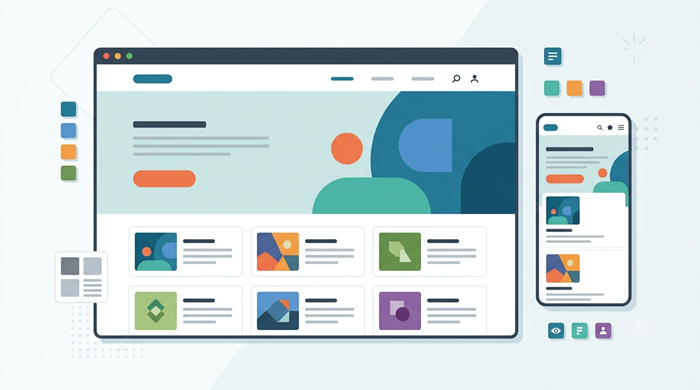
Frontend development focuses on the visible parts of a website—the design, layout, and interactivity that users interact with directly. Think of it as the “face” of a website.
Key Responsibilities of a Frontend Developer
- Designing and coding user interfaces
- Ensuring websites are mobile-responsive
- Optimizing performance for a seamless user experience
Common Tools and Frameworks
Frontend developers rely on tools and frameworks to simplify their work. For example, check out the top web development frameworks you need to know to stay updated on the latest trends.
Skills Needed for Frontend Development
- Proficiency in HTML, CSS, and JavaScript
- Familiarity with libraries like React or Angular
- An eye for design and user experience
Understanding Backend Web Development
What Is Backend Development?
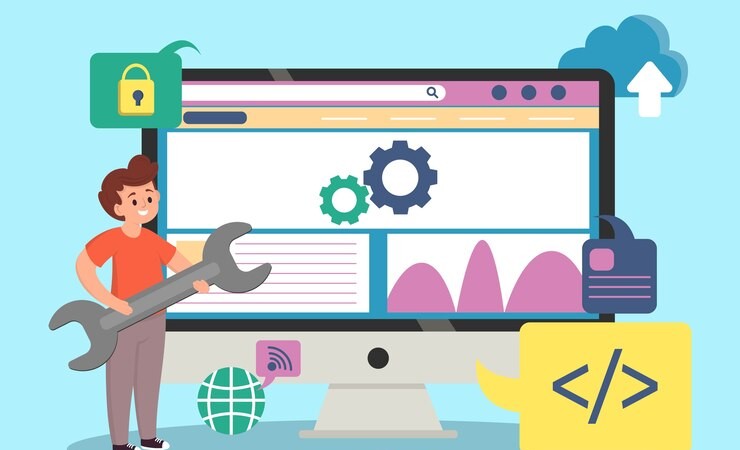
Backend development deals with the server side of a website. It focuses on databases, server logic, and APIs that enable the frontend to function. If the frontend is the face, the backend is the brain.
Key Responsibilities of a Backend Developer
- Managing databases and data storage
- Writing server-side logic
- Ensuring secure and efficient communication between servers and users
Common Tools and Frameworks
Backend developers utilize powerful frameworks to streamline development. Explore popular web development tools and software to find tools that align with your interests.
Skills Needed for Backend Development
- Knowledge of server-side programming languages like Python, Java, or Node.js
- Understanding of databases like MySQL or MongoDB
- Familiarity with API integration
Frontend vs Backend: A Detailed Comparison
1. Focus Area
- Frontend: User interface and design.
- Backend: Server-side logic and data management.
2. Required Skills
- Frontend: Creativity, design sense, and coding skills.
- Backend: Logical thinking, problem-solving, and database expertise.
3. Tools and Technologies
Frontend developers rely on tools like React and CSS preprocessors, while backend developers use frameworks like Django or Express.js.
4. Collaboration
Frontend and backend developers work closely to ensure a seamless website experience, bridging the gap between design and functionality.
Which One Should You Choose?
1. Your Interests
- If you love designing and creating visually stunning user interfaces, go for frontend development.
- If you enjoy solving complex problems and working behind the scenes, backend development might be your calling.
2. Your Career Goals
Consider your long-term goals. Frontend roles may lead to UI/UX design careers, while backend roles often transition into cloud computing or data science.
3. Your Skillset
Evaluate your current skills. If you’re skilled in graphic design, frontend is a natural choice. If you’re familiar with databases, backend could be a better fit.
The Best of Both Worlds: Full-Stack Development
If you’re drawn to both frontend and backend, why not explore full-stack development? Full-stack developers are proficient in both areas and can manage entire projects. This versatility makes them highly valuable in the job market.
The Importance of Accessibility in Web Development
Regardless of your choice, accessibility is crucial. Frontend developers focus on making interfaces inclusive, while backend developers ensure functionality for assistive technologies. For more insights, check out best practices for website accessibility and inclusivity.
Conclusion
Choosing between frontend and backend web development ultimately depends on your interests, goals, and skills. Whether you’re drawn to the creative aspects of the frontend or the logical problem-solving of the backend, there’s a rewarding career waiting for you. And if you can’t decide, full-stack development offers the best of both worlds!