
 August 26, 2026
Google now evaluates websites with a strong focus on the mobile version of each page. For businesses, this means that a website that looks great on desktop but delivers a weak mobile experience can face visibility, usability, and performance challenges.
At Ducky Unlimited, we help businesses build and improve websites that work effectively across devices. From responsive layouts and faster page performance to crawlability and user experience, we approach mobile-first indexing as part of a broader strategy for sustainable search visibility.
Key Takeaway
- Google primarily relies on the mobile version of a site for crawling and evaluation. – Responsive design, consistent content, and strong performance are essential for success.
- A mobile-friendly site should be easy to crawl as well as easy for visitors to use.
- Ducky Unlimited helps businesses identify and fix technical issues that can affect mobile search performance.
What Is Mobile-First Indexing?
Mobile-first indexing means Google primarily uses the mobile version of a webpage when crawling, indexing, and evaluating content for search results.
In the past, search engines often focused more heavily on desktop versions of websites. As mobile browsing became the dominant way many people access the internet, Google shifted its approach to better reflect how users actually experience the web.
This does not mean desktop websites no longer matter. Your desktop experience is still important for visitors, conversions, and overall usability. However, the mobile version must provide Google with the content, structure, and functionality needed to properly understand your pages.
For businesses, the practical takeaway is simple: if your mobile site is incomplete, slow, difficult to navigate, or technically inconsistent with the desktop version, those issues deserve attention.
Why Mobile Optimization Matters for Search Visibility
A strong mobile experience supports more than rankings alone. It affects how easily visitors can consume content, navigate important pages, submit forms, and interact with your business.
The relationship between mobile-first indexing and search performance is especially important because technical weaknesses can make it harder for search engines to access the information you want to appear in results.
The Mobile Version Needs the Important Content
One common problem occurs when a website displays more content on desktop than on mobile. Important copy, headings, images, structured information, or internal links may be removed to create a simpler mobile layout.
A cleaner design is useful, but simplifying a page should not mean hiding the information that gives the page its value.
When we review a website, our team looks for meaningful differences between device versions and makes sure essential content remains accessible.
User Experience and Technical Health Work Together
Good search performance is rarely the result of one isolated improvement. A responsive layout, logical navigation, optimized assets, and clean code all contribute to a stronger experience.
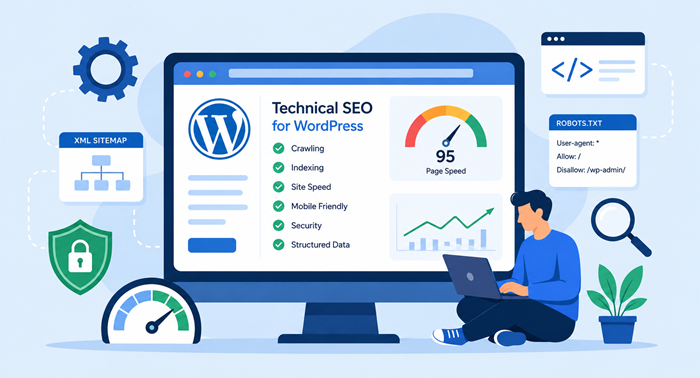
This is where a professional technical seo audit can be valuable. It helps identify issues involving crawlability, page speed, rendering, redirects, structured data, and mobile usability before they become larger problems.
Our technical seo services are designed to help businesses understand those issues and prioritize improvements based on real website needs.
Understanding the Impact of Mobile-First Indexing
The impact of mobile-first indexing can vary depending on how a website is built and maintained.
A modern responsive website with consistent content may need only routine monitoring. An older website with separate mobile URLs, missing content, blocked resources, or inconsistent structured data may require more detailed work.
Content Consistency Is Essential
Your mobile and desktop pages should communicate the same core information. This includes:
- Primary page content
- Important headings
- Internal links
- Images and relevant alternative text
- Metadata where appropriate
- Structured data
- Canonical signals
The layouts do not need to be identical. In fact, mobile layouts often need different spacing, navigation, and visual hierarchy. The goal is consistency of meaning and accessibility rather than a pixel-for-pixel copy.
Page Performance Can Affect the Mobile Experience
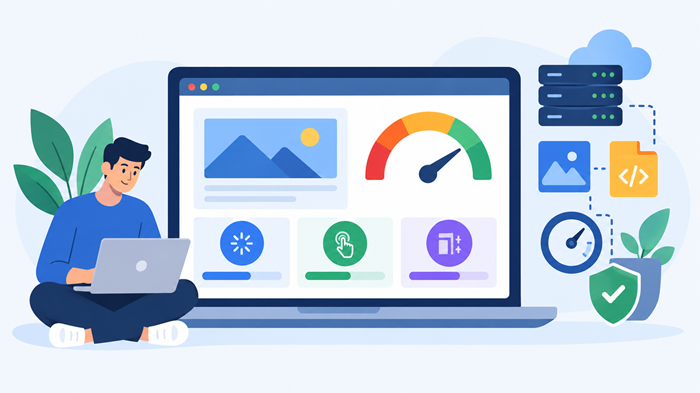
Mobile visitors may be using slower connections, smaller screens, or less powerful devices. Large media files, excessive scripts, and poorly optimized code can create frustrating delays.
Performance improvements should focus on real user interactions rather than chasing arbitrary scores.
For WordPress websites, our guide to practical strategies to improve INP explains how interaction responsiveness can be improved through focused technical changes.
How Ducky Unlimited Helps Businesses Prepare
At Ducky Unlimited, we view mobile-first indexing as a website-wide consideration rather than a one-time checklist.
Every business has different technical requirements. An online service provider may need stronger conversion paths, while an ecommerce company may need to manage large product catalogs and complex navigation.
Our process focuses on identifying the issues that matter most and creating practical improvements.
Reviewing Responsive Design and Site Structure
Responsive design allows a website to adapt to different screen sizes without maintaining separate versions for desktop and mobile.
We examine how pages behave across devices and look for navigation problems, overlapping elements, inaccessible buttons, layout shifts, and other issues that can affect visitors.
A strong web design strategy should consider both appearance and functionality from the beginning.
For businesses planning a new site or redesign, our web design packages with built-in technical seo can help align design decisions with long-term search performance.
Improving Technical Accessibility
Search engines need to access the resources required to render and understand your pages. Problems with blocked files, broken links, incorrect redirects, or poor URL management can interfere with that process.
This is why our approach to google indexing includes reviewing the technical foundation of a site instead of focusing only on visible content.
We also examine important elements such as XML sitemaps, robots directives, canonical tags, internal linking, and page status codes.
Building Better Experiences for Real Visitors
Search optimization should support business goals, not exist separately from them.
Our unlimited web design approach gives businesses ongoing support for improving layouts, functionality, and website performance as their needs evolve.
Whether a business needs landing page improvements, technical fixes, or a completely new digital presence, the goal is to create a site that works well for users and search engines.
Common Problems That Can Affect Mobile Search Performance
Even websites that appear functional on a smartphone can contain hidden technical issues.
Slow or Heavy Pages
Large images, unnecessary JavaScript, excessive third-party tools, and inefficient code can increase loading times.
Optimizing assets and reducing unnecessary resources can help create a faster and smoother experience.
Missing Mobile Content
Some websites hide product details, service information, links, or other valuable content on smaller screens.
Before removing content for design reasons, consider whether that information is important to users or search engines.
Difficult Navigation
Mobile navigation should make it easy to reach important pages without excessive tapping or confusing menus.
Clear labels, logical hierarchy, and accessible controls can make a significant difference.
Separate Mobile and Desktop Versions
Older sites may use different URLs or substantially different codebases for mobile and desktop visitors. These setups can work, but they often require additional monitoring to maintain consistency.
In many cases, responsive design provides a simpler long-term solution.
Mobile-First Indexing Best Practices for Businesses
Preparing your website does not require rebuilding everything from scratch. The right approach depends on the current condition of your site.
Start With a Full Website Review
Review important pages on real mobile devices and screen sizes. Look beyond appearance and test navigation, forms, buttons, content visibility, and interactive features.
Check whether the same essential information is available across desktop and mobile versions.
Prioritize Meaningful Performance Improvements
Start with the issues that have the greatest effect on visitors and business goals.
For example, improving a slow service page or fixing a broken mobile contact form may be more valuable than making minor cosmetic adjustments to low-priority pages.
Keep Technical Elements Consistent
Make sure important metadata, structured data, canonical information, and crawlable content remain available on the mobile version.
This helps search engines interpret the page accurately and supports a more reliable google mobile-first indexing process.
Monitor Changes After Launches and Redesigns
Website updates can unintentionally introduce technical problems.
After a redesign or major development change, review important templates, page speed, indexing signals, internal links, and mobile usability.
Businesses investing in custom web design should build these checks into the development process rather than treating SEO as an afterthought.
For a deeper foundation, our guide to understanding technical seo explains how the technical side of a website supports visibility and long-term performance.
Why Mobile-First Indexing Should Be Part of Your SEO Strategy
Treating mobile-first indexing as a separate project can lead to temporary fixes rather than lasting improvements.
The strongest websites combine responsive design, useful content, efficient performance, and sound technical implementation. These elements support each other.
At Ducky Unlimited, we help businesses look beyond isolated SEO tasks and improve the website as a complete digital asset. That means identifying what is slowing the site down, what is creating friction for visitors, and what technical barriers may affect search visibility.
A website does not need to be complicated to perform well. It needs a solid foundation, a clear structure, and ongoing attention as technology and business needs change.
How Ducky Unlimited Supports Long-Term Website Performance
The best approach to mobile-first indexing is proactive rather than reactive.
Instead of waiting for traffic or usability problems to appear, businesses can regularly review site performance and address weaknesses as the website evolves.
Our team can help with:
- Mobile usability reviews
- Technical issue identification
- Page performance improvements
- Responsive design updates
- Crawlability and indexing checks
- Website redesign planning
- Ongoing design and technical support
By combining technical expertise with practical design decisions, we help businesses create websites that are easier to use, easier to maintain, and better prepared for modern search.
Final Thoughts
Mobile-first indexing is no longer something businesses can treat as a secondary consideration. Your mobile website is a critical part of how users experience your brand and how search engines understand your content.
The good news is that improvement does not always require a complete rebuild. A detailed review can reveal opportunities to improve speed, content consistency, navigation, and technical accessibility.
At Ducky Unlimited, we help businesses turn those findings into practical action. From technical improvements to ongoing website support, our goal is to build stronger digital foundations that support visibility, usability, and growth.
If your website has not been reviewed with a mobile-first approach, now is a good time to examine how well it performs for both users and search engines.
FAQs
What is mobile-first indexing?
Google primarily uses the mobile version of a webpage to crawl, index, and evaluate its content.
Does mobile-first indexing mean desktop SEO no longer matters?
No, desktop still matters for users, but the mobile version must provide complete and accessible content.
Can a slow mobile website affect SEO performance?
Yes, poor mobile performance can negatively affect user experience and overall website quality.
Do I need a separate mobile website?
No, a responsive website is generally the simplest way to provide a consistent experience across devices.
How can Ducky Unlimited help improve my mobile website?
We can review usability, performance, technical issues, and responsive design to identify practical improvements.