
 October 11, 2024
In the world of search engine optimization (SEO), understanding the role of XML sitemaps can make or break a website’s performance. A well-organized sitemap is like a map for search engines, guiding them through the pages of your site so they can efficiently index your content. But why is it so important? In this article, we’ll explore everything you need to know about XML sitemaps, how they impact SEO, and why every website should have one.
What is an XML Sitemap?
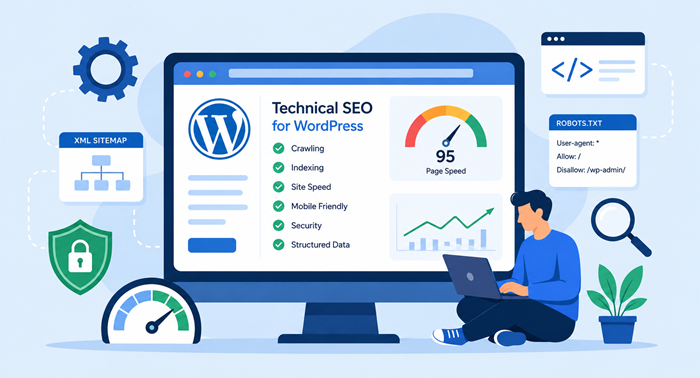
An XML sitemap is a file that lists the URLs of a website, helping search engines like Google to discover and crawl your pages more efficiently. Unlike HTML sitemaps, which are often user-facing and designed for easy website navigation, XML sitemaps are designed specifically for search engines. They serve as a blueprint, guiding crawlers to the most critical parts of your website.
The Purpose of XML Sitemaps
One of the primary functions of an XML sitemap is to ensure that all pages on your site are indexed by search engines, even those that might otherwise be missed. For instance, websites with a complex structure or dynamic content can have pages that are not easily discoverable through regular crawling methods. By providing a well-organized XML sitemap, you ensure that no valuable content is left out.
Why Are XML Sitemaps Important for SEO?
XML sitemaps play a vital role in SEO because they help search engines like Google quickly locate new or updated pages on your website. This is especially useful for larger websites or sites with new content that needs to be indexed frequently. Having a sitemap does not guarantee that all your pages will be indexed, but it certainly increases the chances of that happening. In terms of technical SEO, XML sitemaps are crucial for improving crawlability and addressing indexing issues.
If you’re interested in how technical SEO can benefit your business, check out this article on the role of technical SEO for businesses.
How Search Engines Use XML Sitemaps
When a search engine encounters your XML sitemap, it uses it to prioritize which pages to crawl and index first. For example, Google looks at the frequency of updates and the importance of pages within the sitemap. It can then use this data to determine how often it should return to your site to check for new or updated content.
What Should Be Included in Your XML Sitemap?
To get the most out of your XML sitemap, you need to be selective about what goes in it. You should focus on including high-quality pages that add value to your audience. Leave out pages with thin content, duplicate content, or low importance from the sitemap. This is particularly important when dealing with large websites that may have thousands of pages.
How to Create an XML Sitemap
You can create an XML sitemap easily. There are several tools and plugins available for popular content management systems like WordPress. For example, Yoast SEO and Google XML Sitemaps are easy-to-use plugins that automatically generate and update your sitemap. For more technically inclined users, manual creation is an option, though this requires a deep understanding of website structure and coding.
How to Submit an XML Sitemap to Search Engines
Once your XML sitemap is ready, the next step is submitting it to search engines. Google Search Console is the most widely used tool for this purpose. Simply log into your account, navigate to the “Sitemaps” section, and paste the URL of your sitemap. The process is similar for Bing and other search engines.
Best Practices for Optimizing Your XML Sitemap
To make the most of your XML sitemap, it’s essential to keep it updated. If you frequently add new content, be sure your sitemap reflects these changes. Additionally, avoid cramming your sitemap with low-value pages, as this can hurt your SEO. Prioritize essential pages and remove any unnecessary ones.
Common Mistakes in XML Sitemap Creation
Some of the most common mistakes include including too many low-value pages, failing to keep the sitemap updated, and not fixing errors flagged by Google Search Console. Ignoring these issues can harm your crawl efficiency and, by extension, your rankings.
How XML Sitemaps Help with Technical SEO
XML sitemaps can significantly boost your technical SEO efforts by improving the crawlability of your site. They provide a clear structure for search engines, making it easier to discover all relevant pages. For more on this, you can explore the benefits of technical SEO.
The Connection Between XML Sitemaps and Technical SEO
XML sitemaps are an integral part of technical SEO. They ensure that search engines can find and crawl your content efficiently, which is essential for large websites or those with complex structures. Aligning your XML sitemap strategy with broader technical SEO practices can yield impressive results.
XML Sitemaps vs. Other Sitemap Types
While XML sitemaps are primarily for search engines, there are other types of sitemaps, like HTML and RSS, that serve different purposes. HTML sitemaps are for human visitors, while RSS sitemaps can help notify search engines about changes to your blog or news content.
Conclusion
In conclusion, XML sitemaps are an invaluable tool for website owners and marketers looking to improve their SEO efforts. By ensuring that your content is easily discoverable and properly indexed, you increase your chances of ranking higher in search results. Every website, no matter the size, should have a well-structured XML sitemap to improve its SEO performance.