
 October 29, 2024
In digital landscape, accessibility and inclusivity aren’t just buzzwords—they’re necessities. Creating an accessible website isn’t only about compliance with regulations like the Americans with Disabilities Act (ADA) but also about ensuring that everyone, regardless of ability, can easily interact with and benefit from your site. Here’s a look at essential best practices for making your website welcoming to all users, including helpful strategies and design insights to implement right away.
1. Understanding Website Accessibility and Inclusivity
Accessibility refers to the practice of designing websites so they can be used by everyone, including people with disabilities. This includes making adjustments for individuals with visual, auditory, motor, or cognitive impairments. Inclusivity, on the other hand, involves considering a wide range of user needs, ensuring your website can reach and be usable by diverse groups. For a comprehensive approach to site design, consider everything you need to know about unlimited WordPress development, a helpful guide to implementing high-quality, accessible sites effectively.
2. Importance of Web Accessibility
Making your website accessible does more than simply broaden your audience. It also demonstrates your brand’s commitment to social responsibility, ensuring a positive user experience for all visitors. Additionally, accessible sites tend to rank higher in search engines and have improved overall usability, making it a win-win for both the business and its audience.
3. Optimize Website Structure and Navigation
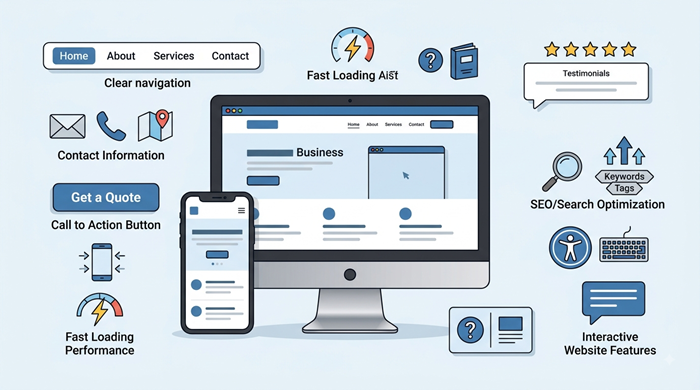
One of the primary aspects of an accessible site is a straightforward and logical structure. This means:
- Ensuring that the main navigation is easy to find and use.
- Using headings, subheadings, and clear labels so users and assistive devices can easily understand the content hierarchy.
- Offering simple, intuitive navigation, which will also improve the user experience.
Choosing wisely between dynamic and static websites can also influence accessibility. Dynamic websites offer flexible content changes, while static sites provide simplicity, each with its own accessibility implications.
4. Provide Text Alternatives for Visual Elements
Images, infographics, and other visual content add value but can present challenges for visually impaired users. By adding alt text to images and ensuring that graphics are described in a way that conveys the intended message, you’ll make the content more accessible. Alt text is especially valuable for screen readers, which describe the image to users who may not see it.
5. Ensure Color Contrast and Readability
To make content more readable for users with visual impairments:
- Use high-contrast color combinations (e.g., dark text on a light background).
- Avoid color combinations that are problematic for colorblind users (like red-green or blue-yellow).
- Provide text alternatives for content that relies on color to convey meaning.
Understanding the ROI of website design, especially when it comes to creating a user-friendly, accessible experience, can show just how much of an impact these changes can make. An inclusive site not only attracts more users but also promotes better engagement and brand loyalty.
6. Enable Keyboard Navigation
Many users with motor disabilities rely on keyboards instead of a mouse. Make sure your site is fully navigable with a keyboard, using “Tab” for moving through interactive elements and “Enter” for selecting them. This accessibility feature benefits everyone, from those using assistive devices to those with temporary impairments or simply different browsing preferences.
7. Incorporate Accessible Forms
Forms are essential for collecting information from users, but they can be challenging for some individuals. For more accessible forms:
- Use clear, descriptive labels for each field.
- Allow ample space around form fields for users with limited dexterity.
- Provide easily identifiable error messages, which explain how to correct any mistakes.
If you’re wondering how much to charge for website design that includes accessibility features, know that pricing should reflect the added value and expertise of building an inclusive site—especially if it can yield higher customer engagement.
8. Add Video Captions and Transcripts
For users who are deaf or hard of hearing, captions and transcripts for audio and video content are crucial. Captions should ideally be synchronized with the spoken words and describe relevant non-verbal audio cues (like [laughter] or [music playing]).
9. Test with Assistive Technology
To ensure your website is truly accessible, test it using assistive technology like screen readers (e.g., NVDA, JAWS) and voice recognition software. This hands-on approach helps you experience your website from the perspective of a user with a disability and identify any areas for improvement.
10. Use Accessible Fonts and Font Sizes
Font readability is key to accessibility:
- Avoid overly decorative fonts.
- Use a minimum font size of 16px for body text.
- Offer an option for users to adjust font sizes to their preference.
11. Provide a Skip Navigation Link
Skip navigation links are particularly helpful for screen reader users. By enabling users to skip repetitive navigation elements, you allow them to go directly to the main content, which significantly enhances the browsing experience for those with disabilities.
12. Simplify Content and Language
Simplified language makes your content more accessible to users with cognitive disabilities or language processing challenges. Using plain language, shorter sentences, and bullet points helps keep information digestible and improves overall engagement.
13. Implement ARIA (Accessible Rich Internet Applications) Landmarks
ARIA landmarks help users who rely on screen readers to navigate content more effectively. These landmarks guide users through sections like banners, navigation, main content, and footers, making the site experience smoother.
14. Regularly Audit and Update Your Site
Website accessibility is not a “set it and forget it” situation. Regularly audit your site to identify any accessibility issues and keep up with best practices. As the web and technology evolve, new tools and techniques emerge to make your website even more inclusive.
15. Educate and Train Your Team on Accessibility
Incorporate accessibility awareness and training into your design and development processes. When everyone involved understands the importance of inclusivity, your entire team is better equipped to contribute to an accessible website from the ground up.
Conclusion: Building an Inclusive Digital World
Implementing website accessibility best practices is not just about compliance—it’s about creating an inclusive digital space where everyone can participate. By following these guidelines, you’ll make your website accessible and user-friendly to a diverse audience, creating a more inclusive internet experience. Remember, when we design with accessibility in mind, we make the digital world a better place for everyone.