
 September 15, 2025
In the digital marketing world, traffic alone isn’t enough. You can have thousands of visitors, but if they’re not converting into customers, subscribers, or engaged users, you’re leaving revenue on the table. As we step into 2025, the rules of online engagement are evolving. Consumer behavior is shifting, technology is advancing, and businesses need smarter, data-driven strategies to thrive.
The good news? With the right approach, you can dramatically increase conversions on both your website and mobile app. This article dives into proven strategies that blend design, psychology, and marketing to help you succeed this year.
1. Focus on User-Centered Design
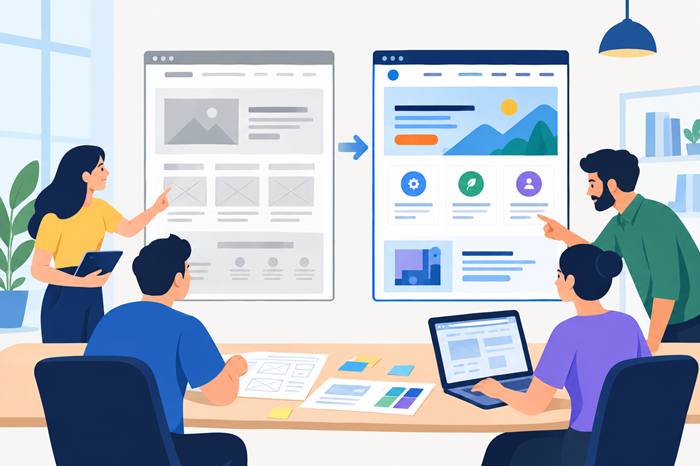
Design is no longer just about aesthetics—it’s about functionality and user experience (UX). People judge your credibility within seconds of landing on your site or app. A cluttered layout or confusing navigation can quickly drive them away.
To stand out in a competitive digital space, you need to design websites that set you apart. A clean, intuitive interface creates trust and keeps users engaged long enough to take action.
2. Build Landing Pages That Convert
Landing pages are often where conversions happen—or where they’re lost. An effective landing page has a single goal, persuasive copy, and a clear call-to-action (CTA).
When optimizing your conversion funnels, pay attention to headline clarity, visuals, and form length. Even small tweaks like reducing form fields can significantly boost results. If you’re serious about ROI, explore these expert tips on landing page design that converts.
3. Leverage the Power of SEO
It doesn’t matter how beautiful your website or app is if people can’t find it. That’s where search engine optimization (SEO) comes in.
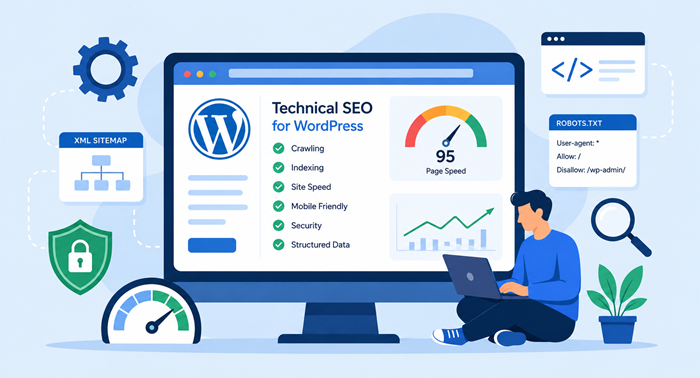
In 2025, SEO is more than just ranking—it’s about relevance and intent. By optimizing your site structure, content, and mobile responsiveness, you attract users who are already searching for what you offer.
To understand why SEO is such a valuable long-term investment, take a look at the ROI of SEO. Strong SEO not only boosts traffic but also improves conversion potential by aligning user intent with your solutions.
4. Use Data-Driven Keyword Research
Keywords remain at the heart of SEO and conversion strategies, but the game has changed. Modern keyword research goes beyond search volume—it considers search intent, competition, and user behavior.
By targeting long-tail keywords, you attract highly qualified leads who are closer to making a purchase decision. To see how it can benefit your strategy, read more about the benefits of keyword research.
5. Simplify the Conversion Path
Complex checkout processes or app flows are among the biggest reasons for cart abandonment. To increase conversions:
- Streamline forms
- Offer guest checkout options
- Reduce unnecessary steps
- Optimize for mobile usability
The smoother the process, the more likely users are to complete the action you want.
6. Personalize the User Experience
Personalization isn’t just a buzzword—it’s an expectation. Today’s consumers want experiences tailored to their needs and preferences. This means:
- Product recommendations based on browsing history
- Personalized push notifications on apps
- Dynamic website content that adapts to user behavior
Personalization builds trust and creates a sense of relevance, making users more likely to convert.
7. Optimize for Mobile First
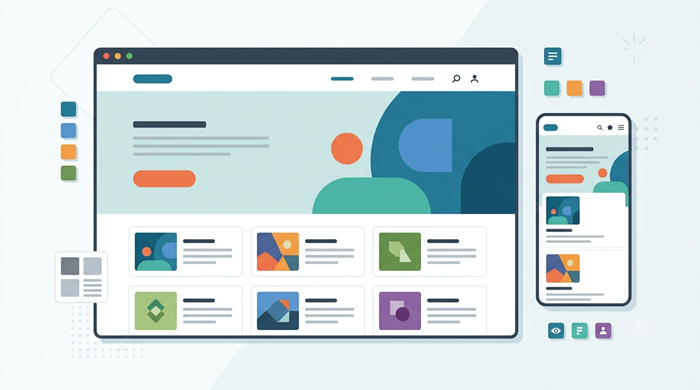
With more than half of all online traffic coming from mobile devices, a mobile-first approach is no longer optional. Apps and websites that aren’t optimized for smaller screens risk losing a huge share of potential conversions.
Focus on responsive design, fast load times, and thumb-friendly navigation. Remember: users won’t wait for a slow-loading page when competitors are just a tap away.
8. Prioritize Speed and Performance
Every second counts online. Research shows that even a one-second delay can reduce conversions by 7%. For apps, slow responsiveness often leads to uninstalls.
Key improvements include:
- Compressing images
- Using a content delivery network (CDN)
- Minimizing code bloat
- Regularly testing performance across devices
9. Build Trust with Transparency
In an age of data privacy concerns, trust is a major conversion factor. Displaying clear pricing, transparent policies, and security badges reassures users. Testimonials, reviews, and case studies also add credibility, making people more confident to engage with your brand.
10. Test, Measure, and Improve Continuously
The most successful businesses treat conversion optimization as an ongoing process, not a one-time fix. Use A/B testing to compare headlines, images, CTAs, and layouts. Track heatmaps to see where users drop off. Every insight brings you closer to a higher conversion rate.
If you’re starting from scratch, consider following this roadmap on how to build a website that converts in 2025.
Conclusion
Boosting website and app conversions in 2025 isn’t about chasing trends—it’s about understanding people. When you combine user-centered design, SEO, personalization, and ongoing optimization, you create digital experiences that inspire action.
Remember, conversions don’t happen by accident—they’re the result of strategy, testing, and consistent effort. Whether you’re launching a new site, revamping an app, or fine-tuning existing funnels, the strategies outlined above will help you stay ahead in a competitive digital landscape.