
 October 26, 2024
When it comes to creating dynamic, user-friendly websites, both front-end and back-end development play crucial roles. Each serves different purposes and requires unique skills, yet they work together to create the seamless, interactive websites that users expect today. Let’s break down the primary differences between front-end and back-end development, what skills each requires, and how they work together to power your favorite sites.
1. Understanding the Basics of Front-End Development
Front-end development, often called “client-side” development, involves everything that users interact with directly on a website. From the layout, colors, and fonts to interactive buttons and animations, front-end development ensures that all the elements that users see and engage with are visually appealing and functional.
Key Responsibilities of Front-End Developers
- Designing User Interfaces (UI): Crafting a user-friendly layout that aligns with the brand’s aesthetics.
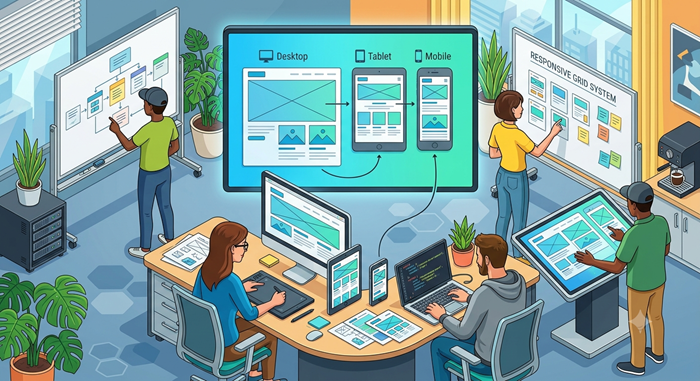
- Ensuring Responsiveness: Making sure websites perform well on various devices, from desktops to mobile phones.
- Improving User Experience (UX): Ensuring that navigating the site feels intuitive and satisfying for users.
To dive deeper into the technologies that drive the latest front-end innovations, consider exploring the top web development frameworks you need to know, which have become essential tools for developers in creating visually stunning and user-friendly sites.
2. Common Front-End Technologies
Front-end developers rely on a set of core languages and tools to bring websites to life. The primary technologies include:
- HTML (HyperText Markup Language): The backbone of any website’s structure.
- CSS (Cascading Style Sheets): Controls the look and feel, allowing developers to adjust colors, fonts, and layouts.
- JavaScript: Adds interactivity, enabling dynamic elements like sliders, pop-ups, and animations.
Developers also use libraries and frameworks, like React, Angular, and Vue.js, which streamline the coding process and enable faster, more efficient development.
3. Back-End Development: What Goes on Behind the Scenes?
Back-end development, or “server-side” development, is the unseen backbone of a website. It’s where the site’s data is stored, processed, and managed. When you log in, make a purchase, or interact with any data on a website, back-end development ensures everything works correctly and securely.
Key Responsibilities of Back-End Developers
- Managing Databases: Storing and retrieving data, such as user profiles, transaction details, and content.
- Ensuring Security: Protecting data and sensitive information from potential cyber threats.
- Building APIs (Application Programming Interfaces): Allowing different software components to communicate, enabling complex functionalities.
For a closer look at the transformative potential of modern back-end capabilities, take a look at the unlimited web development revolution, which shows how advanced back-end development can create seamless and robust website experiences.
4. Key Technologies Used in Back-End Development
Back-end development relies on a mix of programming languages, frameworks, and databases, including:
- Programming Languages: Popular choices include Python, Java, PHP, Ruby, and JavaScript (Node.js).
- Databases: Back-end developers use databases like MySQL, PostgreSQL, and MongoDB to store, update, and retrieve data.
- Frameworks: Frameworks like Django, Ruby on Rails, and Laravel make it easier to build secure, efficient server-side applications.
5. Full-Stack Development: Combining Front-End and Back-End
Some developers specialize in both front-end and back-end, known as full-stack development. Full-stack developers understand the needs and intricacies of both the client and server sides, giving them the ability to build complete applications from start to finish. They have a more comprehensive understanding of how a website functions and can contribute to a wide range of tasks.
6. How Front-End and Back-End Developers Work Together
In web development, collaboration is key. Front-end and back-end developers must communicate and work closely to ensure that both sides of a website operate in harmony. For example, if a front-end developer creates a form for users to fill out, the back-end developer must ensure that the data is processed, stored, and secured correctly.
Working as a team, front-end and back-end developers bridge the gap between visual appeal and functionality, ensuring that the website meets both aesthetic and technical standards.
7. Essential Skills for Front-End Developers
To be successful, front-end developers need a mix of technical and creative skills, including:
- Proficiency in HTML, CSS, and JavaScript
- Familiarity with frameworks like React, Angular, or Vue.js
- Understanding of responsive design principles
These skills allow them to create engaging interfaces and ensure that websites are visually appealing on any device.
8. Essential Skills for Back-End Developers
Back-end developers focus more on logical and problem-solving skills. Important skills include:
- Knowledge of programming languages like Python, Ruby, or PHP
- Experience with databases and server management
- Understanding of security best practices
This expertise enables them to create systems that are not only functional but also secure and efficient.
9. The Growing Demand for Specialized Developers
With the complexity of modern websites, the demand for both specialized front-end and back-end developers continues to grow. Businesses are increasingly looking for developers with expertise in specific frameworks and languages to create streamlined, highly functional sites.
10. The Importance of ROI in Web Development
Creating a well-designed, functional website is not only about aesthetics; it’s also about improving the business’s bottom line. A user-friendly, fast-loading, and engaging website can boost sales and improve customer retention, providing a strong return on investment (ROI). For insights on how a well-structured website impacts business success, read about the ROI of website design and how businesses can achieve growth through a strategic website overhaul.
Conclusion: Choosing the Right Path in Web Development
Whether you’re more interested in the artistic side of web design or the technical challenges of server management, both front-end and back-end development offer fulfilling and lucrative career paths. For those who enjoy blending both worlds, full-stack development might be the ideal path. Understanding the distinctions between these roles can help you decide where your skills and interests fit best, making it easier to choose a career that’s both challenging and rewarding.
If you’re interested in diving deeper, check out the unlimited possibilities in WordPress development, as WordPress has become a popular platform for developers on both ends to showcase their skills.
This comprehensive overview of front-end vs. back-end development should give you a solid foundation for understanding what each role entails and how these two sides of web development contribute to creating the digital experiences we interact with every day.