March 6, 2025
A website is more than just an online presence—it’s a powerful tool for attracting customers and driving business growth. But having a beautifully designed website isn’t enough. If your site isn’t optimized for search engines (SEO), it won’t rank well on Google, Bing, or other search platforms.
So, how does web development impact SEO, and what can you do to ensure your website ranks high in search results? In this guide, we’ll explore how web development and SEO go hand in hand, and how you can build an SEO-friendly website that stands out.
1. Why Web Development Matters for SEO
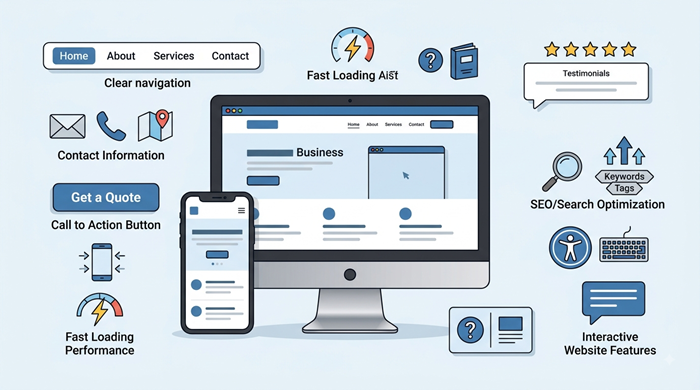
Web development and SEO are closely linked. A well-developed website:
✔ Loads quickly – Faster websites rank better.
✔ Is mobile-friendly – Google prioritizes mobile-first indexing.
✔ Has clean code – Proper coding ensures search engines can crawl your site.
✔ Uses structured data – Helps search engines understand your content better.
💡 Looking for the best tools for web development? Check out the Top 5 Web Development Frameworks You Need to Know to build high-ranking websites.
2. Key Web Development Factors That Affect SEO
A. Website Speed and Performance
Page speed is a ranking factor—slow websites frustrate users and cause high bounce rates.
✔ Use caching and compression tools to improve load time.
✔ Optimize images and videos for faster performance.
✔ Minimize CSS, JavaScript, and HTML to reduce file sizes.
B. Mobile Responsiveness
Google’s mobile-first indexing means your website must be optimized for mobile users.
✔ Use responsive web design to adapt to all screen sizes.
✔ Ensure buttons and menus are easy to navigate on mobile devices.
C. Clean and Structured Code
Search engines prefer websites with organized and easy-to-read code.
✔ Use HTML5 and semantic tags to help search engines understand your content.
✔ Avoid excessive JavaScript that slows down your site.
💡 Want to scale your website’s capabilities? Learn about Unlimited Web Development and Its Impact.
3. How to Build an SEO-Friendly Website from the Ground Up
Step 1: Choose the Right CMS or Development Platform
✔ WordPress – The most popular platform with built-in SEO features.
✔ Custom Development – Gives more control over SEO but requires expertise.
Step 2: Optimize Your Website Structure
✔ Create a logical URL structure (e.g., example.com/services).
✔ Use breadcrumb navigation for better user experience.
Step 3: Implement On-Page SEO Best Practices
✔ Use title tags and meta descriptions for every page.
✔ Optimize content with keywords, internal links, and header tags (H1, H2, H3, etc.).
✔ Add alt text to images to improve accessibility and SEO.
💡 Building with WordPress? Learn about Unlimited WordPress Development for an SEO-friendly approach.
4. Advanced Web Development Strategies for SEO
A. Implement Schema Markup
✔ Helps search engines better understand your content.
✔ Improves chances of appearing in rich snippets (star ratings, FAQs, etc.).
B. Focus on Secure Website Development (HTTPS)
✔ Google ranks secure websites (HTTPS) higher than non-secure ones.
✔ Install an SSL certificate to ensure data encryption.
C. Improve Site Architecture for Better Crawling
✔ Submit an XML sitemap to Google Search Console.
✔ Use internal linking to help search engines discover new pages.
Final Thoughts: The Perfect Blend of Web Development and SEO
Building an SEO-friendly website requires a combination of strong web development practices and smart optimization techniques. By focusing on site speed, mobile responsiveness, structured data, and clean coding, you can create a website that ranks higher and attracts more visitors.
🚀 Ready to build an SEO-optimized website?