
 May 22, 2026
Running an online store today takes more than attractive product pages and paid ads. If your site is difficult for search engines to crawl, slow to load, or poorly structured, you could lose valuable traffic before customers even see your products. That’s why technical SEO has become one of the most important growth drivers for modern online businesses.
A well-optimized store improves visibility, enhances user experience, and helps turn visitors into buyers. Whether you manage a small niche shop or a large retail platform, the right technical foundation can directly influence conversions and long-term growth. Businesses investing in smarter site architecture, speed optimization, and search performance often see stronger engagement and better rankings over time.
For brands looking to scale with unlimited web design, technical improvements are no longer optional — they are part of building a competitive digital storefront that performs consistently across devices and search engines.
Why Technical SEO Matters for Online Stores
Technical SEO focuses on how your website performs behind the scenes. While content and product descriptions matter, search engines also evaluate how efficiently your store is built.
A technically optimized site helps search engines crawl and index pages faster. It also improves mobile usability, navigation, and page speed, all of which affect buyer behavior.
Many store owners focus heavily on ads while ignoring foundational optimization. But without a solid technical structure, even great campaigns can struggle to produce sustainable results.
The Link Between SEO and Revenue
Search visibility plays a major role in online purchasing decisions. When customers search for products, they often choose brands appearing on the first page of results.
Improving technical performance increases your chances of ranking for valuable commercial keywords. Better rankings mean more qualified traffic, which naturally contributes to stronger e-commerce sales over time.
Build a Site Structure Search Engines Can Understand
Site architecture is one of the most overlooked technical SEO elements in online retail.
A clean structure helps visitors navigate products easily while making it simpler for search engines to understand relationships between pages.
Create Clear Category Hierarchies
Your navigation should follow a logical hierarchy:
- Homepage
- Main categories
- Subcategories
- Product pages
Avoid creating overly deep structures where users need multiple clicks to reach products. Simpler navigation improves both user experience and crawl efficiency.
Optimize Internal Linking
Internal linking distributes authority across your site and helps search engines discover important pages.
Instead of random links, use contextual references that guide users naturally through related topics. For example, businesses exploring the benefits of e-commerce website design often discover that technical optimization and user experience work best together rather than separately.
Improve Crawlability and Indexation
If search engines cannot properly crawl your store, your products may never appear in search results.
Use XML Sitemaps Correctly
An XML sitemap acts as a roadmap for search engines. It should include:
- Product pages
- Category pages
- Important landing pages
- Updated content
Avoid including duplicate, filtered, or low-value URLs that waste crawl budget.
Fix Broken Links and Redirect Issues
Broken links create poor experiences for users and crawlers alike.
Perform regular audits to identify:
- 404 pages
- Redirect chains
- Incorrect canonical tags
- Duplicate content issues
Clean technical maintenance ensures your site remains healthy and accessible.
Site Speed Directly Impacts Conversions
Speed is one of the most critical ranking and conversion factors for online stores.
Customers expect fast-loading pages. Delays of even a few seconds can increase bounce rates and reduce purchases.
Compress Images Without Sacrificing Quality
Large product images are common speed issues for online stores.
Use:
- Modern image formats like WebP
- Lazy loading
- Compression tools
- Responsive image sizing
These improvements reduce page weight while maintaining visual quality.
Reduce Unnecessary Scripts
Third-party apps, popups, and tracking scripts often slow down online stores.
Review installed plugins regularly and remove anything unnecessary. Lightweight sites perform better across both desktop and mobile devices.
Mobile Optimization Is No Longer Optional
Most online shoppers now browse and purchase using smartphones.
Search engines prioritize mobile usability, meaning poor mobile experiences can hurt rankings significantly.
Focus on Responsive Design
Your store should adapt smoothly across all screen sizes.
Responsive layouts improve:
- Readability
- Navigation
- Checkout experience
- Engagement metrics
Many businesses building an e-commerce site that actually sells discover that mobile-first optimization has a direct effect on conversion performance.
Simplify Mobile Navigation
Avoid cluttered menus and oversized popups.
Instead:
- Use clean category menus
- Make buttons easy to tap
- Minimize checkout friction
- Keep forms short
A smooth mobile journey encourages users to complete purchases rather than abandon carts.
Optimize Product Pages for Search Visibility
Product pages often generate the majority of organic traffic for online stores.
Technical optimization ensures these pages perform effectively in search results.
Use Structured Data Markup
Schema markup helps search engines understand product details such as:
- Price
- Availability
- Ratings
- Reviews
Rich results can improve click-through rates and increase visibility in search listings.
Prevent Duplicate Content Problems
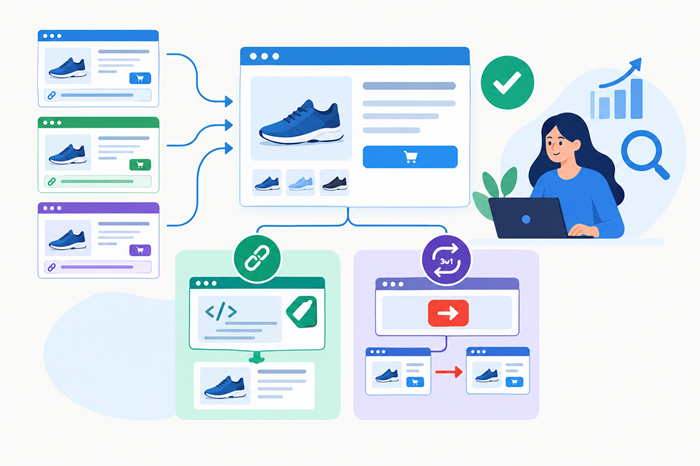
Many stores unintentionally create duplicate pages through filters, variants, and sorting parameters.
Use:
- Canonical tags
- Proper URL handling
- Controlled indexing rules
This prevents search engines from splitting ranking signals across multiple versions of the same content.
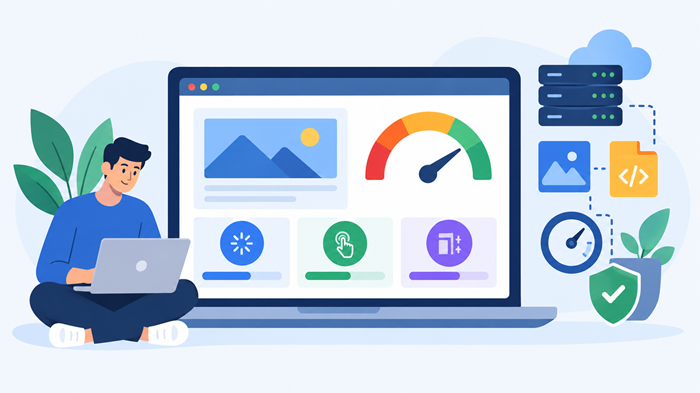
Strengthen Core Web Vitals
Core Web Vitals measure real-world user experience signals.
These include:
- Loading performance
- Visual stability
- Interactivity
Poor scores can negatively affect rankings and user satisfaction.
Improve Largest Contentful Paint (LCP)
LCP measures how quickly key page content loads.
To improve it:
- Upgrade hosting
- Use CDN services
- Optimize server response times
- Compress large assets
Reduce Layout Shifts
Unexpected page movement frustrates users, especially during checkout.
Prevent layout shifts by:
- Defining image dimensions
- Reserving ad space
- Avoiding dynamic content jumps
Stable layouts create smoother browsing experiences.
Technical SEO and Content Strategy Must Work Together
Technical SEO alone cannot carry an online store. It works best alongside high-quality content and strong user intent targeting.
Blogs, guides, and category content support broader visibility while strengthening authority within your niche.
Businesses that invest time to learn ecommerce often realize that technical optimization and content development should evolve together rather than separately.
Secure Your Store With HTTPS
Security plays a direct role in both trust and rankings.
Modern shoppers expect secure browsing experiences, especially during checkout.
Why HTTPS Matters
HTTPS:
- Encrypts customer data
- Builds trust
- Improves search credibility
- Prevents browser security warnings
If your store still uses outdated HTTP protocols, upgrading should be a priority.
Optimize for International and Local Search
Many stores serve customers across different regions and languages.
Technical SEO can help search engines display the correct version of your site to the right audience.
Use Hreflang Tags Properly
Hreflang tags tell search engines which language or regional version to show users.
Incorrect implementation can create indexing confusion, so regular audits are important.
Create Region-Specific URLs
Using dedicated URLs for different markets improves clarity for both users and search engines.
Examples include:
- /us/
- /uk/
- /au/
Localized experiences often improve conversion rates.
Monitor Technical SEO Performance Consistently
SEO is not a one-time project. Online stores require ongoing monitoring and adjustments.
Track Crawl Errors and Site Health
Use tools like:
- Google Search Console
- Screaming Frog
- Ahrefs
- Semrush
These platforms help identify:
- Broken pages
- Indexing issues
- Speed problems
- Technical errors
Analyze User Behavior
Technical improvements should support real customer behavior.
Monitor:
- Bounce rates
- Conversion paths
- Exit pages
- Cart abandonment
Data-driven decisions lead to better long-term performance.
Choosing the Right Platform Matters
Your platform influences everything from page speed to scalability and technical flexibility.
Some platforms offer stronger SEO capabilities than others, especially for growing stores with large inventories.
Businesses comparing platforms often explore the 8 best ecommerce platform for seo to better understand how technical features affect long-term growth and search visibility.
The Role of Professional SEO Support
Managing technical optimization internally can become difficult as stores grow.
That’s why many brands partner with specialists who understand advanced site performance, search visibility, and conversion optimization.
An experienced e-commerce digital marketing agency can help identify hidden technical issues that limit growth opportunities while creating scalable optimization plans tailored to business goals.
At the same time, combining strong technical foundations with practical seo strategies gives online stores a better chance of maintaining consistent visibility in competitive markets.
Businesses that focus on sustainable organic seo strategies often achieve stronger long-term traffic growth without relying entirely on paid advertising.
Integrating technical improvements with broader e-commerce marketing efforts also creates a more balanced acquisition strategy that supports both short-term sales and long-term brand visibility.
Conclusion
Technical SEO is one of the most valuable investments an online store can make. Faster loading times, cleaner architecture, mobile optimization, and better crawlability all contribute to improved visibility and stronger customer experiences.
While many businesses focus only on advertising and design, long-term success often depends on how efficiently a store performs behind the scenes. Technical improvements help search engines understand your site while making it easier for customers to browse, trust, and purchase from your store.
The brands that consistently grow online are usually the ones that treat SEO as part of the entire shopping experience — not just a marketing tactic.
FAQs
What is technical SEO for e-commerce?
Technical SEO improves your store’s structure, speed, and crawlability to help search engines rank pages effectively.
Why is site speed important for online stores?
Faster websites improve user experience and reduce bounce rates, which can increase conversions.
Does mobile optimization affect SEO rankings?
Yes, search engines prioritize mobile-friendly websites in search rankings.
What are Core Web Vitals?
Core Web Vitals are performance metrics that measure loading speed, responsiveness, and visual stability.
How often should technical SEO audits be performed?
Most online stores should perform technical audits at least every few months.