
 February 28, 2025
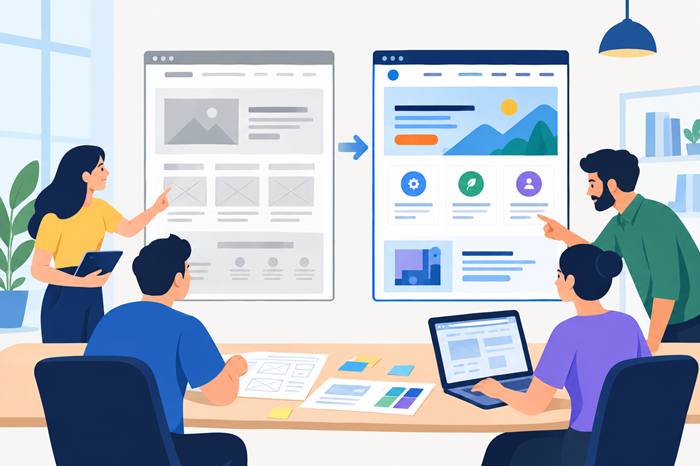
a website is more than just an online presence—it’s a powerful tool that connects businesses with users. But what makes a website truly effective? The answer lies in user-centered design (UCD), a strategy that focuses on creating websites tailored to the needs, expectations, and behaviors of users.
A well-designed website isn’t just about aesthetics; it should be intuitive, accessible, and engaging. In this article, we’ll explore why user-centered design is crucial in web development, how it improves user experience, and best practices for implementing it.
1. What is User-Centered Design?
User-centered design (UCD) is a design approach that prioritizes the user’s needs at every stage of the development process. Instead of focusing solely on business goals or technical features, UCD ensures that a website is:
✔ Easy to navigate
✔ Visually appealing and functional
✔ Optimized for all devices
✔ Accessible to all users, including those with disabilities
💡 Curious about the latest web development trends? Check out the top 5 web development frameworks that help create user-friendly websites.
2. Why is User-Centered Design Important?
A. Enhances User Experience (UX)
A website designed with the user in mind creates a seamless experience, reducing frustration and increasing engagement.
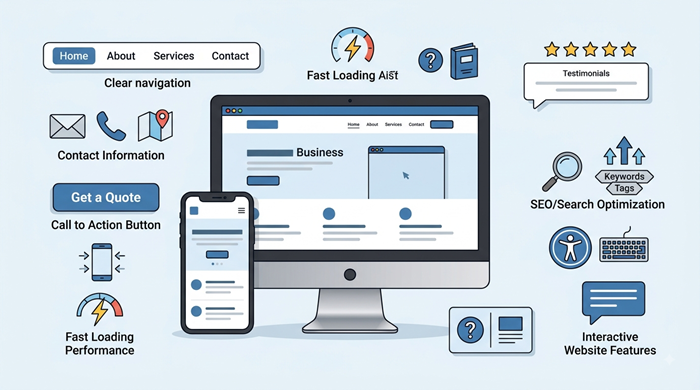
✔ Faster load times for improved performance
✔ Intuitive navigation that helps users find what they need
✔ Clear call-to-actions (CTAs) that guide users effectively
B. Increases Conversions and Customer Satisfaction
A user-friendly website encourages visitors to stay longer and take action. Whether it’s signing up for a newsletter or making a purchase, a well-structured site boosts conversion rates.
C. Improves Accessibility
Websites should be inclusive for all users, including those with visual, auditory, or motor impairments. User-centered design incorporates accessibility standards to ensure equal access for everyone.
🚀 Want to revolutionize your web development approach? Discover how unlimited web development is changing the game.
3. Key Principles of User-Centered Design
A. Understanding User Needs
Conduct research to learn about your target audience. Use:
✔ Surveys and user interviews
✔ Heatmaps and analytics tools
✔ A/B testing to optimize design
B. Simple and Intuitive Navigation
Users should find information quickly without confusion.
✔ Use clear menu labels
✔ Minimize the number of clicks needed
✔ Ensure search functionality is available
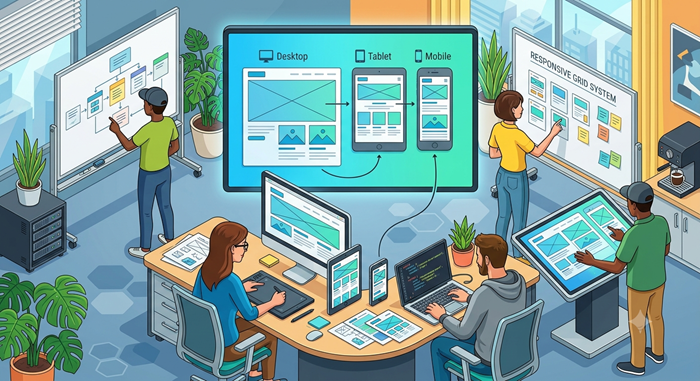
C. Mobile Responsiveness
More users access websites via mobile devices, so a mobile-first design is essential.
✔ Fast-loading pages
✔ Adaptive design for different screen sizes
✔ Thumb-friendly navigation
D. Consistent Branding and Design
✔ Use the same colors, fonts, and tone across all pages
✔ Keep buttons, links, and CTAs uniform
✔ Ensure your brand identity is clear and recognizable
4. Best Practices for Implementing User-Centered Design
✔ Prioritize Simplicity – Avoid cluttered designs that overwhelm users.
✔ Optimize Website Speed – Slow-loading pages lead to high bounce rates.
✔ Incorporate Feedback Loops – Continuously improve based on user feedback.
✔ Test with Real Users – Conduct usability tests before launching.
Final Thoughts: Why User-Centered Design Matters
A user-centered approach in web development leads to higher engagement, better usability, and increased conversions. Whether you’re designing a corporate site, an e-commerce store, or a personal blog, prioritizing the user experience ensures long-term success.