
 July 21, 2026
Luxury apparel brands have always understood the power of restraint. While many businesses compete for attention with bold colors, oversized logos, and complex visuals, premium fashion brands often take a quieter approach.
That is why minimalist graphics have become so important in modern fashion branding. From clothing labels and packaging to websites and social media campaigns, clean visual systems help luxury brands communicate quality, confidence, and exclusivity.
For fashion companies, minimalism is more than an aesthetic trend. It is a strategic approach to graphic design that makes brands easier to recognize, more consistent across platforms, and more memorable to customers.
Minimalist Graphics Make Luxury Brands Look More Premium
One of the biggest reasons luxury apparel brands use minimalist graphics is their ability to create a premium visual impression.
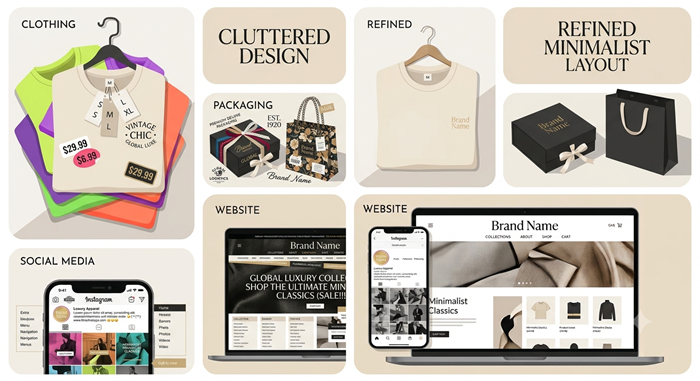
A crowded design can make a product feel less refined when too many colors, fonts, patterns, and decorative elements compete for attention. A carefully edited design, on the other hand, gives each element more importance.
This is especially valuable in luxury brand design, where perceived quality often influences how customers view a product before they even experience it.
A simple package with refined typography, generous spacing, and high-quality materials can feel more exclusive than a design filled with unnecessary details. The same principle applies to websites, advertising campaigns, and social media content.
Brands that need consistent creative support may explore web and graphic design services to maintain a cohesive visual standard across different marketing channels.
Minimalist Graphics Make Luxury Brands Look More Premium:
Minimalist Graphics Strengthen Brand Recognition
Luxury fashion depends heavily on recognition. Customers should be able to identify a brand through its logo, typography, colors, packaging, photography, and overall visual style.
Minimalist graphics help make these details more memorable by reducing visual noise. When a brand consistently uses specific design choices, those elements gradually become part of its identity.
This is where brand identity design plays an important role. A strong identity does not require complicated visuals. It requires consistency and clear decisions.
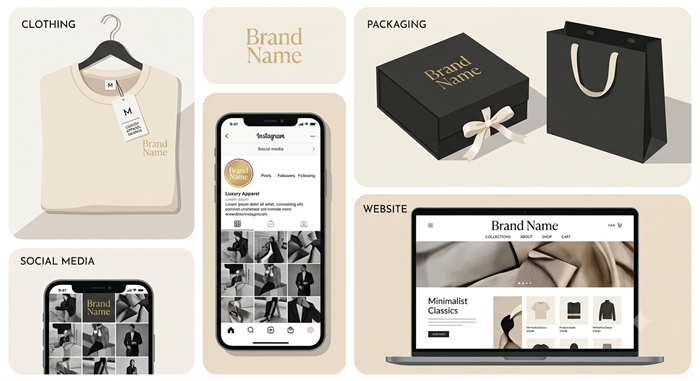
A recognizable visual system can work across a social media post, garment label, website banner, shopping bag, or advertising campaign.
That is why a brand identity design agency often focuses on creating flexible systems that remain recognizable across different formats.
Why Minimalist Clothing Graphics Work So Well
Minimalist clothing graphics can add personality without overpowering the garment.
A small logo, simple symbol, subtle phrase, or carefully placed graphic can become a signature detail. Instead of competing with the fabric, silhouette, or construction of a garment, the design supports the overall product.
This balance is especially important in premium fashion. Customers often want clothing that feels distinctive without appearing overly commercial.
Minimalist graphics also offer flexibility. A simple design can be adapted across T-shirts, jackets, accessories, packaging, and digital campaigns while maintaining a consistent visual identity.
Negative Space Creates a Sense of Exclusivity
Negative space is one of the most important principles behind minimalist graphics. It gives text, imagery, and other design elements room to breathe.
In luxury branding, empty space can create a feeling of calm and importance. It directs attention toward the product instead of overwhelming the viewer with information.
For example, a fashion advertisement featuring one garment, a short headline, and generous space around both elements can feel more exclusive than a crowded layout.
Negative space also improves readability and creates a more refined visual rhythm. It allows customers to focus on the message without feeling overloaded.
Minimalist Graphics Improve Digital Brand Consistency
Luxury apparel brands communicate across websites, online stores, email campaigns, social media, and digital advertising. A single campaign may need to work across several different formats.
A minimalist visual system makes this adaptation easier. For brands that need ongoing creative support across websites and digital campaigns, unlimited web design can help maintain a consistent visual direction as the brand grows.
Simple graphic elements can be resized and rearranged without losing their impact. A consistent system may include:
- A defined typography hierarchy
- A limited color palette
- Consistent spacing
- Reusable graphic elements
- Flexible layout templates
- Clear image direction
The goal is not to make every piece of content look identical. Instead, each design should feel like part of the same brand world.
This is one reason many fashion companies work with a luxury brand design agency when developing a premium identity across multiple channels.s.
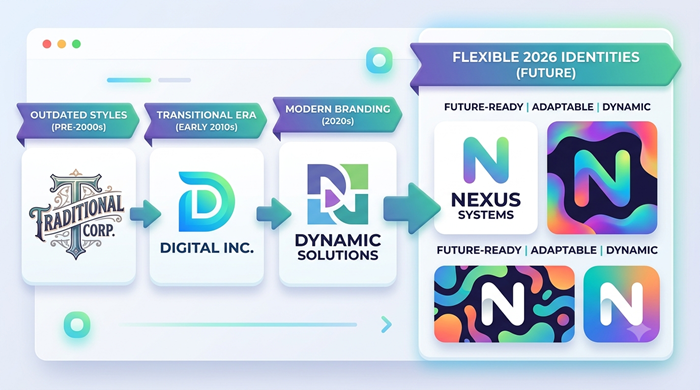
Minimalism Is Becoming More Expressive
Minimalism does not mean every luxury brand must use only black, white, and neutral colors.
Modern brands are experimenting with warm tones, muted colors, bold typography, subtle textures, and unexpected layouts while still maintaining a clean visual structure.
These approaches prove that minimalism can be expressive without becoming visually overwhelming.
For inspiration, explore 10 minimalist graphic design examples that use color to see how color can add personality while preserving a clean composition.
The growing interest in why neo-minimalism graphics are dominating 2026 also shows how the style is evolving into something more flexible and expressive.
Minimalist Graphics Offer Long-Term Visual Value
Fashion trends change quickly. A design style that feels modern today may look dated within a few seasons.
Minimalist graphics often have greater longevity because they rely on fundamental design principles such as proportion, balance, typography, contrast, and spacing.
This does not mean a luxury brand should never update its visual identity. Instead, a strong minimalist foundation makes evolution easier.
Brands can introduce new colors, campaign concepts, or visual treatments without completely losing recognition.
That long-term flexibility is valuable for fashion companies that want to build lasting brand equity rather than constantly redesigning their image.
The Challenge Is Knowing What to Remove
The most difficult part of minimalist design is often deciding what should not be included.
A designer may have several creative ideas, but luxury branding requires discipline. Every element should contribute to the message or customer experience.
A headline may need fewer words. A color palette may need to be reduced. A decorative element may need to disappear.
This is why simplicity can be more difficult than complexity. A crowded design can hide weak decisions behind layers of visual detail, while a minimalist design exposes every choice.
Before finalizing a visual direction, brands should understand the 7 costly minimalist graphics design mistakes to avoid.
Minimalism Supports a Stronger Brand Identity
A successful identity is built around recognizable choices. Minimalism makes those choices easier to see.
The spacing around a logo, the shape of a symbol, the tone of a color, or the placement of a graphic can all become part of the brand experience.
This makes brand identity design services valuable for apparel companies that need more than attractive individual designs. They need a visual system that works across products, marketing, packaging, and customer touchpoints.
The strongest luxury identities may appear effortless, but that simplicity is usually the result of careful planning and refinement.
Why Apparel Brands Need Flexible Design Support
Fashion brands regularly need creative assets for new collections, product launches, campaigns, social media, and seasonal promotions.
Maintaining consistency can become difficult as the volume of design work increases.
Some companies are therefore exploring an unlimited graphic design subscription to support ongoing creative needs without treating every design request as a separate project.
For brands that regularly produce marketing and visual content, this type of model can make it easier to maintain a consistent creative direction.
The Future of Minimalist Graphics in Fashion
Minimalism is likely to remain important in luxury fashion because it supports brand recognition, digital flexibility, premium positioning, and long-term consistency.
However, the future will not necessarily belong to brands that use the fewest elements.
The strongest brands will be those that use fewer elements more effectively. They may combine clean layouts with expressive typography, subtle textures, unexpected colors, motion, or distinctive symbols.
The visual language will continue to evolve, but the central principle will remain the same: every element should have a reason to exist.
Final Thoughts
Luxury apparel brands are drawn to minimalist graphics because the approach supports the qualities they want customers to associate with them: confidence, quality, exclusivity, clarity, and timelessness.
From clothing graphics and packaging to websites and campaign materials, minimalism helps create a consistent visual experience.
The best results come from treating minimalism as a strategic design philosophy rather than simply removing elements from a layout.
When typography, spacing, color, imagery, and composition work together, a simple visual system can create a powerful brand presence. For fashion brands competing in a crowded market, that clarity can become a valuable creative advantage.
Frequently Asked Questions
Why do luxury apparel brands use minimalist graphics?
They use them to communicate sophistication, improve recognition, and create a premium visual experience.
Are minimalist graphics suitable for fashion brands?
Yes, they create distinctive visuals while allowing the clothing and product details to remain the focus.
Does minimalism mean using only black and white?
No, modern minimalism can include carefully selected colors, textures, typography, and graphic elements.
How can minimalism improve brand recognition?
Consistent typography, colors, spacing, and visual elements make a brand easier to identify.
Is minimalist design still relevant in 2026?
Yes, it continues to evolve through expressive typography, subtle color, texture, and neo-minimalist compositions.