
 April 18, 2025
If you’re building websites and apps in 2025, APIs aren’t just helpful — they’re essential.
Whether you’re integrating a payment gateway, pulling social media feeds, or building a dynamic database connection, knowing how to use APIs will supercharge your web development skills.
In this guide, we’ll break down what APIs are, why they matter, and exactly how you can start using them like a pro. Ready? Let’s dive in.
What is an API?
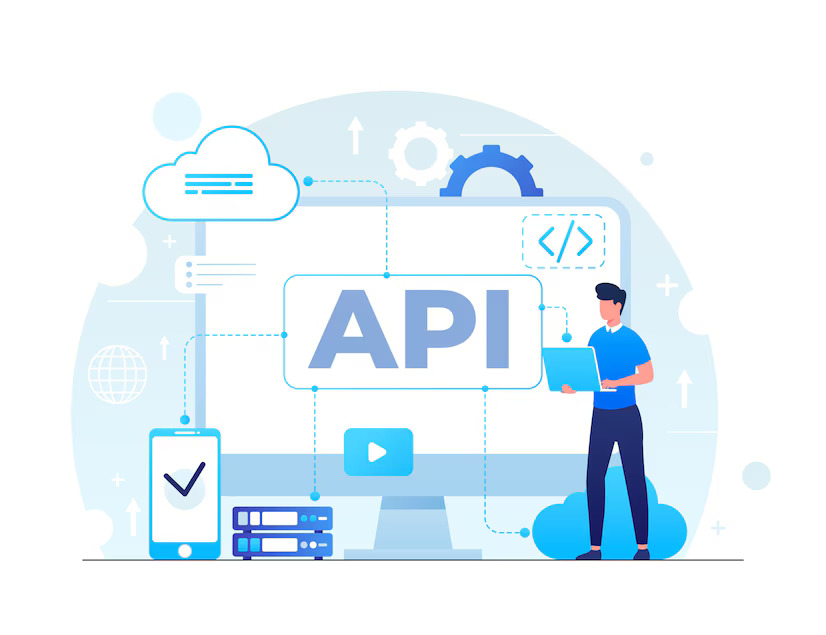
API stands for Application Programming Interface.
In simple terms, it’s a bridge that lets two different software programs talk to each other.
Think of it like a waiter in a restaurant — you (the user) tell the waiter what you want, the waiter communicates with the kitchen (the server), and then delivers your food (the data) back to you.
Why Are APIs Important in Web Development?
APIs allow you to:
- Integrate third-party services easily
- Save time by using pre-built functionalities
- Create a more dynamic and user-friendly experience
- Keep your website scalable and efficient
In fact, understanding the role of web development in SEO and building websites that rank often hinges on leveraging powerful APIs for better performance and speed.
Types of APIs Web Developers Commonly Use
1. REST APIs
The most popular type — easy to use, lightweight, and based on HTTP.
2. SOAP APIs
More secure but heavier. Typically used in enterprise-level systems.
3. GraphQL APIs
Newer and more flexible than REST. Allows you to request exactly the data you need.
4. Webhooks
Real-time notifications from one app to another. Think PayPal pinging your system when a payment is completed.
How APIs Work: Step-by-Step
- Client sends a request: You click a button or submit a form.
- API processes the request: Communicates with the server.
- Server responds: Returns the requested information.
- Client processes the response: Displays data or performs an action.
It’s a full conversation happening at lightning speed behind the scenes!
How to Find APIs for Your Web Development Projects
- Public API directories (like RapidAPI, ProgrammableWeb)
- Official developer portals (Google, Facebook, Twitter)
- Custom internal APIs developed within organizations
And if you’re working with modern platforms like WordPress, you’ll find it helpful to explore more about unlimited WordPress development and everything you need to know.
Integrating APIs: Tools You’ll Need
- Postman for testing APIs
- cURL for command-line interactions
- Axios/Fetch API for JavaScript-based API calls
- Backend frameworks like Node.js, Django, or Laravel
Basic API Request Example
Here’s how a simple API call looks in JavaScript:
javascriptCopyEditfetch('https://api.example.com/data')
  .then(response => response.json())
  .then(data => console.log(data))
  .catch(error => console.error('Error:', error));
Boom. You’ve just fetched data from an API!
Best Practices for Using APIs in Web Development
- Secure your API keys (never expose them publicly!)
- Handle errors gracefully (users shouldn’t see cryptic messages)
- Limit API calls to avoid throttling
- Use asynchronous requests to keep your website fast and responsive
Challenges You Might Face with APIs
- Rate limits: APIs often restrict how many calls you can make.
- Authentication issues: You’ll need OAuth, API keys, or tokens.
- Versioning problems: APIs can change, breaking your app if you’re not careful.
But don’t worry — these are all manageable with practice!
Benefits of Mastering API Integration
Mastering API usage can:
- Unlock unlimited potential for creative, powerful websites
- Streamline user experiences
- Boost your value as a developer
- Open the door to exciting new technologies like AI, IoT, and blockchain integration
And as web development continues to evolve (hello unlimited web development revolution!), APIs are becoming even more critical.
How Much Should You Charge for API Integration?
Good question!
Pricing API projects depends on:
- Complexity
- Integration level
- Maintenance needs
Check out this helpful guide on how much to charge for website design — you can adapt many of the same principles for pricing API work too.
Conclusion: APIs Are Your Web Development Superpower
APIs aren’t just a trend — they are the future of web development.
If you want to build flexible, efficient, scalable websites that users love, getting comfortable with API integration is non-negotiable.
The good news? You’re already on the right path. Keep practicing, experimenting, and expanding your skills, and you’ll quickly become the kind of developer clients dream about.