
 May 29, 2026
In today’s competitive digital marketplace, creating an online store that simply looks good is no longer enough. Customers expect fast-loading pages, intuitive navigation, seamless shopping experiences, and content that helps them find exactly what they need. At the same time, search engines reward websites that provide excellent user experiences and strong technical foundations.
A successful e-commerce website balances multiple factors working together behind the scenes. Search visibility attracts visitors, a well-crafted interface keeps them engaged, and fast performance encourages them to complete purchases. When these elements align, businesses create a powerful foundation for sustainable online growth.
This guide breaks down the essential components of a high-converting online store and explains how businesses can combine performance, usability, and search optimization to maximize results.
Why Conversion Optimization Matters
Driving traffic is only part of the equation. The real challenge lies in turning visitors into paying customers.
Many businesses invest heavily in advertising and content marketing but overlook the factors that influence purchasing decisions once users arrive on their website. Small improvements in navigation, loading times, and checkout experiences can significantly increase revenue without increasing marketing spend.
A conversion-focused approach helps businesses:
- Increase sales from existing traffic
- Reduce cart abandonment
- Improve customer satisfaction
- Lower acquisition costs
- Strengthen long-term customer loyalty
The most successful online stores view every page as part of a customer journey rather than a standalone destination.
Start With a Strong Foundation
A high-performing online store begins with strategic planning.
Before selecting themes, colors, or layouts, businesses should understand their target audience, product categories, customer pain points, and buying behaviors.
Organizations looking to build an e-commerce site should focus on creating a clear architecture that supports both shoppers and search engines from the beginning.
A strong foundation helps avoid costly redesigns and technical challenges later.
Understand Customer Intent
Every visitor arrives with a specific goal.
Some are researching products, while others are ready to make a purchase immediately. Effective online stores provide content and navigation paths that support every stage of the buying process.
Understanding intent allows businesses to:
- Create better product categories
- Develop useful supporting content
- Improve product descriptions
- Streamline navigation structures
The easier it is for users to find what they need, the more likely they are to convert.
Create a User Experience That Encourages Action
Modern consumers make judgments within seconds of landing on a website.
Visual presentation, trust signals, navigation, and usability all influence whether visitors continue exploring or leave.
An effective layout guides users naturally toward desired actions while minimizing friction throughout the shopping journey.
Simplify Navigation
Complicated menus create confusion and increase bounce rates.
Categories should be clearly labeled and organized logically. Customers should always know where they are and how to move to the next step.
Best practices include:
- Clear primary navigation
- Well-structured product categories
- Search functionality
- Breadcrumb navigation
- Consistent page layouts
Simple navigation reduces cognitive load and helps customers shop confidently.
Focus on Product Discovery
Customers cannot purchase products they cannot find.
Effective product discovery includes filtering options, sorting tools, intelligent search features, and personalized recommendations.
The goal is to shorten the distance between product interest and purchase.
Build Trust Throughout the Journey
Trust remains one of the strongest drivers of online conversions.
Businesses should prominently display:
- Customer reviews
- Secure payment indicators
- Return policies
- Shipping information
- Contact details
These elements reduce uncertainty and increase buyer confidence.
Design for Clarity, Not Complexity
Many businesses assume adding more visual elements creates a better shopping experience. In reality, simplicity often performs better.
Strong visual hierarchy directs attention toward important information and calls to action.
Effective design choices include:
- Readable typography
- Consistent branding
- Adequate white space
- Clear call-to-action buttons
- Mobile-friendly layouts
Businesses seeking deeper insights can explore these ui/ux secrets that convert visitors into customers to improve customer engagement and conversion performance.
Mobile Optimization Is Essential
Mobile commerce continues to grow every year.
A poor mobile experience can quickly drive customers away, regardless of how well the desktop version performs.
Mobile optimization should prioritize:
- Responsive layouts
- Touch-friendly buttons
- Simplified checkout flows
- Fast-loading pages
- Easy-to-read content
Customers expect a smooth experience regardless of device.
The Role of Search Visibility in Revenue Growth
Organic traffic often delivers some of the highest-quality visitors because users are actively searching for products or solutions.
However, visibility does not happen by accident.
A successful search strategy requires attention to content quality, site architecture, technical performance, and user experience.
Implementing effective seo practices helps businesses attract qualified visitors who are already interested in their offerings.
Create Valuable Category and Product Content
Many online stores rely solely on manufacturer descriptions.
This approach creates duplicate content issues and limits opportunities to rank for relevant searches.
Instead, businesses should develop unique content that:
- Explains product benefits
- Addresses customer questions
- Highlights differentiators
- Provides buying guidance
Helpful content supports both users and search engines.
Optimize Site Structure
Search engines rely on clear organization to understand a website.
A logical structure improves crawlability and helps distribute authority throughout the site.
Well-organized websites typically benefit from:
- Cleaner URLs
- Better indexing
- Improved user experience
- Stronger internal linking
Strengthen Technical Performance
Technical issues can limit visibility regardless of content quality.
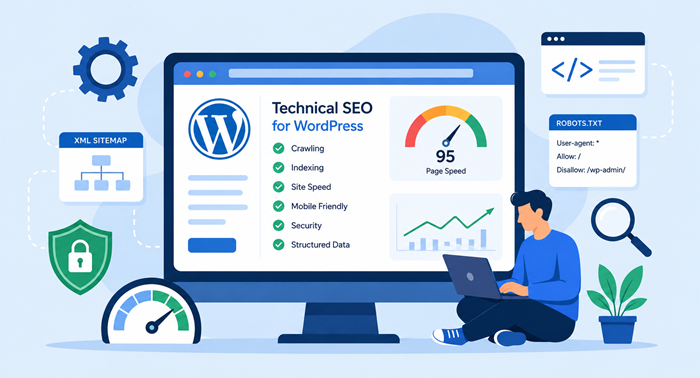
Many businesses use advanced technical seo tactics to improve indexing efficiency, page performance, and overall search presence.
Technical optimization should be an ongoing process rather than a one-time project.
Speed: The Silent Conversion Killer
Few factors impact conversions as dramatically as performance.
Visitors expect pages to load almost instantly. Delays create frustration and increase abandonment rates.
Even small improvements can produce measurable gains in revenue and engagement.
Improving web speed should be considered a core business objective rather than a technical afterthought.
Reduce Unnecessary Page Weight
Large files often slow websites significantly.
Businesses should optimize:
- Images
- Videos
- Scripts
- Fonts
- Third-party integrations
Every element should contribute meaningful value to the user experience.
Improve Server Performance
Backend infrastructure directly affects loading times.
Reliable hosting, caching systems, content delivery networks, and database optimization can dramatically improve performance across all pages.
Monitor Core Performance Metrics
Performance optimization requires ongoing measurement.
Key metrics include:
- Largest Contentful Paint
- Interaction responsiveness
- Layout stability
- Page load time
- Server response time
Regular monitoring helps identify new issues before they impact customers.
Align Search, User Experience, and Performance
Many businesses treat marketing, design, and development as separate functions.
The highest-performing stores integrate all three disciplines into a unified strategy.
When content attracts qualified visitors, interfaces guide them effectively, and pages load quickly, conversion rates naturally improve.
Successful teams continuously evaluate:
- Visitor behavior
- Search trends
- Performance metrics
- Conversion data
- Customer feedback
This approach creates a cycle of ongoing improvement.
Building for Long-Term Growth
A successful online store is never truly finished.
Consumer expectations evolve, technologies change, and competitors continually improve their offerings.
Businesses that regularly test, refine, and optimize their websites maintain stronger competitive advantages over time.
Investing in professional development, customer experience improvements, and strategic planning creates lasting benefits that extend beyond immediate sales gains.
Companies seeking scalable digital growth often partner with specialists in unlimited web design to ensure their websites continue evolving alongside business goals and customer expectations.
Conclusion
High-converting online stores are built through the careful combination of visibility, usability, and performance. Businesses that focus exclusively on one area often miss opportunities to maximize results.
By strengthening search presence, simplifying customer journeys, improving loading times, and continuously optimizing the shopping experience, organizations can create digital storefronts that attract more visitors and convert more customers.
The most successful brands understand that every click, page load, and interaction contributes to the overall buying experience. When all elements work together, growth becomes significantly easier to achieve.
Frequently Asked Questions
1. What makes an online store convert better?
A clear user journey, strong trust signals, and a frictionless checkout process improve conversions.
2. Why is page speed important for online sales?
Faster websites reduce abandonment and improve customer satisfaction.
3. How does content help an online store grow?
Helpful content attracts qualified visitors and supports purchase decisions.
4. Should online stores prioritize mobile users?
Yes, mobile shoppers represent a large portion of online purchasing activity.
5. How often should an online store be optimized?
Regular reviews and updates should be performed throughout the year.