
 October 8, 2024
Understanding technical SEO might sound like a daunting task, but think of it this way: it’s like maintaining the plumbing and electrical systems in your home. Just as you wouldn’t want your house to fall apart because of hidden issues, you need a solid technical foundation to ensure your website performs well and attracts visitors. In today’s digital age, where attention spans are short and competition is fierce, a well-optimized site is essential for standing out.
Imagine scrolling through your favorite online store only to encounter a slow-loading page or a frustratingly complex layout on your smartphone. Frustrating, right? These issues often stem from poor technical SEO. In this post, we will explore what technical SEO is and why it’s critical for your website’s performance and visibility. Additionally, we’ll dive into its components—like site speed, mobile optimization, and crawlability—illustrating how these factors contribute to your overall SEO success.
What is Technical SEO?
Technical SEO refers to optimizing your website’s infrastructure to facilitate better crawling and indexing by search engines. Unlike content-based SEO strategies that focus on the text and visuals on your site, technical SEO addresses backend elements that affect performance and user experience.
To put it simply, think of technical SEO as the framework of a building. Just as a strong framework supports a sturdy building, effective technical SEO supports your website’s performance and visibility. Without it, even the most engaging content can go unnoticed in the vast online world.
The Importance of Technical SEO
With SEO best practices evolving constantly, you must not overlook technical SEO. A well-optimized site can enhance your rankings on search engine results pages (SERPs), increase organic traffic, and improve user engagement. Here are several reasons why understanding technical SEO is essential for your website:
- Improved Crawlability: Search engines use bots to crawl websites and index content. If your site has issues that hinder this process, search engines may not index or rank your pages appropriately. A thorough technical SEO approach ensures that search engines can easily navigate your site.
- Enhanced User Experience: Technical SEO focuses on optimizing various elements of your site that contribute to user experience. Factors such as site speed, mobile responsiveness, and structured data play a significant role in how visitors interact with your website. Ultimately, a positive user experience leads to lower bounce rates and higher conversion rates.
- Increased Site Speed: Speed serves as a crucial ranking factor for search engines like Google. A slow-loading website can deter users, causing them to abandon your site. By understanding and implementing technical SEO, you can identify speed issues and rectify them, leading to better user engagement and higher rankings.
- Mobile Optimization: Given the increasing use of mobile devices for browsing, you must ensure your site is mobile-friendly. Technical SEO strategies help you optimize your site for mobile users, enhancing accessibility and improving overall user satisfaction.
- Structured Data and Rich Snippets: Technical SEO also involves implementing structured data, which helps search engines understand your content better. As a result, this can lead to rich snippets appearing in SERPs, enhancing your visibility and click-through rates.
Key Components of Technical SEO
To fully grasp the significance of technical SEO, you should explore its various components. Let’s take a closer look at some of the key elements that play a vital role in optimizing your website.
1. Site Speed
Understanding technical SEO starts with site speed. As mentioned earlier, a fast-loading website is crucial for both user experience and search engine rankings. Google has indicated that site speed serves as a ranking factor, meaning that slower sites may struggle to rank well.
To improve site speed, consider the following strategies:
- Optimize Images: Compress images to reduce their file size without sacrificing quality. By doing this, you enhance loading times.
- Minimize HTTP Requests: Reduce the number of elements on your page to decrease loading time effectively.
- Utilize Browser Caching: Allow users’ browsers to store certain files for faster loading on subsequent visits.
For more insights on optimizing your website’s speed, check out our technical SEO best practices.
2. Mobile Optimization
As the world becomes increasingly mobile, you must optimize your site for mobile users. A mobile-friendly website enhances user experience and garners favor from search engines. Here are some tips for effective mobile optimization:
- Responsive Design: Ensure your site adapts to various screen sizes and orientations seamlessly.
- Fast Loading Times: Mobile users often have slower internet connections, so optimizing for speed is crucial.
- Touchscreen Readiness: Make sure buttons and links are easy to tap on smaller screens.
To learn more about mobile optimization, explore our decoding technical SEO post.
3. Crawlability
Crawlability refers to how easily search engine bots can navigate your website. By ensuring that your site is easily crawlable, you address a key aspect of technical SEO. Here’s how to enhance crawlability:
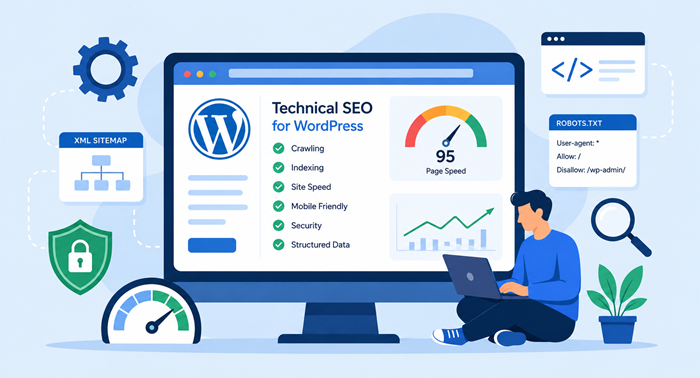
- XML Sitemap: Create and submit an XML sitemap to help search engines understand your site structure more effectively.
- Robots.txt File: Use a robots.txt file to instruct search engine bots on which pages to crawl and which to avoid.
- Internal Linking: Implement a solid internal linking strategy to guide bots and users through your site effectively.
For a deeper dive into improving crawlability, refer to our impact of technical SEO article.
4. Structured Data
Structured data provides a standardized format for conveying information about a page and classifying the content on that page. By implementing structured data, you can enhance your search listings with rich snippets, which can increase click-through rates.
Here are some structured data types to consider:
- Schema Markup: Use schema markup to help search engines understand your content better.
- Open Graph Tags: Enhance your content’s visibility on social media platforms by using Open Graph tags.
Best Practices for Technical SEO
To successfully implement technical SEO, consider the following best practices:
- Regular Audits: Conduct regular technical SEO audits to identify and fix any issues. Tools like Google Search Console and SEMrush can help you uncover potential problems.
- Stay Updated: The world of SEO constantly evolves. Stay informed about the latest trends and updates to ensure your strategies remain effective.
- Prioritize User Experience: Always keep the user experience in mind when implementing technical SEO strategies. A user-friendly site ranks better and converts more visitors.
- Leverage Analytics: Utilize analytics tools to monitor your website’s performance and identify areas for improvement. Understanding user behavior allows you to make data-driven decisions.
- Collaborate with Experts: If you’re unsure about certain technical aspects, consider collaborating with SEO professionals who can guide you in optimizing your website effectively.
Understanding Technical SEO for a Successful Website
In conclusion, understanding technical SEO is essential for anyone looking to enhance their website’s performance and visibility. By focusing on critical components such as site speed, mobile optimization, and crawlability, you can create a solid foundation that supports your overall SEO efforts. Moreover, implementing best practices in technical SEO not only improves search engine rankings but also enhances user experience, leading to greater engagement and conversion rates.
For more information and resources on technical SEO, feel free to explore our portfolio and about page. If you have any questions or need assistance with your technical SEO strategy, don’t hesitate to contact us.
By prioritizing technical SEO, you set your website up for success in the competitive digital landscape.